
Canada Tourists Warned to Secure Travel Insurance Before Winter Trips as Medical Bills, Flight Delays and Snowstorms Threaten Holiday Budgets
Canada Tourists Warned to Secure Travel Insurance Before Winter Trips as Medical Bills, Flight Delays and Snowstorms Threaten Holiday Budgets

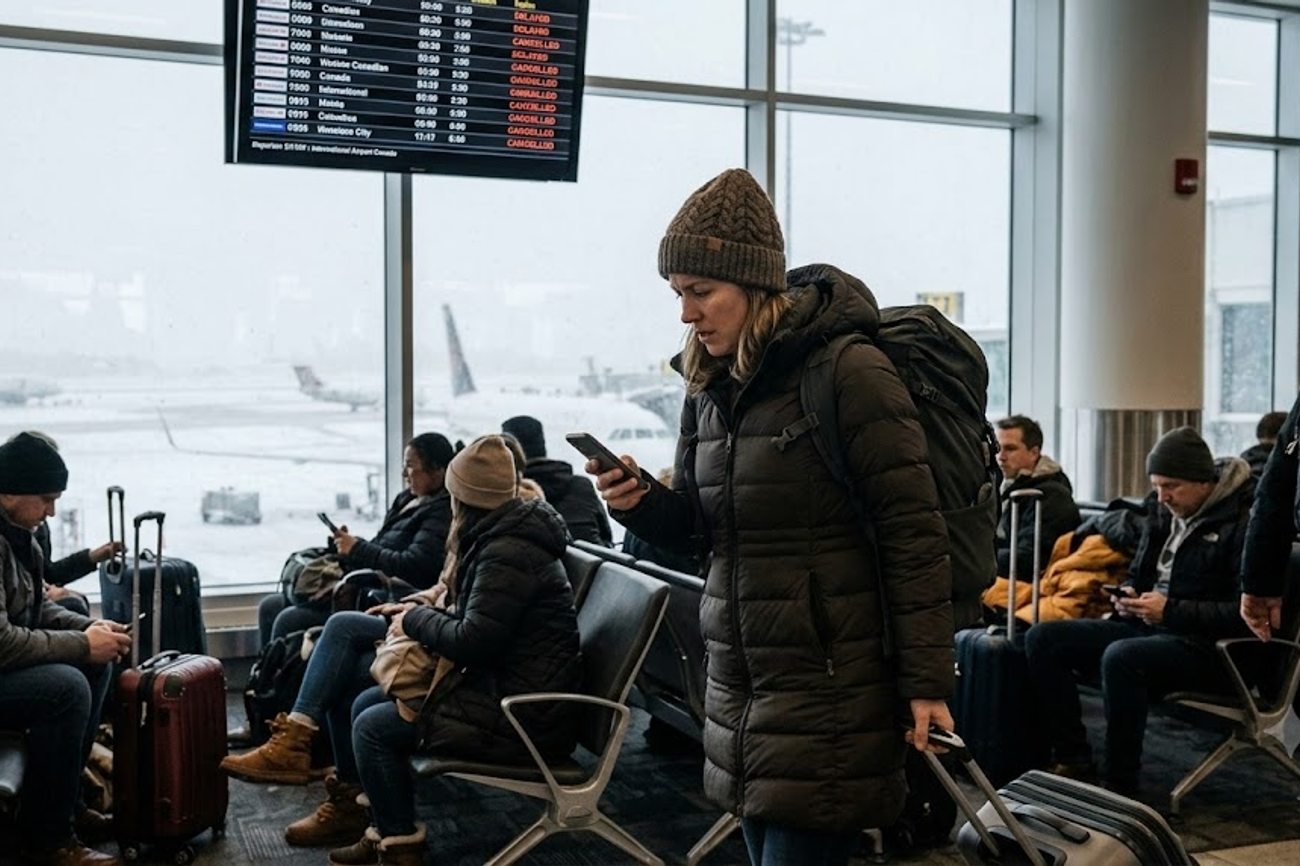
Image generated by AI
title: "Canadian Winter Travel Advisory: Provincial Healthcare Gaps and Disruption Rights" date: 2024-05-20 category: Passenger Rights tags: [Canada-Domestic-Travel, Provincial-Healthcare-Gaps, Winter-Flight-Disruptions, Air-Canada-WestJet, Canadian-Passenger-Protection-Regulations]
Imagine a family from Toronto landing in Calgary for a ski trip to Banff, only to have their return flight cancelled due to a sudden Alberta blizzard. While they might assume their OHIP coverage and airline ticket protect them, they soon discover that a ski slope injury requires an air ambulance transfer—a cost that provincial health plans often leave entirely to the passenger. This scenario is a common trap for domestic Canadian travelers who mistake provincial residency for comprehensive national coverage.
The Hidden Risks of Domestic Canadian Winter Travel
Traveling within Canada during the winter months involves more than just packing thermal gear; it requires a strategic understanding of the fragmented nature of Canadian healthcare and the volatility of winter aviation. Many travelers operate under the misconception that their provincial health insurance follows them seamlessly across provincial borders. In reality, while basic emergency medical care is typically covered through reciprocal agreements between provinces, significant financial gaps exist.
The most dangerous blind spot is the cost of emergency transportation. Provincial plans, such as Ontario's OHIP, frequently exclude the costs associated with ambulance services or specialized air ambulance transfers when a patient is treated outside their home province. In the rugged terrain of the Rockies or the remote coasts of British Columbia, these costs can escalate into the tens of thousands of dollars. Furthermore, prescription drugs obtained outside of a hospital setting while traveling in another province are often not covered, leaving the traveler to pay out-of-pocket for essential medications.
Beyond medical risks, the Canadian winter creates a high-probability environment for systemic transportation failure. Heavy snowfall, freezing rain, and extreme temperature drops frequently lead to ground stops at major hubs. When a flight is cancelled or a connection is missed, the financial burden of overnight accommodation and unplanned transportation often falls on the passenger unless they have specific travel insurance or the airline is legally mandated to provide assistance.
High-Risk Winter Routes and Destinations
Certain Canadian destinations present specific risk profiles that travelers must account for when planning their protection and rebooking strategies:
- Banff and Lake Louise (Alberta): High risk for sports-related injuries (skiing/snowboarding) and weather-induced airport closures in Calgary. These routes often require specialized medical evacuation.
- Quebec City (Quebec): High susceptibility to heavy snowfall and freezing temperatures that disrupt regional flight schedules and ground transport.
- Tofino (British Columbia): Vulnerable to Pacific coastal storms that can cause sudden cancellations of regional flights and ferry disruptions.
- Ottawa (Ontario): A hub for family travel where domestic flight disruptions can lead to significant missed connection costs for those traveling from Western Canada.
Your Rights as a Passenger
When facing disruptions on domestic Canadian flights, your primary legal shield is the Air Passenger Protection Regulations (APPR). It is essential to distinguish between "controllable" and "non-controllable" events, as this determines your entitlement to compensation.
1. Flight Cancellations and Delays Under the APPR, if a flight is cancelled or delayed for reasons within the airline's control (e.g., crew scheduling or aircraft maintenance), the airline must provide:
- Rebooking: A seat on the next available flight to your destination. If the airline cannot rebook you on their own flights within 9 hours of the original departure, they may be required to book you on a competitor's flight.
- Standards of Treatment: Food and drink in reasonable quantities, and access to communication (Wi-Fi/phone). If the delay requires an overnight stay, the airline must provide hotel accommodation and transportation to the hotel.
- Monetary Compensation: Depending on the size of the airline and the length of the delay, passengers may be entitled to compensation ranging from $400 to $1,000 CAD.
2. The "Weather" Loophole Airlines frequently categorize winter disruptions as "safety-related" or "weather-related," which are deemed non-controllable. In these instances, the airline is not required to pay monetary compensation, though they must still assist you in rebooking your travel. To verify if a delay was truly weather-related, passengers should use FlightAware or FlightRadar24 to check if other airlines were operating normally from the same airport.
3. Refund Rights If a flight is cancelled and the airline cannot provide a reasonable alternative, you are entitled to a full refund of the unused portion of your ticket. You can find more detailed guidance on these requirements through the Canadian Transportation Agency.
Rebooking Strategy and Alternatives
When a winter storm hits, the queue at the airport service desk is often the slowest path to a solution. Use these professional tactics to secure your journey:
The Digital First Approach Immediately attempt to rebook via the airline's mobile app or website. These systems often update faster than the agents on the ground. If the app fails, check the airline's official flight status page to see if a new flight has already been assigned to you.
Competitor Cross-Checking If your primary carrier (e.g., Air Canada or WestJet) is grounded, identify alternative carriers serving the same city pair. For example, if a flight to Vancouver is cancelled, check for regional carriers or alternative routes through hubs like Winnipeg or Edmonton. If the delay is "controllable," demand that the airline book you on one of these competitors.
Refund vs. Rebooking Trade-off If the airline offers a voucher, be cautious. Vouchers often have expiration dates and restrictive terms. Under APPR, you are generally entitled to a cash refund if the airline cannot get you to your destination within a reasonable window. If you have comprehensive travel insurance, it may be more beneficial to take the refund and book a new flight independently, then claim the price difference from your insurer.
Medical Evacuation Planning For those heading to the Rockies or the coast, ensure your insurance policy specifically includes "Emergency Medical Evacuation." A standard provincial health card will not cover a helicopter transport from a mountain slope to a city hospital. Review your policy's "Winter Sports" rider to ensure activities like snowboarding or backcountry skiing are not listed as exclusions.
FAQ: Canadian Winter Travel [2024]
Am I entitled to compensation for a weather-related cancellation? Generally, no. Weather is considered a non-controllable event under APPR. However, the airline must still rebook you on the next available flight and provide basic standards of treatment if the delay is significant.
Does my provincial health card cover me in another province? It covers basic emergency physician and hospital services. It typically does not cover ambulance fees, air ambulance transfers, or prescription drugs purchased outside a hospital.
What should I do if the airline refuses to provide a hotel during a storm? If the delay is controllable, they must provide it. If it is weather-related, they are not legally required to, which is why private travel insurance is vital for winter trips.
Can I get a refund if I choose not to take the rebooked flight? Yes. If the airline changes your flight time significantly or cancels it, you have the right to a full refund of the ticket price rather than accepting a rebooked flight or voucher.
Secure your coverage before the first snowfall, because the cost of a gap in insurance is far higher than the premium of a policy.
Related Travel Guides
- Melbourne Ignites a New Billion Transport Revolution as Giant Surprise Redraw Australia’s Future of Travel
- Bosnia and Herzegovina Sees a Foreign Tourism Drop in 2026 But the Numbers Hide an Unexpected Twist
- Kentucky Rock Climbing And Water Sports Travel Boom Delivers Unmatched Adrenaline Across Scenic Lands, Find Out Now
Disclaimer
This article is for informational and educational purposes only. It does not constitute legal, financial, or professional advice. While we strive to provide accurate and up-to-date information, travel policies, regulations, and conditions change rapidly. Always verify information with official sources before making travel decisions. Nomad Lawyer makes no representations about the accuracy, reliability, completeness, or suitability of the information provided. Readers should consult qualified professionals for advice specific to their circumstances. The views expressed in this article are those of the author and do not necessarily reflect the views of Nomad Lawyer.
Kunal K Choudhary
Co-Founder & Contributor
A passionate traveller and tech enthusiast. Kunal contributes to the vision and growth of Nomad Lawyer, bringing fresh perspectives and driving the community forward.
Learn more about our team →