
Canada Camping Warmest Saltwater Beach Opens Spring 2026
Canada's warmest saltwater beach emerges as the unexpected coastal camping destination in 2026, challenging the nation's cold-climate stereotype with pristine sandy shores and year-round appeal.

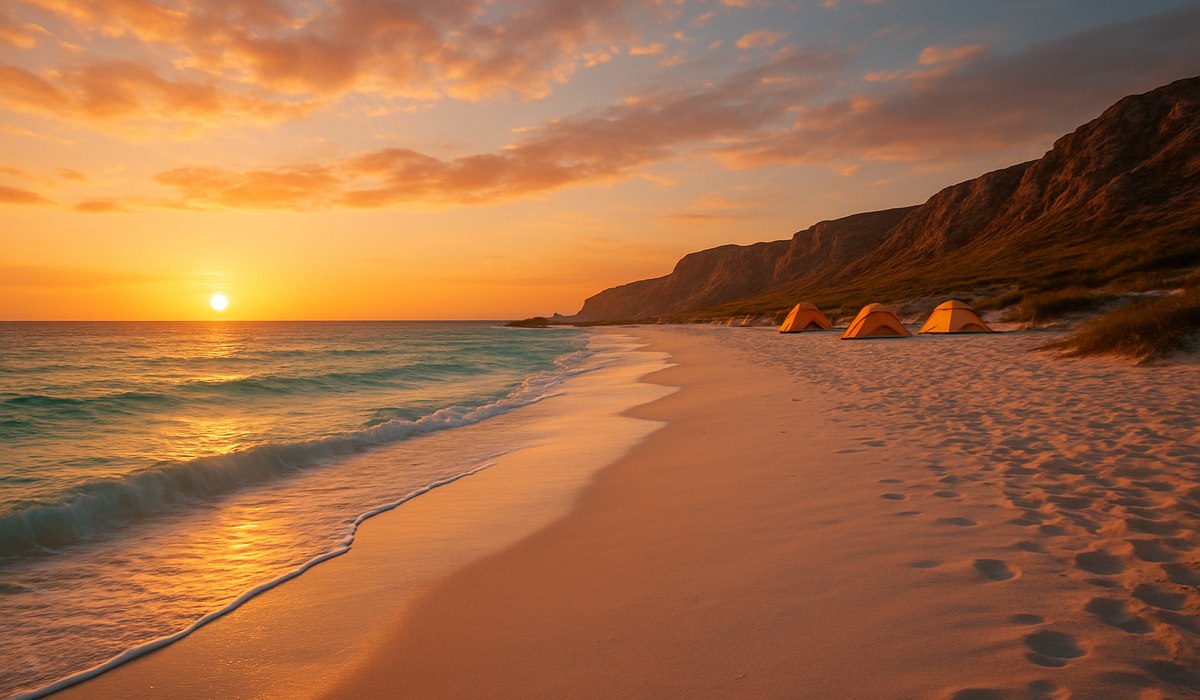
Image generated by AI
Canada's Warmest Saltwater Beach Redefines Coastal Travel Expectations
While Canada's reputation centers on snow-capped mountains and frigid winters, a remarkable saltwater beach destination is reshaping how travelers view the nation's coastal potential. This pristine haven combines temperate waters with expansive sandy shores, creating an unexpected paradise for beach camping enthusiasts and sun-seekers alike. The region's emergence as a premier Canada camping warmest destination marks a significant shift in how North American beach lovers prioritize their vacation planning.
Why This Beach Stands Out in Canada
Canada's warmest saltwater beach defies conventional wisdom about northern geography. Unlike Atlantic provinces where frigid currents dominate, this location benefits from unique oceanographic conditions that maintain surprisingly mild water temperatures throughout extended seasons. The perfect spot attracts visitors seeking genuine coastal camping experiences without sacrificing comfort or accessibility.
The beach's extensive sandy expanse accommodates both day-trippers and overnight campers with equal ease. Visitors discover facilities ranging from primitive camping to fully-serviced RV sites, ensuring accommodations suit every preference level. The backdrop combines dramatic headlands with sheltered coves, offering photographers and nature enthusiasts unlimited creative opportunities.
Local tourism boards report increased visitation as word spreads about this underrated saltwater destination. The beach's popularity stems from its rare combination of warmth, accessibility, and maintained infrastructure that distinguishes it from more remote Canadian coastal areas. Visit the official provincial tourism board for comprehensive visitor information.
Best Time to Visit
Spring through early autumn represents peak season for Canada camping warmest beach experiences. April through June temperatures range from 15–18°C (59–64°F), with water beginning its seasonal warming cycle. July and August offer optimal conditions, with air temperatures reaching 22–25°C (72–77°F) and water temperatures becoming genuinely inviting for extended swimming sessions.
September provides an often-overlooked window combining mild weather with significantly reduced crowds. Late-season visitors benefit from calmer seas and clearer skies, though water temperatures begin declining toward month's end. Winter camping remains possible for experienced outdoor enthusiasts, though water temperatures dip below 5°C (41°F).
Precipitation patterns typically peak in autumn, making late-spring and summer the driest periods for camping activities. Advance booking becomes essential during July and August, as campsites fill rapidly with families and couples seeking the perfect spot for memorable vacations.
How to Get There
Ground transportation offers the most flexible approach to reaching Canada's warmest saltwater beach. Major highways connect regional airports to the coastal destination within 2–4 hours, depending on specific origin points. Rental car services operate from primary transit hubs, providing unlimited flexibility for exploring surrounding attractions.
Public transit alternatives exist through regional bus services, though travel times extend considerably compared to private vehicles. Seasonal shuttle services operate during peak tourism months, specifically targeting beach-bound travelers. Check TripAdvisor's transportation guides for current route information and booking options.
Direct access to beachfront camping areas simplifies overnight logistics considerably. Most facilities maintain dedicated parking areas adjacent to tent zones, eliminating lengthy beach carry requirements. Seasonal road conditions rarely affect summer access, though spring travelers should verify weather-related closures beforehand.
Camping and Accommodation Options
The destination supports diverse lodging preferences across multiple price points. Oceanfront camping areas feature individual sites with direct beach access, ideal for those prioritizing proximity to saltwater environments. These premium locations often include fire pits, picnic tables, and freshwater spigots within walking distance.
RV-dedicated zones accommodate large vehicles with full hookup capabilities, including electrical service, water access, and waste disposal facilities. These sites attract families traveling with equipped mobile homes, offering comfort levels approaching traditional accommodations. Reservations typically open 3–6 months in advance for peak-season availability.
Alternative options include nearby cabin rentals and cottage accommodations for travelers preferring structure over canvas. These facilities range from rustic beach shelters to contemporary residences with modern amenities. Mixed-accommodation options allow flexible multi-day trips combining different lodging styles.
Activities Beyond Swimming and Sunbathing
The surrounding landscape offers abundant recreation extending far beyond traditional beach activities. Coastal hiking trails wind through protected ecosystems, revealing hidden coves and geological formations. Guided nature walks identify native plant species and marine wildlife patterns throughout seasonal cycles.
Rock pools exposed during low tide host fascinating tide-pool ecosystems teeming with starfish, anemones, and small crustaceans. These natural aquariums provide endless exploration opportunities for children and curious adults alike. Optimal tide-pool timing coordinates with lunar phases, with lowest tides occurring during new and full moons.
Photography opportunities abound across landscape and seascape genres. Sunrise and sunset sessions deliver spectacular color palettes across sandy beaches and rocky outcrops. Storm systems create dramatic cloud formations and powerful wave action, satisfying adventure sports enthusiasts seeking dynamic coastal energy.
Wildlife observation opportunities include marine bird identification and occasional seal sightings in deeper waters. Binocular-equipped visitors frequently document cormorant colonies and migratory waterfowl during seasonal transitions. Local naturalist groups offer interpretive programs explaining coastal ecology and conservation initiatives.
Canada Camping Warmest Beach: Key Facts and Data
| Aspect | Details |
|---|---|
| Peak Water Temperature | 18–20°C (64–68°F) in August |
| Annual Average Visitors | 50,000+ during summer season |
| Camping Season | April through October (year-round possible) |
| Closest Major City | Within 200 km (124 miles) |
| Beach Length | 3+ kilometers of continuous sandy shoreline |
| Facility Types | Tent sites, RV zones, cabin rentals, day-use areas |
| Average Summer Air Temp | 22–25°C (72–77°F) |
| Campsite Reservation Window | 3–6 months in advance recommended |
| Best Photography Hours | Sunrise (6:00–7:30 AM) and sunset (8:30–9:30 PM) |
| Wildlife Abundance | Marine birds, seals, tide-pool organisms |
What This Means for Travelers
Canada's warmest saltwater beach emergence as a premier coastal destination creates tangible opportunities for 2026 vacation planning. Consider these actionable takeaways:
-
Book Early: Peak-season campsites fill within weeks of reservation windows opening. Set calendar reminders for facility-specific booking dates to secure optimal oceanfront locations. Second-choice backup sites ensure confirmed accommodations if preferred dates become unavailable.
-
Plan Multi-Day Visits: Single-day visits barely scratch the surface of available activities. Three-to-five-day camping trips maximize exploration of coastal trails, tide pools, and wildlife observation opportunities while minimizing total travel costs.
-
Coordinate Weather Monitoring: Spring trips require flexible schedules accommodating potential storm systems. Weather-tracking apps enable real-time condition monitoring, allowing schedule adjustments that maximize favorable conditions.
-
Prepare Appropriate Gear: Despite relative warmth, ocean proximity demands weather-resistant camping equipment. Pack layered clothing for significant temperature variations between day highs and nighttime lows, particularly during shoulder seasons.
-
Verify Facility Services: Confirm specific campsite amenities before arrival, as service levels vary considerably across accommodation categories. Advance knowledge prevents disappointing discoveries upon check-in.
Frequently Asked Questions
Is Canada's warmest saltwater beach suitable for winter camping? Winter camping remains possible for experienced outdoor enthusiasts, though water temperatures drop below 5°C (41°F). Air temperatures frequently hover near freezing, making proper cold-weather gear essential. Most facility services reduce availability during winter months, requiring advance arrangement confirmation.
What freshwater sources support camping activities at the beach? Designated freshwater
Disclaimer
This article is for informational and educational purposes only. It does not constitute legal, financial, or professional advice. While we strive to provide accurate and up-to-date information, travel policies, regulations, and conditions change rapidly. Always verify information with official sources before making travel decisions. Nomad Lawyer makes no representations about the accuracy, reliability, completeness, or suitability of the information provided. Readers should consult qualified professionals for advice specific to their circumstances. The views expressed in this article are those of the author and do not necessarily reflect the views of Nomad Lawyer.
Kunal K Choudhary
Co-Founder & Contributor
A passionate traveller and tech enthusiast. Kunal contributes to the vision and growth of Nomad Lawyer, bringing fresh perspectives and driving the community forward.
Learn more about our team →