
Tourism Cambodia Vietnam Surges: New Partnership Unlocks Regional Growth
Cambodia and Vietnam formalize expanded trade and tourism partnership in March 2026, driving Southeast Asian connectivity and economic growth. Cross-border initiatives reshape tourism cambodia vietnam landscape.

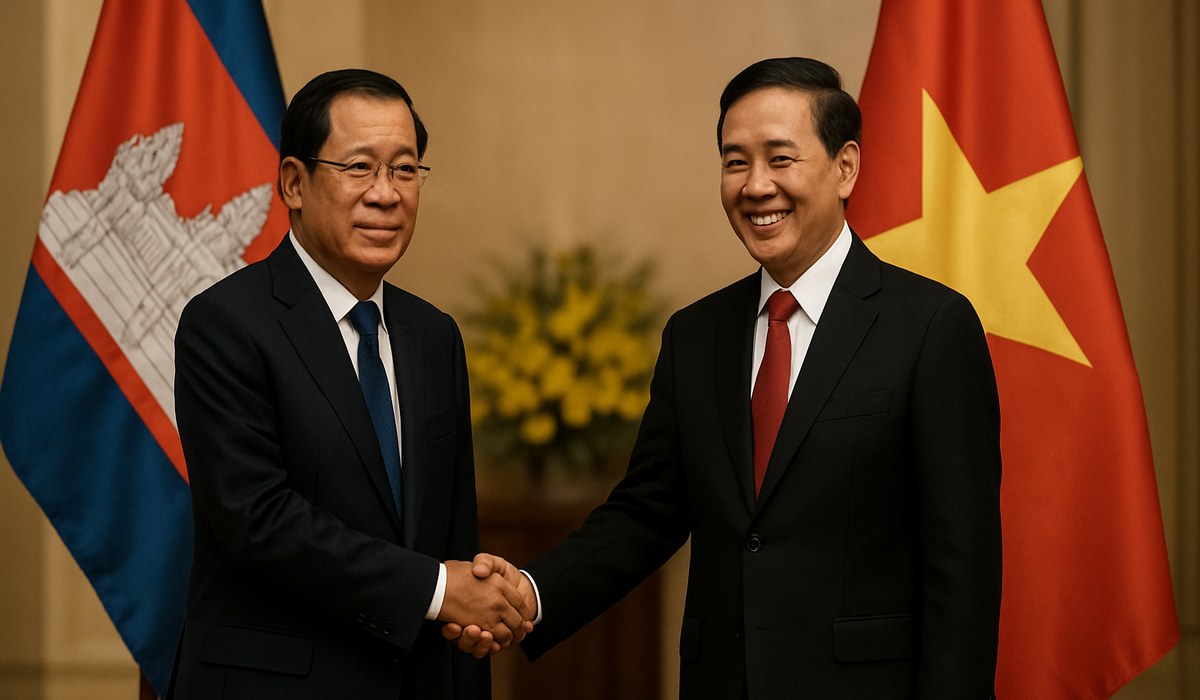
Image generated by AI
Cambodia and Vietnam Forge Strategic Alliance to Accelerate Tourism Growth
Cambodia and Vietnam have unveiled an ambitious partnership framework designed to strengthen bilateral trade ties and accelerate tourism development across Southeast Asia. The March 2026 agreement marks a pivotal moment for tourism cambodia vietnam, establishing coordinated strategies for infrastructure development, visa facilitation, and cross-border connectivity. This collaboration signals renewed commitment from both nations to position themselves as a unified tourism destination within the broader ASEAN growth narrative.
The partnership emerges as travel demand surges across Asia following post-pandemic recovery. Both governments recognize that coordinated marketing, streamlined border procedures, and joint investment in hospitality infrastructure will drive visitor numbers and regional economic expansion.
Cross-Border Tourism Infrastructure Expansion Accelerates Growth
Cross-border tourism initiatives now include dedicated transport corridors and modernized checkpoint facilities at major entry points. Cambodia and Vietnam have committed to reducing border crossing times through automated systems and joint training programs for immigration officials. The Ho Chi Minh City–Phnom Penh corridor receives priority funding for highway improvements and rail connectivity upgrades.
New visa arrangements simplify entry for international travelers exploring both nations consecutively. Bilateral agreements eliminate redundant documentation requirements, enabling seamless multi-country itineraries. Infrastructure investment totals exceed $500 million over three years, targeting airport expansions, highway upgrades, and waterway transport development. Learn more about Vietnam's tourism infrastructure and Cambodia's parallel initiatives through official channels.
Regional Economic Connectivity Strengthens ASEAN Position
The partnership reinforces Southeast Asia's competitive standing within global tourism markets. Cambodia and Vietnam collectively attract over 15 million annual visitors, generating substantial foreign exchange revenues that fund broader regional development. Enhanced connectivity establishes supply chain efficiencies for hospitality sectors across both nations.
Tourism cambodia vietnam expansion directly supports 280,000+ hospitality workers and related service providers. Economic modeling projects 22% visitor growth within 36 months following infrastructure completion. Trade agreements reduce tariffs on tourism-related goods and services, lowering operational costs for hotels, restaurants, and transportation providers. Regional tourism boards coordinate marketing campaigns through ASEAN Tourism Association channels, amplifying reach across source markets in East Asia and Europe.
Cruise Line Routes and Maritime Access Enhanced
Several international cruise operators have announced expanded itineraries featuring Vietnamese and Cambodian ports. Phnom Penh and Ho Chi Minh City ports receive berth improvements facilitating larger vessel operations. Cruise lines including Cruise Critic's featured Asia operators report booking surges for Southeast Asian itineraries featuring combined Vietnam-Cambodia voyages.
Port modernization projects include passenger terminal expansions, improved cargo handling facilities, and enhanced security infrastructure. These upgrades position Cambodian and Vietnamese ports as primary regional hubs for cruise tourism and maritime commerce.
Visa Facilitation and Entry Point Modernization
Tourism cambodia vietnam now benefits from simplified visa procedures implemented through bilateral agreements. Digital visa platforms reduce processing times from five days to 24 hours for standard tourist applications. Participating countries include Australia, Canada, Japan, South Korea, and most EU nations through reciprocal arrangements.
Multiple entry points—including Phnom Penh International Airport, Siem Reap, and Tan Son Nhat Airport in Ho Chi Minh City—feature expedited processing lanes. Mobile visa pre-approval systems enable travelers to complete documentation via smartphone applications before arrival.
Regional Investment and Infrastructure Timeline
| Development Sector | Investment Amount | Target Completion | Expected Impact |
|---|---|---|---|
| Highway Improvements (Ho Chi Minh–Phnom Penh) | $180 million | Q4 2027 | Reduced travel time by 35% |
| Phnom Penh Port Expansion | $95 million | Q2 2026 | 40% capacity increase |
| Airport Terminal Upgrades (Siem Reap) | $75 million | Q3 2026 | Passenger capacity +50% |
| River Transport Corridor Development | $85 million | Q1 2028 | Cross-border cruise accessibility |
| Border Checkpoint Automation | $55 million | Q2 2026 | Crossing times under 20 minutes |
| Hospitality Training Centers | $40 million | Ongoing | 8,500 skilled workers annually |
What This Means for Travelers
Tourists planning Southeast Asian itineraries gain substantial advantages from this partnership:
-
Streamlined Border Crossings: Expect average processing times under 20 minutes at major checkpoints by mid-2026, enabling day trips across borders without extended delays.
-
Unified Tourism Marketing: Joint destination campaigns highlight combined itineraries. Package deals bundling Cambodian temple sites with Vietnamese coastal experiences become increasingly available through major tour operators.
-
Infrastructure Improvements: Highway expansions reduce Ho Chi Minh City to Phnom Penh travel time from 6 hours to under 4 hours, making extended multi-destination trips more feasible.
-
Accommodation Expansion: Partnership incentives trigger new hotel construction in secondary cities. Budget and mid-range options become more plentiful outside Siem Reap and Ho Chi Minh City.
-
Enhanced Cruise Options: International cruise lines offering combined Vietnam-Cambodia voyages introduce new shore excursion possibilities and extended itineraries through Southeast Asian waters.
-
Digital Integration: Mobile applications consolidate transportation bookings, accommodation reservations, and attraction tickets across both nations through partnership platforms.
For detailed regional travel planning, explore comprehensive Cambodia guides and Vietnam destination resources.
Frequently Asked Questions About Tourism Cambodia Vietnam Partnership
How does the Cambodia-Vietnam partnership benefit tourism cambodia vietnam travelers? The partnership reduces border crossing times, simplifies visa requirements, and improves infrastructure connecting major tourist sites. Travelers can now plan seamless multi-country itineraries without redundant documentation or extended delays. Highway improvements cut travel time between Ho Chi Minh City and Phnom Penh by 33%, enabling more efficient touring schedules. Direct cruise routes now feature both nations within single voyages.
When will new tourism infrastructure be operational for visitors? Major projects complete progressively through 2028. Border checkpoint automation launches by June 2026, highway improvements finish in December 2027, and port expansions activate by March 2026. Travelers experience incremental improvements starting immediately, with full benefits realized by 2027.
Which airports benefit most from tourism cambodia vietnam partnership developments? Siem Reap International Airport receives the largest expansion, with terminal capacity increasing 50% by September 2026. Phnom Penh International Airport and Tan Son Nhat (Ho Chi Minh City) both undergo modernization. These upgrades reduce connection times and improve passenger processing efficiency across all three hubs.
What visa arrangements apply under the new tourism cambodia vietnam framework? Digital visa systems now process tourist visas in 24 hours for most Western nationalities. E-visa platforms allow pre-arrival application via mobile devices. Visa-free entry extends to several ASEAN nations. Travelers should verify current eligibility through official government portals before departure.
Related Travel Guides
Complete Vietnam Travel Itinerary: Ho Chi Minh City to Hanoi
Disclaimer
This article is for informational and educational purposes only. It does not constitute legal, financial, or professional advice. While we strive to provide accurate and up-to-date information, travel policies, regulations, and conditions change rapidly. Always verify information with official sources before making travel decisions. Nomad Lawyer makes no representations about the accuracy, reliability, completeness, or suitability of the information provided. Readers should consult qualified professionals for advice specific to their circumstances. The views expressed in this article are those of the author and do not necessarily reflect the views of Nomad Lawyer.
Raushan Kumar
Founder & Lead Developer
Full-stack developer with 11+ years of experience and a passionate traveller. Raushan built Nomad Lawyer from the ground up with a vision to create the best travel and law experience on the web.
Learn more about our team →