
Budva Riviera Sets New Tourism Records
Budva Riviera Sets New Tourism Records

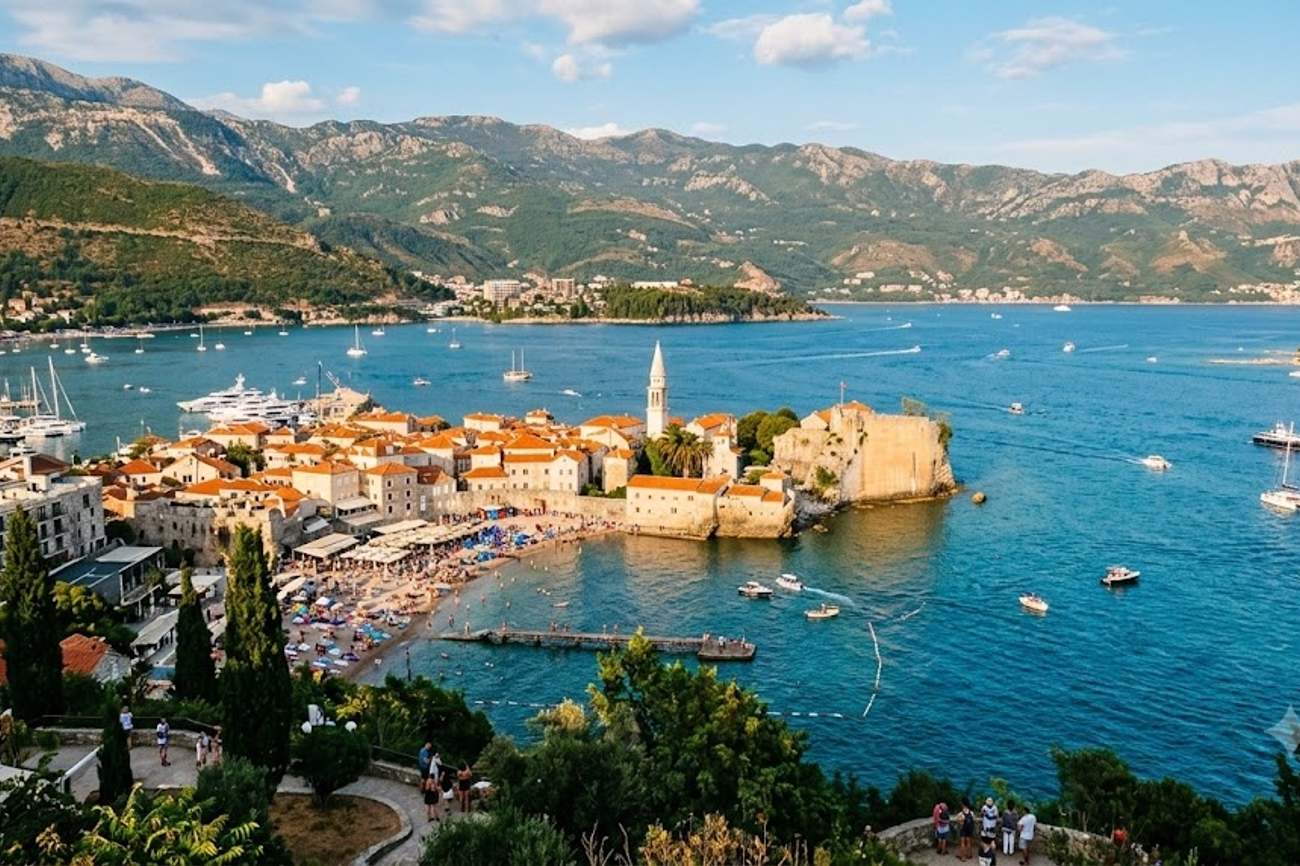
Image generated by AI
815,916 international visitors descended upon the Budva Riviera during the first eight months of 2026, signaling a profound shift in the Adriatic’s tourism equilibrium. This surge represents a growth rate between 17% and 20% compared to the same period in the previous year, pushing the region into a new era of high-volume international demand.
The Diversification of the Adriatic Corridor
The recent performance data from the Tourist Organisation of the Municipality of Budva reveals a destination aggressively pivoting away from its historical reliance on a few dominant source markets. While the Budva Riviera has long been a stronghold for regional Balkan travel, the 2026 figures indicate a strategic broadening of its global footprint, with arrivals recorded from 205 different nations.
This expansion is not merely a matter of volume but of geographic distribution. The traditional dominance of neighboring markets is being complemented by a sharp uptick in Western and Central European interest. This shift suggests that Montenegro is successfully rebranding itself from a niche regional getaway into a primary European summer destination, competing directly with established hubs in Croatia and Italy.
The financial implications of this growth are evident in the local treasury. Tourism tax collections hit a record €2.47 million in the first eight months of the year, a 6% increase over the previous year. Because these taxes are tied directly to overnight stays, this figure serves as a reliable proxy for the health of the accommodation sector, encompassing everything from luxury resorts to private apartment rentals.
2026 Market Penetration and Growth Metrics
The growth is not uniform across all demographics. The data shows a stark contrast between the steady growth of traditional markets and the explosive rise of new European corridors. The most aggressive growth was seen in Poland, where visitor numbers skyrocketed by 83%.
The following data outlines the specific growth trajectories of key source markets during the first eight months of 2026:
The Budva Riviera has experienced an unprecedented surge in visitor arrivals, driven by a diversified international market and expanded cruise ship itineraries. Detailed statistics on regional growth and sustainable development goals are managed by the Montenegro Tourism Organization, which oversees the promotion of the coast's luxury infrastructure.
| Source Market | Growth Percentage | Market Status |
|---|---|---|
| Poland | 83% | High-Growth Emerging |
| Italy | 59% | Strengthening Established |
| Netherlands | 51% | High-Growth Emerging |
| Russia | 34% | Core Market Expansion |
| United Kingdom | 25% | Steady Growth |
| Serbia | 19% | Stable Core Market |
The continued strength of the Serbian market is bolstered by the ease of land-based transit, allowing for flexible, short-term coastal breaks. Meanwhile, the 34% increase in Russian arrivals confirms that Russia remains a pillar of the Riviera’s tourism economy, despite broader geopolitical volatility.
Expert Analysis: The "Portfolio Effect" in Coastal Tourism
For travelers and investors tracking the Adriatic, the most significant takeaway is the "Portfolio Effect" now occurring in Budva. By diversifying its visitor base—moving from a heavy reliance on Serbia and Russia toward a mix that includes Poland, the UK, and the Netherlands—the Budva Riviera is effectively hedging its bets against regional economic shocks or political instability.
For the traveler booking this route, the direct consequence is a shift in the local infrastructure. When a destination sees an 83% increase in visitors from a single country like Poland, we typically see a rapid evolution in service offerings, from the introduction of new languages in hospitality to the emergence of specialized tour operators. The increase in Western European traffic often correlates with a demand for higher-end, sustainable, and culturally immersive experiences rather than just "sun and sand" packages.
The pricing pressure created by this surge is twofold. First, the record-breaking tourism tax of €2.47 million indicates a high occupancy rate, which naturally drives up the Average Daily Rate (ADR) for hotels and apartments. Second, the influx of higher-spending Western European markets typically accelerates the gentrification of coastal services, pushing the Riviera toward a more premium market positioning.
Increased passenger logistics are being handled through enhanced capacity at the primary gateway to the region. Travelers arriving via the Podgorica Airport benefit from streamlined transit options that connect the capital to the coastal resorts of Budva.
From a logistical standpoint, the integration of Budva as a hub for broader Montenegrin exploration is a calculated move to extend the "length of stay." By linking the beaches of the Riviera to the cultural heritage of Kotor and the mountainous interior, the region is attempting to transition from a seasonal beach destination to a year-round cultural destination. This strategy is essential for mitigating the "overtourism" peaks of July and August that often plague the Adriatic.
Key Takeaways
- Volume Surge: 815,916 tourists visited the Budva Riviera in the first eight months of 2026, representing a 17% to 20% year-over-year increase.
- Financial Peak: Tourism tax revenue reached a historic high of €2.47 million, reflecting a 6% increase in registered overnight stays.
- European Pivot: Poland (83%), Italy (59%), and the Netherlands (51%) are the fastest-growing source markets, reducing reliance on traditional regional visitors.
- Core Stability: Serbia and Russia remain critical markets, with Serbian arrivals growing by 19% and Russian arrivals by 34%.
- Global Reach: The destination now attracts visitors from 205 different countries, indicating a highly diversified international appeal.
FAQ: Budva Riviera 2026
Is Budva becoming too crowded for leisure travelers? With over 815,000 visitors in eight months, peak season congestion is high. To avoid crowds, travelers should utilize Budva as a base but explore the mountainous interior or smaller coastal towns like Perast during the day.
What is the best way to reach Budva from Serbia? Most Serbian visitors utilize road travel, which remains the most flexible option for shorter coastal breaks and allows for multi-stop itineraries across the Balkan region.
Are there activities in Budva beyond the beaches? Yes. The Old Town offers medieval architecture and cultural sightseeing, while the region's proximity to national parks and historic cities like Cetinje allows for a blend of coastal and mountain tourism.
How does the tourism tax work in Montenegro? The tourism tax is typically collected per person, per night, during the check-in process at hotels or registered apartments. These funds are used by the municipality to maintain local infrastructure and tourism services.
The Adriatic is no longer just a regional secret; it is becoming a diversified European powerhouse.
Tags: Budva Riviera 2026, Montenegro Tourism Statistics, Adriatic Coast Travel, Balkan Tourism Markets, Budva Municipal Tourism
Related Travel Guides
- South Africa Travel Accelerates Digital Growth as 2026 Tourism Month Showcases New Opportunities and Economic Power
- Western Cape Unleashes R7 Million Tourism Fund as New Attractions and Jobs Could Transform South Africa Travel
- Kazakhstan’s Air Astana Achieves Record 15th Best Airline Title at Prestigious 2026 World Airline Awards
Disclaimer
This article is for informational and educational purposes only. It does not constitute legal, financial, or professional advice. While we strive to provide accurate and up-to-date information, travel policies, regulations, and conditions change rapidly. Always verify information with official sources before making travel decisions. Nomad Lawyer makes no representations about the accuracy, reliability, completeness, or suitability of the information provided. Readers should consult qualified professionals for advice specific to their circumstances. The views expressed in this article are those of the author and do not necessarily reflect the views of Nomad Lawyer.
Raushan Kumar
Founder & Lead Developer
Full-stack developer with 11+ years of experience and a passionate traveller. Raushan built Nomad Lawyer from the ground up with a vision to create the best travel and law experience on the web.
Learn more about our team →