
Western Cape Unleashes R7 Million Tourism Fund as New Attractions and Jobs Could Transform South Africa Travel
Western Cape Unleashes R7 Million Tourism Fund as New Attractions and Jobs Could Transform South Africa Travel

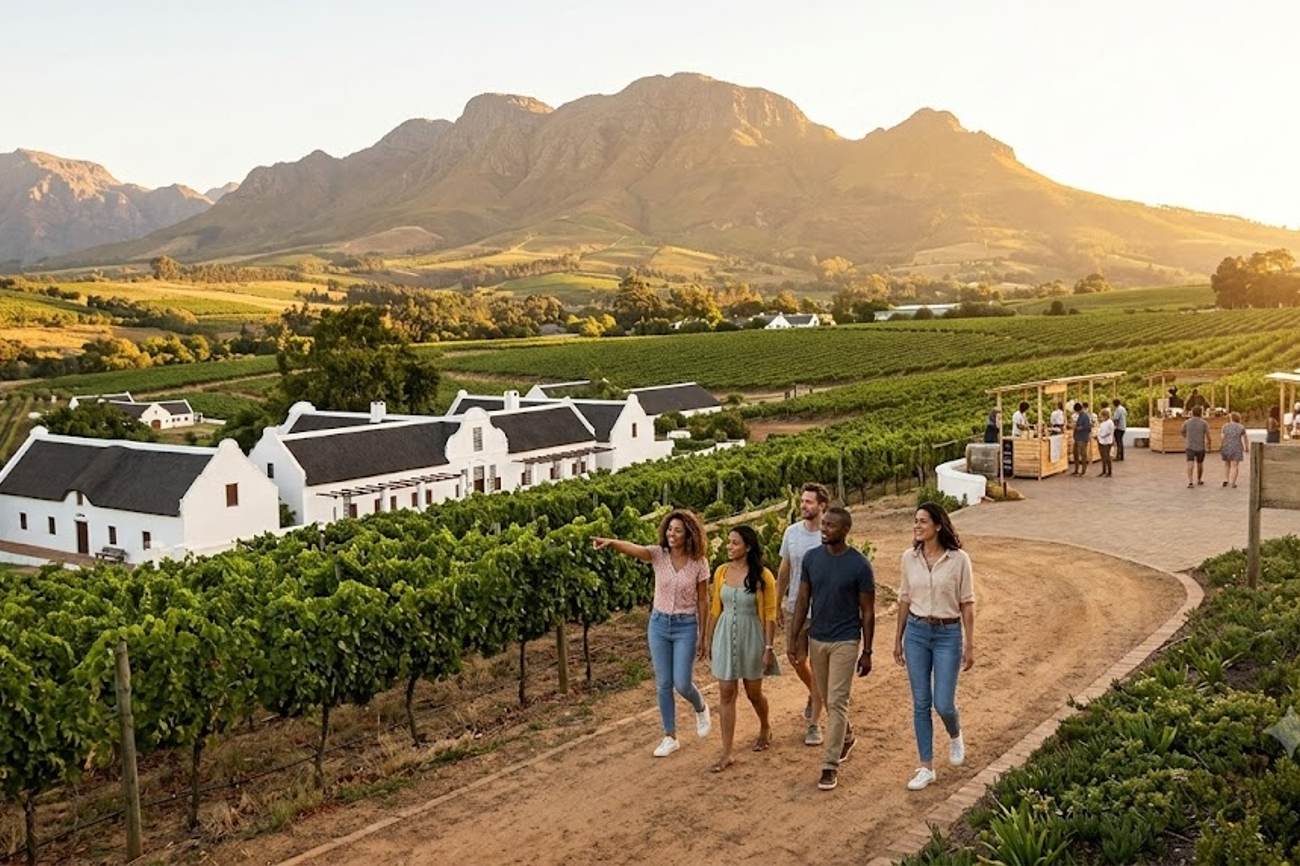
Image generated by AI
The Western Cape is currently deploying a R7 million Tourism Growth Fund specifically to shift visitor traffic away from the overcrowded city centers and into the province's "jewel towns" and rural trails. This strategic move is not just about adding new hotels or signs; it is a calculated effort to diversify the regional economy by funding farm-to-table experiences, wellness retreats, and heritage projects in villages that have historically been bypassed by the typical tourist circuit.
The Shift Toward Regional Dispersion
For years, the Western Cape has grappled with a concentration of visitors in a few high-profile hubs. Now, the Department of Economic Development and Tourism (DEDAT) is leveraging a R7 million fund for the 2026/27 financial year to break this pattern. The goal is ambitious: the province intends to double its international tourist arrivals by 2030. To achieve this without overwhelming the existing infrastructure of Cape Town, the government is incentivizing the development of "jewel towns" and rural heritage sites.
Unlike traditional grants with rigid deadlines, this fund operates on a rolling basis. Applications remain open only until the R7 million is fully allocated, creating a competitive environment where readiness is the primary currency. The funding is divided into three distinct tiers: Category A focuses on physical infrastructure, Category B on the creation of new visitor experiences, and Category C on the commercial readiness of small and medium enterprises (SMMEs). This structure ensures that a local guesthouse can get help with marketing (Category C) while a municipality can simultaneously upgrade a public trailhead (Category A).
What Makes the Western Cape Different
The region's appeal lies in its stark contrasts—from the rugged coastlines of the Garden Route to the arid beauty of the Karoo. However, the true uniqueness of the Western Cape is found in its "tourism themes," which the government is now prioritizing for funding. This includes a heavy emphasis on farm and food tourism, where the agricultural heritage of the Winelands meets modern culinary innovation.
Beyond the vineyards, there is a growing movement toward wellness escapes and village heritage. These are not the polished, corporate resorts found in other global destinations, but rather authentic, community-led initiatives. By funding "Western Cape trails," the province is betting on the rise of slow travel—encouraging visitors to spend more time in one area, hiking through indigenous fynbos or exploring the history of a small coastal hamlet, rather than ticking off a list of landmarks in a single weekend. For those planning a visit, the Western Cape Tourism portal provides a starting point, but the real magic happens when you venture into these newly funded, emerging zones.
Visitor Insider Tips
To experience the Western Cape like a local, you have to move against the grain of the peak season.
Timing and Crowds While December is the traditional peak, the "shoulder seasons" of March to May offer the best balance of weather and solitude. If you are heading to the "jewel towns" or rural trails, avoid public holidays when local domestic travel spikes. Mid-week visits to the Winelands or the Overberg region will give you a far more intimate experience with the local producers.
Local Etiquette and Rhythms In the rural villages and farm-stays, the pace is significantly slower. Do not expect the high-speed efficiency of a metropolis. A "coffee and a chat" is often the prerequisite for the best local recommendations. When visiting community-led heritage sites, it is customary to engage with the local guides; these stories are often oral histories not found in any guidebook.
Regional Specialties Move beyond the standard tasting menus. Look for "platteland" (countryside) specialties. In the interior, try traditional Cape Malay curries or slow-cooked meats. In the coastal villages, seek out "snoek" (a local predatory fish) grilled over open coals, a staple of the region's maritime culture.
Transport Hacks While rental cars are the standard, the most authentic way to see the emerging trails is by hiring a local driver or using regional shuttles in the smaller towns. This not only supports the local economy—a key goal of the R7 million fund—but also provides access to roads that GPS often ignores. For broader regional planning, refer to the South African National Parks guidelines for navigating the protected wilderness areas.
Cultural and Environmental Context
The introduction of the Tourism Growth Fund is a response to a complex tension between economic growth and heritage preservation. The Western Cape is home to some of the world's most sensitive biodiversity, including the Cape Floral Region, a UNESCO World Heritage site. The challenge for the province is to double international arrivals without degrading these fragile ecosystems.
By prioritizing "village heritage" and "wellness escapes," the government is attempting to move toward a model of regenerative tourism. Instead of building massive resorts that strain local water and power grids, the fund supports smaller, integrated projects that utilize existing infrastructure. This approach helps prevent the "museumification" of small towns, where local shops are replaced by souvenir stores. Instead, the focus is on "market readiness" for SMMEs, ensuring that the financial benefits of tourism leak directly into the pockets of the residents who maintain the culture and land.
However, the struggle remains with ageing infrastructure. The fund's Category A focus on infrastructure is a direct admission that many of the province's most beautiful corners are held back by poor road access or outdated facilities. The success of this fund will be measured not by how many tourists arrive, but by how evenly those visitors are distributed across the province's diverse geography.
FAQ: Visiting Western Cape 2025
What is the best time to visit the Western Cape? For weather and fewer crowds, visit between March and May. This period offers mild temperatures and is ideal for exploring the rural trails and "jewel towns" without the December rush.
Do I need a visa to visit South Africa? Visa requirements vary by nationality. Many passport holders from the EU, US, and UK enter visa-free for short stays. Check the official South African Department of Home Affairs or your local embassy for current regulations.
How do I get to the rural interior from Cape Town? The most flexible method is renting a 4x4 or a sturdy vehicle. For those avoiding driving, regional tour operators and private shuttles can take you to the Winelands, the Karoo, or the Garden Route.
Is it safe for solo travelers? Yes, provided you follow standard safety precautions. Stick to well-traveled routes in rural areas, avoid walking alone in city centers at night, and use reputable transport services. Local guides in "jewel towns" are excellent resources for safe navigation.
Leave the postcards behind and follow the trails where the locals actually live.
Related Travel Guides
- Kazakhstan’s Air Astana Achieves Record 15th Best Airline Title at Prestigious 2026 World Airline Awards
- Italy Follows Spain as Overtourism in Europe Spreads From Famous Cities to Mediterranean Regions
- Sri Lanka Welcomes Travelers With Seamless Travel Access Direct Routes And Dreamy Island Escapes You Cannot Miss
Disclaimer
This article is for informational and educational purposes only. It does not constitute legal, financial, or professional advice. While we strive to provide accurate and up-to-date information, travel policies, regulations, and conditions change rapidly. Always verify information with official sources before making travel decisions. Nomad Lawyer makes no representations about the accuracy, reliability, completeness, or suitability of the information provided. Readers should consult qualified professionals for advice specific to their circumstances. The views expressed in this article are those of the author and do not necessarily reflect the views of Nomad Lawyer.
Naina Thakur
Contributor & Travel Specialist
Travel enthusiast and legal writer covering visa regulations, responsible tourism, and cultural journeys across global destinations.
Learn more about our team →