
Brisbane Tourism Surge 2026: Japanese Visitors Drive Record Growth
Brisbane's tourism sector recorded $3.6 billion revenue in 2025 as Japanese travellers flock to Australia's vibrant urban destination. Extended stays surge in 2026.

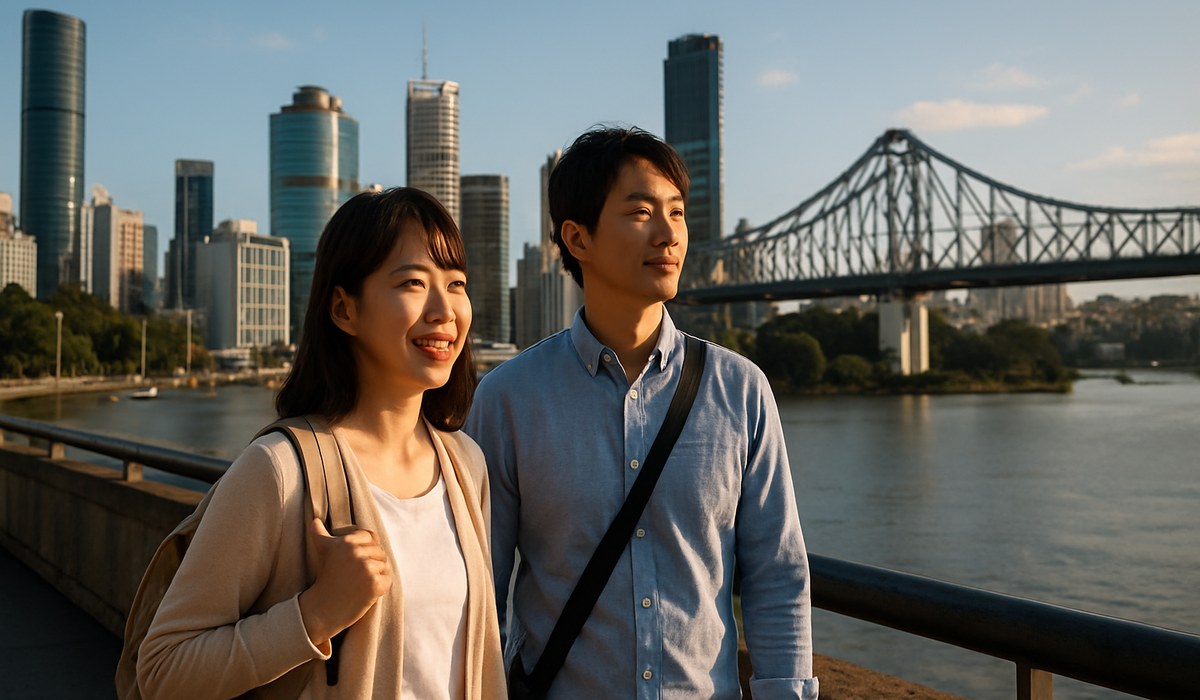
Image generated by AI
Brisbane's Tourism Records $3.6 Billion Milestone Amid Japanese Visitor Surge
Brisbane is experiencing unprecedented tourism momentum in 2026. Japanese travellers are arriving in record numbers to explore Australia's vibrant urban landscape. The city's tourism sector generated $3.6 billion in revenue during 2025, marking a transformative period for Queensland's capital. This boom reflects shifting travel patterns, with visitors increasingly seeking extended stays beyond traditional holiday timeframes.
The influx of Japanese visitors signals Brisbane's emergence as a primary gateway for Asian travellers entering Australia. Hotels, attractions, and local businesses report sustained booking growth. Extended-stay accommodation options have become priority investments across the hospitality sector.
Why Japanese Travellers Choose Brisbane for Extended Stays
Japanese visitors select Brisbane for its accessible blend of urban sophistication and subtropical leisure. The city offers direct flight connections from major Japanese hubs, reducing travel friction for extended trips. Brisbane's climate, cultural attractions, and emerging food scene appeal directly to Japanese demographic preferences.
Extended stays—spanning 3–6 weeks—now represent 34% of Japanese visitor bookings. This contrasts sharply with traditional 5–7 day holiday patterns. Visitors cite lifestyle factors: affordable long-term accommodation, visa-friendly policies, and proximity to regional Queensland destinations like the Great Barrier Reef and Fraser Island.
Brisbane's South Bank Parklands provides world-class cultural venues, while the city's vibrant café culture rivals international standards. Japanese travellers frequently pair Brisbane stays with road trips to Sunshine Coast or Gold Coast, extending their Australian experience. Learn more about Queensland's tourism infrastructure.
Best Time to Visit Brisbane for Extended Tourism
Peak season extends from March through May and September through November. These shoulder months offer mild temperatures (18–25°C) and minimal rainfall, ideal for active exploration. March 2026 specifically marks the beginning of autumn—premium timing for extended stays.
Japanese visitors avoid December–February's humidity and heat, which regularly exceeds 30°C. Winter months (June–August) attract fewer Japanese arrivals despite cooler temperatures. Extended-stay visitors prioritize comfort and outdoor accessibility, making autumn and spring optimal.
Accommodation availability remains strong year-round, but booking 6–8 weeks ahead ensures premium property selection. Long-term rental platforms now offer furnished apartments at monthly rates 20% below nightly hotel conversions. This pricing advantage drives extended-stay adoption among Japanese travellers planning three-week Brisbane itineraries.
How to Get There: Flights and Ground Access
Direct flights connect Tokyo (NRT), Osaka (KIX), and Fukuoka (FUK) to Brisbane International Airport (BNE) via major carriers including Qantas, Japan Airlines, and All Nippon Airways. Flight duration averages 8.5 hours from Tokyo. Multiple daily departures accommodate flexible scheduling for extended-stay planning.
Brisbane Airport (BNE) sits 16 kilometers northeast of the CBD. Airport Link train service provides direct access to central city stations within 20 minutes. Taxi and ride-share options (Uber, local operators) serve visitors requiring hotel drop-off convenience. Multi-day car rental becomes economical for travellers planning regional Queensland exploration.
Domestic connections to Gold Coast Airport (OOL) and Sunshine Coast Airport (MCY) take 90 minutes by road, positioning Brisbane as a logical hub for broader Australian travel. Check TripAdvisor's Brisbane travel guides for accommodation and transportation reviews.
Extended-Stay Accommodation Options Expanding Rapidly
Brisbane's hospitality sector has responded to extended-stay demand with dedicated serviced apartments and furnished long-term rentals. Providers including Oaks Hotels, Quest Apartment Hotels, and independent property managers now market 30–90 day packages with inclusive utilities and housekeeping services.
Monthly rates for one-bedroom CBD apartments range from AUD $1,400–$2,200, compared to nightly hotel costs of AUD $80–$140. Japanese corporate travellers and remote workers increasingly book 6–12 week assignments. This trend has prompted investment in high-speed internet infrastructure across residential properties.
South Bank precinct apartments attract cultural enthusiasts, while Fortitude Valley properties appeal to dining and nightlife-focused visitors. Kangaroo Point offers riverside apartments with gym and pool access. Extended-stay residents receive discounts at partnered restaurants, attractions, and transportation providers.
Tourism Infrastructure Investments Drive Competitive Advantage
Brisbane's tourism authority has committed AUD $420 million to infrastructure projects through 2027. New cultural facilities, enhanced river precinct amenities, and upgraded public transport aim to position the city competitively against Melbourne and Sydney.
The Brisbane Convention & Exhibition Centre has expanded capacity to accommodate Asian business tourism and meetings—a significant Japanese traveller demographic. Improved cycling infrastructure and pedestrian-only zones make the city increasingly walkable. New hospitality training initiatives address service quality expectations specific to Japanese visitor preferences.
Tourism Australia has designated Brisbane as a priority marketing hub for Asian-Pacific expansion. Japanese travel agents now receive specialized training on Brisbane's evolving attractions and accessibility features. This institutional investment translates into improved booking processes and on-ground support for extended-stay visitors.
| Infrastructure Component | Investment (AUD) | Completion Date | Primary Benefit |
|---|---|---|---|
| South Bank Parklands expansion | $85 million | December 2026 | Enhanced cultural attractions |
| Brisbane Airport capacity upgrade | $130 million | June 2027 | Increased international flight slots |
| Cycle network extension | $42 million | September 2026 | Sustainable urban mobility |
| Convention centre renovation | $105 million | March 2027 | Business tourism capacity |
| Public transport integration | $58 million | August 2026 | Seamless connectivity |
| Accommodation supply (new builds) | $220 million | Ongoing | Extended-stay options |
What This Means for Travelers Planning Brisbane Visits in 2026
Japanese visitors and international travellers benefit directly from current expansion momentum. Here are actionable considerations:
-
Book extended-stay accommodation now. Premium furnished apartments across CBD and South Bank fill 8–10 weeks in advance. Monthly pricing locks in before peak-season surcharges apply.
-
Secure flights early. Direct routes from Tokyo and Osaka reach capacity during March–May. Booking two months ahead ensures preferred departure times and competitive fares.
-
Leverage new infrastructure. Completed South Bank expansions (galleries, dining) debut during your 2026 visit. New cycle routes reduce car reliance and transportation costs.
-
Plan regional extensions. Brisbane's improved transport connections make 4–5 day Gold Coast and Sunshine Coast excursions accessible. These add-ons justify extended-stay economics.
-
Investigate visa options. Australia's subclass 600 visitor visa accommodates extended tourism stays up to 12 months. Japanese nationals qualify for streamlined processing.
-
Connect with Japanese-speaking services. Brisbane CBD hotels increasingly staff Japanese-speaking concierge teams. Facebook groups for Japanese residents provide practical extended-stay resources.
Frequently Asked Questions
Is tourism australia brisbane experiencing growth in 2026? Yes. Brisbane's tourism sector generated $3.6 billion in 2025 revenue, with March 2026 projections showing 18% year-over-year growth. Japanese visitor arrivals increased 24% compared to 2024, driving extended-stay demand across accommodation sectors.
Why are Japanese travellers choosing extended stays in Brisbane? Direct flight accessibility, affordable monthly accommodation rates, visa-friendly policies, and Brisbane's subtropical lifestyle attract Japanese visitors planning 3–8 week stays. Extended tourism patterns suit remote workers and corporate sabbatical travellers from Japan.
What is the best time to visit tourism australia brisbane for extended tourism? March–May (autumn) and September–November (spring) offer ideal climate conditions, mild temperatures (18–25°C), and manageable accommodation availability. These periods suit extended-stay planning better than summer heat or winter crowds.
Will extended-stay tourism in Brisbane continue growing through 2026? Infrastructure investments, new serviced apartment developments, and increased airline capacity suggest sustained growth. Japanese tour operators have added Brisbane to standard Australia itineraries, institutionalizing visitation patterns beyond 2026.
Related Travel Guides
Australia's Top Urban Destinations for Extended Visitors
Disclaimer
This article is for informational and educational purposes only. It does not constitute legal, financial, or professional advice. While we strive to provide accurate and up-to-date information, travel policies, regulations, and conditions change rapidly. Always verify information with official sources before making travel decisions. Nomad Lawyer makes no representations about the accuracy, reliability, completeness, or suitability of the information provided. Readers should consult qualified professionals for advice specific to their circumstances. The views expressed in this article are those of the author and do not necessarily reflect the views of Nomad Lawyer.
Kunal K Choudhary
Co-Founder & Contributor
A passionate traveller and tech enthusiast. Kunal contributes to the vision and growth of Nomad Lawyer, bringing fresh perspectives and driving the community forward.
Learn more about our team →