Nepal Hydropower Flood Rescue Rescues Chinese Worker at Upper Trishuli-1 as Search Continues for 9 Missing South Koreans

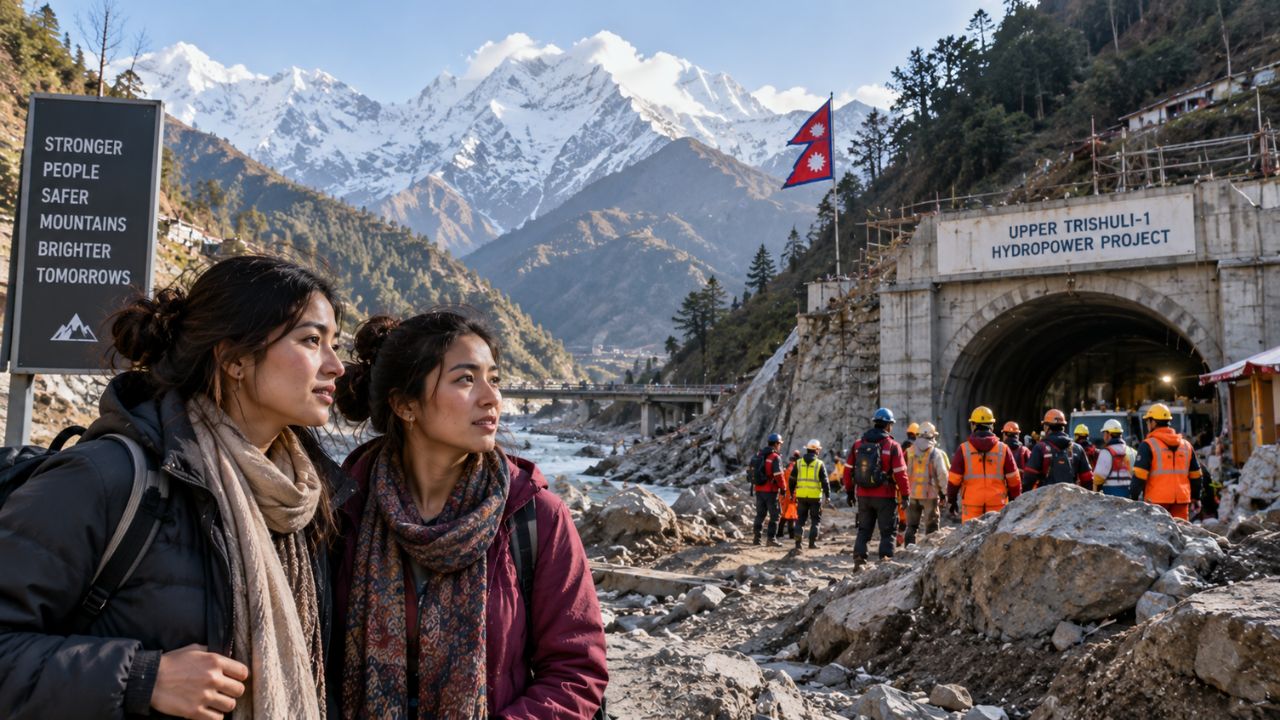
Image generated by AI
Search and rescue teams in Nepal have extracted a Chinese worker alive 225 metres inside a flooded hydropower tunnel at the Upper Trishuli-1 project in Rasuwa, intensifying efforts to locate nine missing South Korean nationals.
KATHMANDU, Nepal — Emergency response operations across northern Nepal remain active following flash floods and landslides triggered by heavy rainfall on 26 August 2026 near the Nepal-Tibet border. Coordinated by the Nepalese Army and supported by specialized South Korean rescue personnel, search efforts are concentrated around the Upper Trishuli-1 Hydropower Project in Rasuwa District.
The survival of a Chinese worker—recovered from deep within an underground tunnel after being trapped for several days—has spurred expanded underground and surface search operations across flooded power station complexes, dam sites, and adjacent Himalayan mountain corridors.
| Mission Parameter | Event Specification & Field Data |
|---|---|
| Disaster Event Date | 26 August 2026 (Flash floods & landslides near Nepal-Tibet border) |
| Primary Incident Site | Upper Trishuli-1 Hydropower Project, Rasuwa District, Nepal |
| Rescued Survivor | 1 Chinese national extracted alive 225 metres inside flooded tunnel |
| Missing Personnel | 9 South Korean nationals (Engineers & project personnel) |
| Operating Rescue Agencies | Nepalese Army, South Korean Emergency Response Teams, Local Police |
| Specialized Equipment Deployed | Thermal imaging cameras, subterranean drones, mud pumps, heavy excavators |
| Regional Highway Corridor | Pasang Lhamu Highway (Kathmandu–Dhunche–Rasuwagadhi border corridor) |
Rescue Teams Extract Chinese Survivor 225 Metres Inside Upper Trishuli-1 Tunnel
The extraction of the Chinese worker occurred after joint Nepalese and South Korean rescue teams cleared thick mud deposits, rock debris, and standing water 225 metres into the main access tunnel of the Upper Trishuli-1 facility. The survivor provided critical ground information regarding underground air pockets and potential shelter locations where other trapped workers may have sought refuge during the initial surge of floodwaters on 26 August.
Search teams have expanded operations to examine three primary subterranean sectors:
- Main Headrace & Tailrace Tunnels: Clearing blocked passages where high-volume mudflows trapped construction personnel.
- Underground Powerhouse Cavern: Inspecting flooded generator halls and electrical control chambers.
- Upper Mountain Escape Routes: Conducting thermal drone sweeps along surrounding slopes above the Trishuli River for workers who evacuated overland.
| Search Sector | Hazard Profile & Conditions | Specialized Equipment / Strategy |
|---|---|---|
| Deep Access Tunnel (225m+) | Heavy silt accumulation, power outages, low oxygen | High-capacity dewatering pumps & oxygen lines |
| Powerhouse & Transformer Halls | Structural debris & submerged electrical gear | Submersible ROV cameras & acoustic sensors |
| Rasuwa Riverbank & Tailrace | Torrential water flows & loose mudslides | Subterranean drones & thermal aerial sweeps |
| Mountain Ridge Trails | Unstable slopes & restricted road access | Foot patrols with trained SAR search dogs |
Operational Parameters and Search Mission Breakdown at Rasuwa Hydropower Site
The Upper Trishuli-1 Hydropower Project, situated along the Trishuli River basin in Rasuwa District, represents one of Nepal’s major infrastructure developments. The disaster highlights the physical vulnerability of mountain construction zones during monsoon flash floods.
| Operational Factor | Status Benchmark | Strategic Rescue Impact |
|---|---|---|
| Hydropower Project Name | Upper Trishuli-1 (216 MW capacity project) | Core focal point for multi-national search operations |
| Subterranean Depth Reached | 225 metres inside primary tunnel | Confirms survival viability in deep air pockets |
| South Korean Delegation | Specialized disaster response personnel | Direct technical integration with Nepalese Army |
| Weather & Environmental Obstacles | Monsoon downpours & secondary rockfalls | Restricted night operations due to slope instability |
Navigating Mountain Transit Corridors: Rasuwa Highway Disruptions and Trekking Safety Advisories
Travelers and logistics operators navigating northern Nepal should monitor highway conditions and regional transit advisories issued by the Nepal Tourism Board (NTB):
Highway Transit & Border Corridors
- Pasang Lhamu Highway (Kathmandu to Rasuwagadhi): Severe monsoon damage, mudslides, and river erosion have disrupted transit along key stretches between Kalikasthan, Dhunche, and Syabrubesi. Freight transit and tourist vehicles traveling toward the Kerung (Rasuwagadhi) Nepal-Tibet border crossing face major delays and intermittent closures.
- Alternative Routing: Travelers bound for Tibet or northern border trade points should check real-time road clearance updates from the Department of Roads before departing Kathmandu.
Trekking Safety in the Langtang Region
- Langtang National Park Trails: Syabrubesi serves as the primary trailhead for the Langtang Valley trek. Hikers are advised to consult licensed local trekking agencies and verify bridge and trail integrity along the Trishuli and Langtang Khola riverbanks.
- Emergency Registration: All international trekkers must register their itineraries with the Trekkers' Information Management System (TIMS) and maintain satellite or mobile communication devices while traversing high-altitude sections.
| Transit Corridor / Trail | Current Operational Status | Travel Recommendation |
|---|---|---|
| Pasang Lhamu Highway | Heavy landslide damage around Rasuwa | Essential travel only; expect multi-hour road clearings |
| Rasuwagadhi Border Crossing | Restricted cargo & overland passenger transit | Verify border gate status with immigration prior to travel |
| Syabrubesi to Langtang Trail | Caution advised along lower Trishuli riverbanks | Hire local guides; avoid low-lying riverbank campsites |
| Kathmandu to Dhunche Bus Service | Intermittent schedules due to mudslides | Use 4WD vehicles equipped for monsoon mountain roads |
Bilateral Emergency Response and International Rescue Coordination
The rescue mission involves close bilateral coordination between Nepal and South Korea. The Embassy of the Republic of Korea in Kathmandu has deployed technical advisors, specialized rescue gear, and corporate emergency personnel representing companies participating in the hydropower consortium.
Nepalese military commanders emphasize that while difficult terrain and ongoing monsoon rain present severe risks to frontline emergency crews, search operations will continue using thermal imaging, acoustic tracking, and heavy earth-moving equipment until all nine missing South Korean nationals are accounted for.
Frequently Asked Questions
What happened at the Upper Trishuli-1 Hydropower Project in Nepal?
On 26 August 2026, severe flash floods and landslides struck Rasuwa District near the Nepal-Tibet border, flooding underground tunnels at the Upper Trishuli-1 site and trapping construction workers.
How was the Chinese worker rescued from the flooded tunnel?
Nepalese and South Korean rescue teams cleared mud and debris to extract the Chinese survivor alive from a depth of 225 metres inside the main access tunnel after several days underground.
How many South Korean workers remain missing in the Nepal flood?
Nine South Korean nationals working on the hydropower project remain missing, with search teams scanning flooded tunnels and nearby mountain escape routes.
How are travel routes and trekking trails affected in Rasuwa District?
The Pasang Lhamu Highway connecting Kathmandu to the Rasuwagadhi border faces severe landslide disruptions. Trekkers in the Langtang region are advised to verify trail safety around Syabrubesi.
Related Travel Guides
This article is for informational purposes. Flight routes, passenger regulations, visa rules, and transit advisories are subject to change by airlines and aviation authorities. Readers are advised to verify schedules and travel documentation with relevant carriers and border agencies before departure.
Related Stories

Café Gran Batey Utuado 2026: Analyzing the Economics of Puerto Rico's Family-Run Coffee Farms
10 Best New Mexico Desert Road Trips Reddit Travelers Recommend in 2027