
Brazil Expands Global Wellness Tourism Infrastructure in Chapada Diamantina Bahia as Industry Surges to 1.06 Trillion Dollars in 2026
Brazil expands wellness travel infrastructure in Chapada Diamantina, Bahia, capturing high-yield international retreats as global wellness tourism reaches $1.06 trillion.

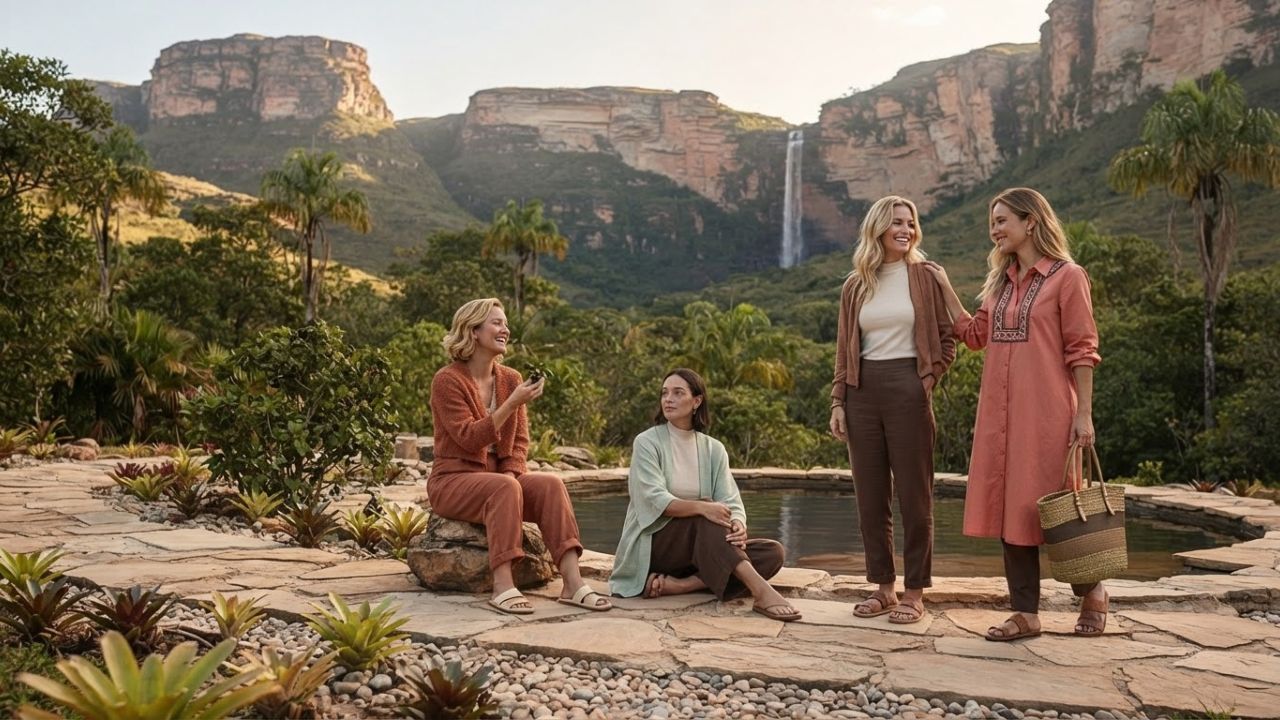
Image generated by AI
The expansion of carbon-neutral eco-sanctuaries across Chapada Diamantina in central Bahia is reshaping Brazil’s position within the global wellness travel market. Positioned as a quiet alternative to traditional retreat corridors in Peru, Costa Rica, and Colombia, the region is drawing high-yield international travelers into South America's interior while decentralizing tourism capital away from coastal urban hubs.
The shift comes as the global wellness tourism industry expands into a $1.06 trillion market, growing at a compound annual growth rate (CAGR) of approximately 9.7%. Data indicates that international retreat participants spend between $1,600 and $2,500 per stay—a 41% premium over standard leisure travel expenditure—providing direct economic support to rural agricultural communities and regional conservation projects across Bahia.
Market Economics and Demographic Indicators
The growth of interior eco-tourism reflects broader structural changes in global traveler preferences, length of stay, and demographic composition.
| Industry Performance Metric | Statistical Metric Value | Industry Baseline Comparison | Regional & Economic Impact |
|---|---|---|---|
| Global Wellness Tourism Market | $1.06 Trillion (9.7% CAGR) | Standard Global Leisure Sector | High-growth international travel engine |
| Per-Retreat Visitor Expenditure | $1,600 to $2,500 per Stay | +41% higher than standard leisure spend | Direct capital injection into rural Bahia |
| Extended Length of Stay (LOS) | 10 to 21 Days per Session | Standard vacations: 5 to 7 Days | Year-round revenue stability for local providers |
| Carbon-Neutral Preference | >65% of Global Retreat Seekers | Traditional Resort Accommodations | Drives off-grid solar & water infrastructure |
| Digital Detox Enrollment | 78% of Retreat Participants | 7 Consecutive Days Disconnected | Addresses global workplace burnout ($300B corporate cost) |
| Solo Traveler Market Share | 58% of Global Wellness Market | Traditional Group / Family Tours | High demand for safe, structured rural retreats |
| Gen Z / Youth Demographic | >32% of Arrivals under 30 | Traditional Luxury Sightseeing | Prioritizes mental health & experiential growth |
| Interior Visitor Revenue Growth | >15% Annual Growth Rate | Coastal Hubs (Rio/Salvador historically ~45%) | Redistributes tourism capital away from coast |
Environmental Conservation and Off-Grid Eco-Sanctuaries
Retreat developments in Bahia operate near Chapada Diamantina National Park, a protected sanctuary spanning over 1,500 square kilometers (370,000 acres) across the Cerrado and Mata Atlântica (Atlantic Forest) biomes.
To maintain compliance with strict ecological standards demanded by more than 65% of conscious travelers, inland sanctuaries implement advanced environmental systems:
- Off-Grid Solar Generation: State-of-the-art solar arrays supply 100% of operational energy, eliminating reliance on fossil-fuel power grids.
- Closed-Loop Water Management: Rainwater harvesting networks and multi-stage filtration systems supply potable water, while greywater is recycled for native reforestation.
- Biodiversity Reforestation: Retreat sanctuaries fund native tree planting projects along park boundaries, turning working hospitality acreage into functional wildlife corridors connecting the Cerrado and Mata Atlântica biomes.
Cultural Integration and Ethnobotanical Lineages
Brazil holds nearly 20% of the world’s total plant biodiversity, placing the country at the center of the global botanical medicine and natural wellness industry, which is projected to reach $150 billion.
Travelers planning a visit to the region can coordinate their arrival through the Visit Brasil official tourism portal, which provides comprehensive guides on exploring Bahia's interior.
In Chapada Diamantina and the surrounding Bahian valleys, ethnobotanical practices draw upon ancestral traditions:
- Indigenous Botanical Lineages: Native communities maintain thousands of years of traditional knowledge regarding indigenous herbal medicine and forest plants.
- Syncretic Spiritual Traditions: In Bahia, traditional plant knowledge intersects with African spiritual lineages—including Candomblé and Umbanda—alongside local Christian customs and Ayahuasca-centered spiritual churches such as Santo Daime.
- Authentic Cultural Exchange: Retreat programs feature locally sourced Bahian gastronomy, traditional Portuguese sacred music, and evening cultural gatherings featuring regional Samba and Forró dances, fostering direct cross-cultural engagement with local communities.
Regional Transit Corridors and Infrastructure Upgrades
Historically, long transit times into central Bahia created a logistical barrier for intercontinental travelers. Recent aviation and highway infrastructure upgrades have integrated remote mountain sanctuaries into global transport networks.
| Transit Corridor / Segment | Origin & Destination Termini | Transit Time Reduction | Operational Logistics & Transport Mode |
|---|---|---|---|
| Air Gateway Connection | São Paulo (GRU/CGH) or Salvador (SSA) to Lençóis Airport (LEC) | Up to 60% Reduction in Inland Transit Time | Regional Commercial Flights / Direct Air Connections |
| Overland Mountain Transfer | Lençóis Airport (LEC) to Vale do Capão & Chapada Sanctuaries | 1.5 to 2.5-Hour Drive | Coordinated Private Shuttles / All-Terrain Vehicles |
| Regional Highway Transit | BR-242 Trunk Highway Corridor across Central Bahia | Improved Road Surface Safety | Access Route for Regional Supplies & Agricultural Goods |
Length-of-Stay Optimization and Clinical Health Outcomes
Unlike standard short-term vacations spanning 5 to 7 days, holistic wellness sabbaticals in Chapada Diamantina require 10 to 21 days per session. Extending the length of stay reduces the carbon footprint generated per day of travel while smoothing out traditional seasonal economic slumps for local mountain guides, organic farmers, and hospitality staff.
Clinical Stress Reduction Metrics
Clinical evaluations of structured, multi-day retreat programs—incorporating daily meditation, clean regional nutrition, and natural immersions—demonstrate significant health benefits:
For those seeking detailed ecological guidelines and conservation maps of the protected areas, the ICMBio (Chico Mendes Institute for Biodiversity Conservation) manages the national park's sustainability standards.
- Cortisol Reduction: Participants exhibit a reduction in cortisol levels of up to 40%.
- Sustained Outcomes: Documented physiological and psychological benefits persist for 6 to 12 months post-retreat.
- Corporate Wellness Applications: With global corporate costs attributed to employee burnout exceeding $300 billion annually, international firms are increasingly leveraging multi-week retreat sabbaticals as structured preventive healthcare investments.
Traveler Logistics Guide and Retreat Preparation
For international travelers navigating journey logistics to Chapada Diamantina, adhering to structured travel protocols ensures smooth transit:
Wellness Transit & Expedition Protocol
- Flight Connections to Lençóis (LEC): Book long-haul intercontinental flights into São Paulo (GRU) or Salvador (SSA), connecting directly to regional flights landing at Lençóis Airport (LEC).
- On-Ground Airport Transfers: Pre-arrange private shuttle transfers from Lençóis Airport to Vale do Capão or surrounding mountain sanctuaries, as local taxi availability can be limited during peak retreat arrival windows.
- Digital Detox Preparation: Inform family and workplace contacts in advance of the mandatory 7-day screen disconnect period. Offline maps and physical travel documents should be downloaded prior to entering high-altitude mountain valleys.
To understand the broader economic trends driving this growth, the Global Wellness Institute provides the primary research and data on the trillion-dollar wellness economy. 4. Gear Essentials for Central Bahia: Pack lightweight breathable clothing for warm daytime temperatures, warm layers for cool high-altitude mountain evenings, broken-in trail hiking shoes, eco-friendly biodegradable toiletries, and reusable water filtration bottles.
FAQ: Brazil Expands Global Wellness Tourism 2026
What is the best way to reach Chapada Diamantina for a wellness retreat? Most international travelers fly into Salvador (SSA) or Barreiras (BRA) airports and then travel by private transfer or regional bus to the central highlands of Bahia.
How does wellness tourism in Chapada Diamantina differ from standard vacations? Unlike traditional leisure travel, these retreats focus on mental health, digital detoxing, and carbon-neutral living, typically featuring longer stays (10–21 days) and structured mindfulness programs.
Is Chapada Diamantina a sustainable destination for eco-conscious travelers? Yes. The region is expanding its infrastructure with off-grid solar power and water conservation systems to meet the demands of travelers prioritizing carbon-neutral and low-impact tourism.
What should I expect to spend on a wellness retreat in Bahia? International visitors typically spend between $1,600 and $2,500 per stay, which is approximately 41% higher than standard leisure travel due to the specialized nature of the services.
Related Travel Guides
The 10 Best Chapada Diamantina Eco-Sanctuary and Hiking Routes in Brazil, According To Reddit
Disclaimer
This article is for informational and educational purposes only. It does not constitute legal, financial, or professional advice. While we strive to provide accurate and up-to-date information, travel policies, regulations, and conditions change rapidly. Always verify information with official sources before making travel decisions. Nomad Lawyer makes no representations about the accuracy, reliability, completeness, or suitability of the information provided. Readers should consult qualified professionals for advice specific to their circumstances. The views expressed in this article are those of the author and do not necessarily reflect the views of Nomad Lawyer.
Preeti Gunjan
Contributor & Community Manager
A passionate traveller and community builder. Preeti helps grow the Nomad Lawyer community, fostering engagement and bringing the reader experience to life.
Learn more about our team →