
El Salvador Rises as Central America Gateway for Surf and Volcanoes
El Salvador is emerging as a Central American gateway, combining Pacific surf, volcanic lakes, ancient Maya ruins, and colonial heritage in one compact country.

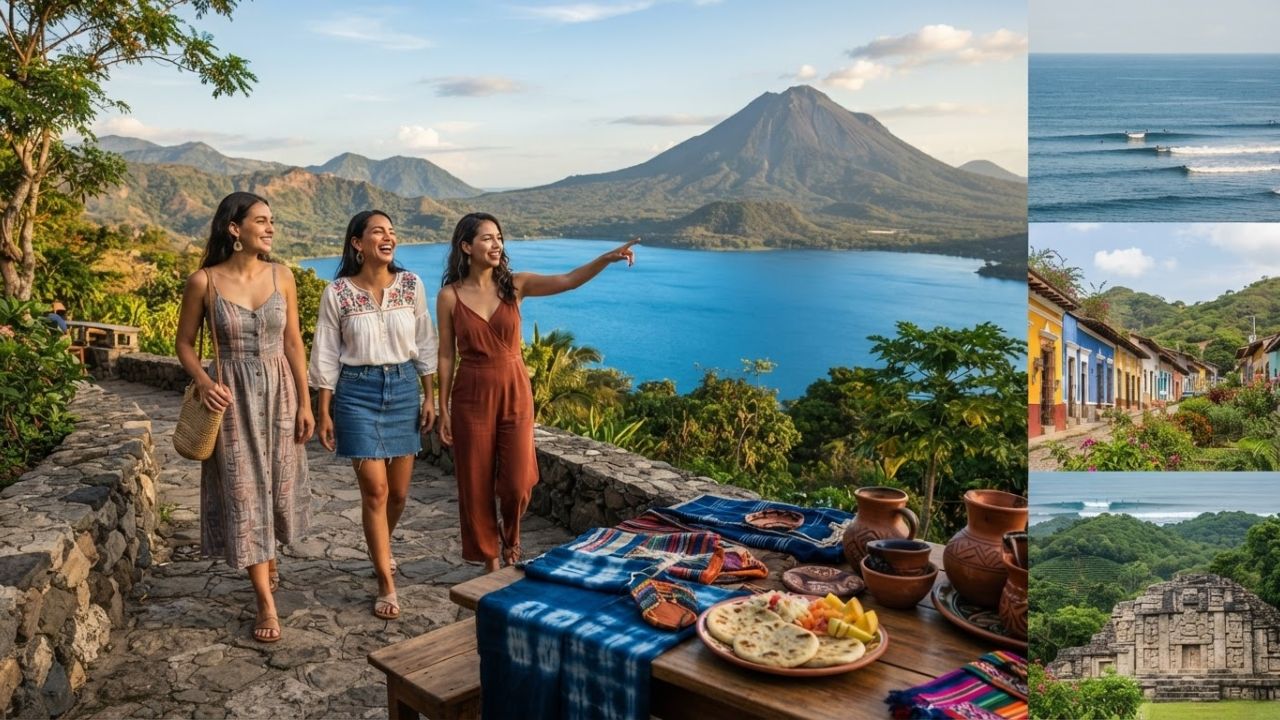
Image generated by AI
El Salvador is emerging as a major Central American travel gateway, offering Pacific surf, volcanic lakes, ancient Maya ruins, and colonial heritage in one compact country. The diversity of experiences in close proximity allows travelers to transition from coastal surf breaks to high-altitude coffee forests within a single morning.
The Local Trend Revealed
Travelers are prioritizing destinations that offer diverse itineraries without the need for long domestic flights. Promoted by the Ministry of Tourism of El Salvador (MITUR) and the El Salvador Tourism Corporation (CORSATUR), the country's travel offering is divided into distinct regional experiences:
- Surf City Coastal Network: The Pacific coastline includes popular surf and beach communities such as El Tunco, El Sunzal, El Majahual, San Blas, and San Diego. El Tunco serves as the main hub for surf instruction, dining, and nightlife.
- Western Volcanic Complexes: Santa Ana Volcano (Ilamatepec) offers guided hiking adventures within the Los Volcanes complex. Nearby Lake Coatepeque, a blue volcanic caldera lake, provides kayaking and relaxation, while Cerro Verde Nature Park offers panoramic viewpoints.
- Archaeological Circuits: Joya de Cerén, a UNESCO World Heritage site covered in volcanic ash during the 7th century AD, reveals the daily life of ancient Maya farming families. The circuit also includes San Andrés, Tazumal (in Chalchuapa), and Casa Blanca.
- Ruta de las Flores: A scenic mountain route between Sonsonate and Ahuachapán connecting high-altitude towns including Ataco, Apaneca, Juayúa, Nahuizalco, Salcoatitán, and Ahuachapán, known for coffee plantations, local crafts, and cooler climates.
- Cultural Suchitoto: Near Lake Suchitlán, this colonial-style town is celebrated for its historic streets, art galleries, and workshops teaching traditional indigo (añil) dyeing.
- The Wild East and Marine Sanctuaries: The eastern coast features quieter destinations like El Cuco, Punta Mango, San Miguel, the Gulf of Fonseca, and Conchagua Volcano. Los Cóbanos offers volcanic reef diving, while Barra de Santiago features mangrove and estuary ecosystems.
Local Community & Environmental Value
For the visitor, the real impact of traveling in El Salvador lies in supporting regional artisan cooperatives and local agricultural communities. Choosing to buy handmade indigo textiles in Suchitoto, woven wicker crafts in Nahuizalco, or purchasing shade-grown beans directly from small coffee farms along the Ruta de las Flores directly helps sustain the local economy.
Environmental conservation is fostered through low-impact recreation and community-led wildlife tours. Hiring local guides for Santa Ana volcano climbs and choosing eco-lodges near Barra de Santiago protects fragile habitats. Additionally, choosing low-impact sports like kayaking on Lake Coatepeque reduces pollution in the volcanic caldera, aligning with conservation goals monitored by the Ministry of Culture of El Salvador and local environmental authorities.
Visitor Insider Tips for El Salvador Travel
Travel specialists recommend the following practices for travelers:
- Hire Certified Local Guides for Volcano Hikes: Guided group climbs at Santa Ana Volcano depart daily around 9:00 AM or 10:00 AM. Always hire a certified local guide at the Cerro Verde ranger station to ensure safety and support the local guiding economy.
- Drive Cautiously on Mountain Roads: Renting a car is convenient for exploring, but watch for thick fog and winding routes along the Ruta de las Flores and Cerro Verde. Avoid driving these mountain passes at night.
- Observe the Off-Peak Window: Visit El Salvador during the shoulder months of November or April. The rainy season (May to October) has cleared, the countryside is lush and green, and the peak dry-season crowds around Christmas and Easter have not yet arrived.
- Sample Regional Culinary Specialties:
- Eat fresh, hot pupusas (handmade thick corn tortillas stuffed with cheese, refried beans, or chicharrón, served with curtido cabbage relish).
- Try a warm bowl of Sopa de Gallina India (wild chicken soup) at local weekend food festivals.
- Observe Archaeological and Craft Etiquette: Do not touch, sit on, or climb the ruins at Joya de Cerén or Tazumal. When shopping for handicrafts, negotiate politely and pay fair prices to respect artisan labor. Tipping is standard at 10 percent in sit-down restaurants.
- Explore Under-the-Radar Spots: Skip the busy beaches of El Tunco and hike to the hidden waterfalls of Chorros de la Calera in Juayúa, or take a quiet morning boat ride through the mangroves of Barra de Santiago to spot nesting sea turtles.
Tourism Outlook
The long-term impact of El Salvador's diversified tourism model will establish it as a leading sustainable travel destination in Central America. By expanding promotions beyond Surf City to include highlands coffee culture and ancient Maya heritage, the country seeks to distribute visitor spending to rural areas, encouraging long-term economic stability.
FAQ: El Salvador Travel Guide
What is the distance between El Salvador's coast and the volcano region? Due to the country's compact size, travelers can drive from the Pacific surf beaches to the Western volcanoes in about two hours.
Why is Joya de Cerén called the "Pompeii of the Americas"? This UNESCO World Heritage site preserves an ancient Maya farming village that was buried under volcanic ash from an eruption in the 7th century AD, leaving everyday dwellings intact.
What is the best route for exploring El Salvador's coffee towns? The Ruta de las Flores is a scenic highway in the western highlands connecting Sonsonate and Ahuachapán, linking several historic coffee-growing villages.
Can you dive in El Salvador? Yes. Los Cóbanos in western El Salvador is popular for diving around its volcanic reef, where divers can spot marine life and shipwrecks.
Related Travel Guides
Disclaimer
This article is for informational and educational purposes only. It does not constitute legal, financial, or professional advice. While we strive to provide accurate and up-to-date information, travel policies, regulations, and conditions change rapidly. Always verify information with official sources before making travel decisions. Nomad Lawyer makes no representations about the accuracy, reliability, completeness, or suitability of the information provided. Readers should consult qualified professionals for advice specific to their circumstances. The views expressed in this article are those of the author and do not necessarily reflect the views of Nomad Lawyer.
Raushan Kumar
Founder & Lead Developer
Full-stack developer with 11+ years of experience and a passionate traveller. Raushan built Nomad Lawyer from the ground up with a vision to create the best travel and law experience on the web.
Learn more about our team →