
Bolivia Wants Travellers to Stay Longer in La Paz as New Tourism Strategy Connects City, Mountains and Culture: All You Need to Know
Bolivia Wants Travellers to Stay Longer in La Paz as New Tourism Strategy Connects City, Mountains and Culture: All You Need to Know

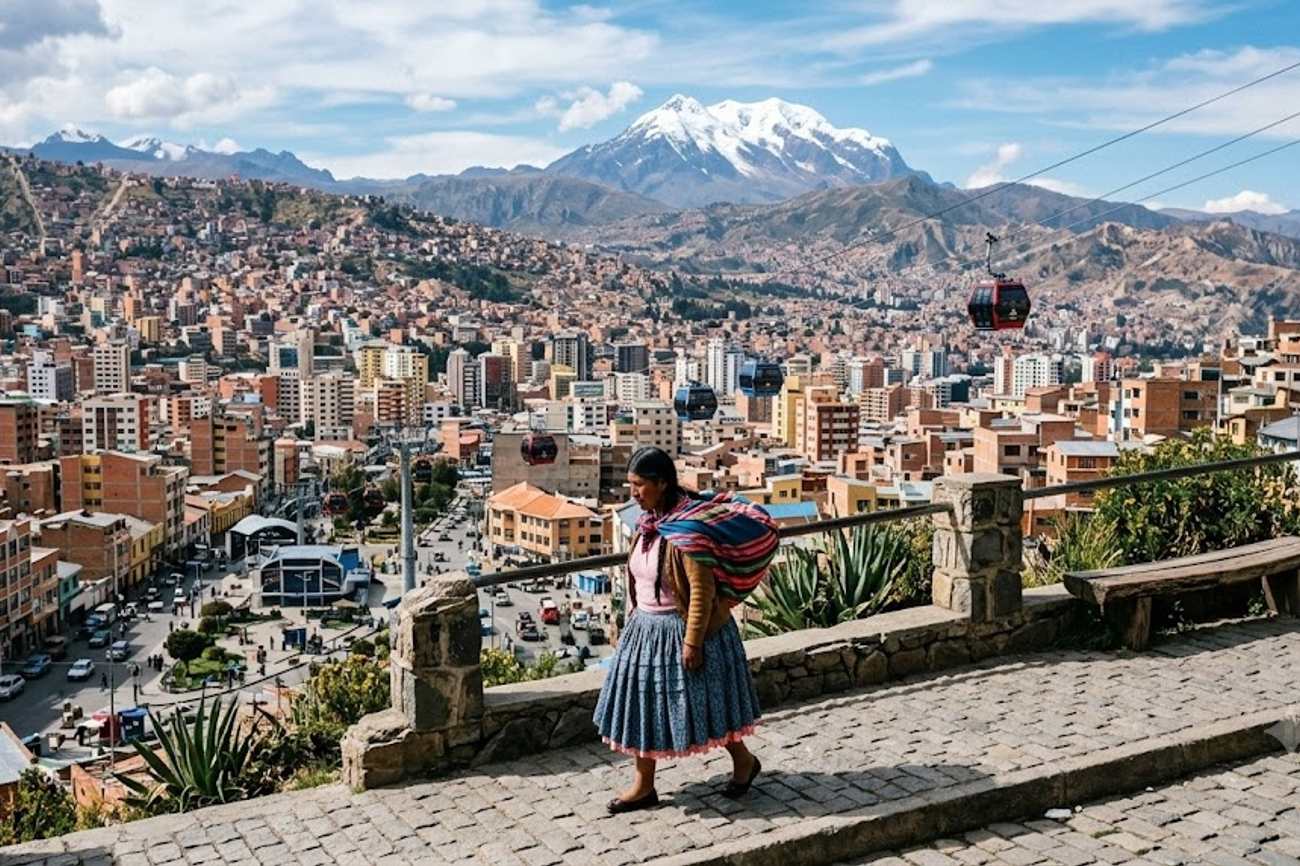
Image generated by AI
[La Paz, September 2026] — Municipal authorities in La Paz have launched an aggressive new tourism strategy designed to pivot the city from a brief transit stop into a primary South American travel hub. The initiative, branded as "Turismo de Altura," seeks to exponentially increase visitor retention by integrating urban attractions with high-altitude mountaineering, tropical valley excursions, and deep cultural immersion.
The strategy aims to shift the current visitor baseline of approximately 300,000 annual tourists toward a long-term target of 3 million visitors. Most critically, city officials are attempting to disrupt the current trend of one-night stays, setting a target average duration of at least 10 nights per visitor. To achieve this, the city is positioning itself as the central logistics base for excursions to Lake Titicaca, Tiwanaku, Coroico, Toro Toro, and the Salar de Uyuni.
The Shift to High-Altitude Diversification
The immediate catalyst for this strategy is the desire to transform tourism into a sustainable economic engine rather than a superficial service industry. By linking the historic city center and the iconic cable-car network with remote natural landscapes, La Paz is diversifying its appeal to include adventure seekers, ecologists, and cultural historians.
A cornerstone of this expansion is the development of the Zongo Valley. Announced on 15 September, this project focuses on a unique ecological corridor that descends from the high Cordillera Real through temperate zones and into tropical vegetation. The municipality is partnering with local communities—specifically Cañaviri, Camsique, and Cahua Grande—to build a community-led tourism model. This includes the promotion of the Viscachani lagoon and the integration of local gastronomy, with a specific emphasis on trout as a regional culinary draw.
The city is also utilizing Valle de la Luna as a primary test case for high-altitude urban tourism. Located just five kilometers from the city center—a 20-to-25-minute transit—the 44.2-hectare site offers an accessible entry point for travelers. The site, featuring eroded clay formations and over 32 species of native cactus, operates daily from 09:00 to 18:00 with a tiered pricing structure: Bs15 for international tourists, Bs3 for Bolivian citizens, and Bs1 for children.
Market Impact and Affected Segments
The "Turismo de Altura" framework specifically targets several distinct traveler profiles, shifting the demand for local infrastructure and services.
| Traveler Segment | Primary Focus Areas | Key Activities |
|---|---|---|
| Adventure Tourists | Illimani, Huayna Potosí, Mururata, Chacaltaya | Mountaineering, glacier camping, mountain biking |
| Eco-Tourists | Zongo Valley, Viscachani Lagoon | Nature trekking, tropical botany, cycling |
| Cultural Travelers | Historic Center, UMSA Folkloric Events | University parades, indigenous workshops, urban exploration |
| Regional Hubbers | El Alto International Airport | Transit to Uyuni, Titicaca, and Tiwanaku |
The mountaineering sector is particularly emphasized, leveraging peaks that exceed 5,000 meters. The strategy highlights Illimani (6,438 m), Huayna Potosí (6,088 m), Mururata (5,868 m), and Chacaltaya (5,421 m) as anchors for photography, trekking, and high-altitude expeditions.
What This Means for Travelers
For the individual traveler, this strategy translates to a shift in how La Paz is experienced. Rather than using the city as a 24-hour gateway to the salt flats, visitors will find a more robust infrastructure supporting longer stays.
Flight and Transit Logistics: Travelers arriving via El Alto International Airport will see incremental improvements in facility efficiency. The state airport operator, NAABOL, is implementing a 2026 infrastructure program that includes the addition of Boarding Bridge No. 4 and expanded passenger-service areas. While NAABOL projects a national system capacity of 11 million passengers for 2026, the specific upgrades at El Alto are designed to reduce friction for international arrivals.
On-the-Ground Experience: Visitors can expect a more formalized community-tourism experience in the Zongo Valley. Instead of relying solely on large tour operators, travelers will have more opportunities to engage directly with local guides and lodging providers in rural communities.
Cultural Timing: Travelers planning visits around September should account for massive urban congestion and high cultural activity. For example, the XXXVII Entrada Folklórica Universitaria on 19 September 2026 involves over 20,000 dancers and 83 participating groups from the Universidad Mayor de San Andrés (UMSA). This event is a major economic driver, generating an estimated Bs19 million in spending across transport, lodging, and hospitality.
Infrastructure and Scaling Timeline
The success of the "Tourism Hub" model depends on the simultaneous upgrade of air links, road networks, and safety protocols. The municipal government has identified these four pillars—air connectivity, roads, visitor safety, and hospitality—as the non-negotiable requirements for reaching the 3-million-visitor milestone.
The rollout is currently in the "diversification phase," where the city is moving beyond its known landmarks to promote the Zongo Valley and high-altitude peaks. The next phase involves the operationalization of a dedicated local tourism office to support community-led services in the valleys.
As the city scales, the focus will shift toward integrating the "Capital del Cielo" brand across all touchpoints, ensuring that the transition from the urban cable-car network to the remote glacier camps of Huayna Potosí is seamless for the international traveler.
FAQ: La Paz Tourism Strategy 2026
How long should I plan to stay in La Paz under the new strategy? While many previously stayed one night, the city now encourages stays of 10 nights or more. This allows time to use La Paz as a base for trips to the Salar de Uyuni, Lake Titicaca, and the Zongo Valley.
What are the entry requirements and costs for Valle de la Luna? The site is open daily from 09:00 to 18:00. International visitors pay Bs15, while Bolivian nationals pay Bs3 and children pay Bs1. It is located approximately five kilometers from the city center.
What is the best way to experience the mountain peaks? For those seeking high-altitude adventure, the city promotes Illimani (6,438 m) and Huayna Potosí (6,088 m) for mountaineering and glacier camps, while Chacaltaya (5,421 m) is the primary destination for mountain biking and photography.
Are there specific dates to avoid or visit for cultural events? The Entrada Folklórica Universitaria on 19 September 2026 is a peak cultural event featuring 20,000+ dancers. Visit during this time for cultural immersion, but expect significant crowds and increased demand for hotels.
La Paz is betting that its extreme altitude is its greatest asset in the global race for adventure tourism.
#LaPaz2026 #ElAltoAirport #TurismoDeAltura #BoliviaTravel #ZongoValley #NAABOL
Related Travel Guides
- US Joins UK, Germany and Italy to Power Zagreb Tourism as Overseas Visitors Near Eighty Nine Percent of July Overnight Stays: What You Need to Know
- Spain Holiday Hotspots Under Weather Alert As Costa Blanca Storms Hit Xàbia And Dénia With Heavy Rain
- Malaysia, Asia Highlights Citrawarna Speed Festival 2026 With Heritage, Culture and Travel Experiences: All You Need to Know
Disclaimer
This article is for informational and educational purposes only. It does not constitute legal, financial, or professional advice. While we strive to provide accurate and up-to-date information, travel policies, regulations, and conditions change rapidly. Always verify information with official sources before making travel decisions. Nomad Lawyer makes no representations about the accuracy, reliability, completeness, or suitability of the information provided. Readers should consult qualified professionals for advice specific to their circumstances. The views expressed in this article are those of the author and do not necessarily reflect the views of Nomad Lawyer.
Raushan Kumar
Founder & Lead Developer
Full-stack developer with 11+ years of experience and a passionate traveller. Raushan built Nomad Lawyer from the ground up with a vision to create the best travel and law experience on the web.
Learn more about our team →