Spain Holiday Hotspots Under Weather Alert As Costa Blanca Storms Hit Xàbia And Dénia With Heavy Rain

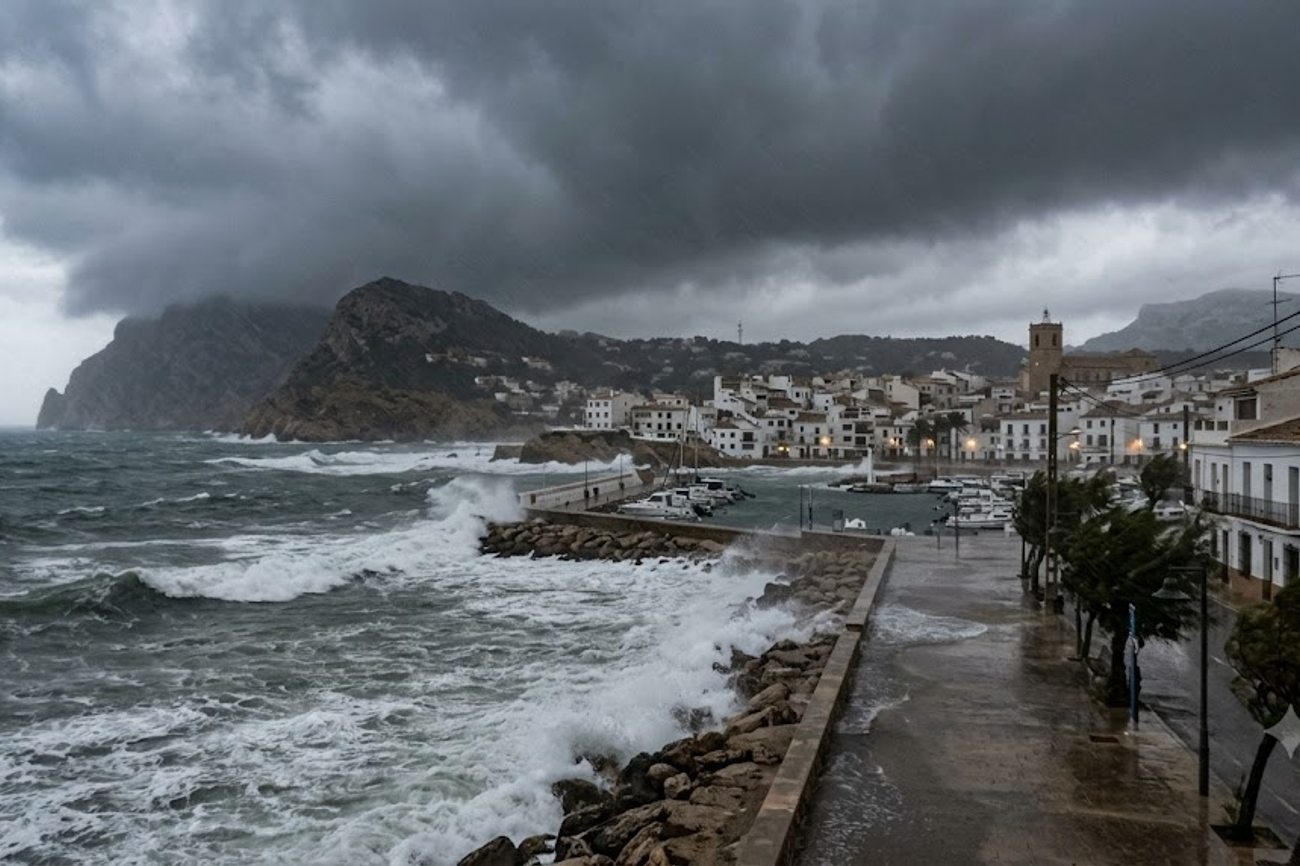
Image generated by AI
81.8 litres per square metre is the peak rainfall recorded at Xàbia Port, marking the epicenter of a volatile weather system that recently paralyzed sections of Spain’s Costa Blanca. This surge in precipitation triggered an orange weather warning across northern Alicante province, signaling a shift from routine seasonal rain to high-intensity storm activity that threatened the infrastructure of the Marina Alta region.
The Anatomy of the Marina Alta Storm System
The recent meteorological instability in the Alicante province was characterized by its extreme localization. Rather than a uniform front, the storm manifested as a series of intense, isolated cells that dumped massive volumes of water on specific coastal coordinates while leaving adjacent towns relatively untouched. This "patchwork" rainfall pattern is a hallmark of Mediterranean storm systems, where moisture-heavy air from the sea hits the coastal topography, resulting in sudden, violent downpours.
The geographic focus of the deluge centered on the Marina Alta, one of the most densely visited tourist corridors in eastern Spain. The intensity of the event necessitated a rapid escalation of alerts by the Spanish State Meteorological Agency (AEMET), which upgraded the regional status from a yellow warning to an orange alert. This upgrade was not merely administrative; it served as a critical warning that rainfall could hit 50 litres per square metre within a single 60-minute window, a rate that frequently exceeds the drainage capacity of urban coastal infrastructure.
Precipitation Data and Regional Impact
The variance in rainfall across the affected zones illustrates the volatility of the event. While some areas remained dry, others faced significant water accumulation that threatened local transit and tourism operations.
| Location | Recorded Rainfall (Litres per sq. metre) | Alert Level |
|---|---|---|
| Xàbia Port | 81.8 | Orange |
| Ondara | 68.4 | Orange |
| Dénia | 64.8 | Orange |
| Xàbia (Montgó area) | ~60.0 | Orange |
| Dénia/Ondara (Various) | >60.0 | Orange |
| Cap de Sant Antoni | >55.0 | Orange |
| Pedreguer | ~47.0 | Orange |
The operational impact of these figures is significant. When a coastal town like Xàbia records over 80 litres per square metre in a short window, the primary risk shifts from surface flooding to the rapid filling of dry river channels and the inundation of low-lying underpasses. Unlike the previous weather event in the Valencia region—which saw 70 litres per square metre fall in just 30 minutes—this specific episode was more concentrated in the Alicante province, sparing the Valencia Airport and Metrovalencia services from a repeat of their recent operational collapses.
Expert Analysis: The "Mediterranean Pulse" and Traveler Risk
For the international traveler, these events reveal a systemic vulnerability in how Mediterranean tourism is marketed versus the reality of its climate volatility. The Costa Blanca is sold as a bastion of perpetual sunshine, yet the data suggests a recurring pattern of "extreme pulses"—short-duration, high-intensity weather events that can render a region inaccessible in under an hour.
The direct consequence for travelers booking routes through Marina Alta is a heightened risk of "micro-disruptions." Because the rainfall is so localized, a traveler may see clear skies at their hotel in Dénia but encounter a flooded road or a closed coastal route just ten kilometers away in Xàbia. This creates a dangerous psychological gap where visitors underestimate the risk because their immediate surroundings appear calm.
Furthermore, the pricing and logistical pressure created by these events often falls on the traveler. When orange alerts are issued, outdoor excursions and coastal sightseeing—the primary economic drivers of the region—are frequently canceled. For those relying on rental cars to navigate between resorts and airports, the risk of becoming stranded in low-lying areas or underpasses is substantial. The shift of the storm center from Valencia to Alicante demonstrates that these systems are nomadic; a travel itinerary centered on one city can be disrupted by a storm system centered 100 kilometers away that affects the primary transit arteries.
From a legal and logistical standpoint, this reinforces the necessity of "flexible planning" not as a suggestion, but as a requirement. The reliance on official updates from bodies like AEMET is the only reliable way to navigate these shifts, as traditional weather forecasts often fail to predict the exact coordinate of a Mediterranean "cell."
Key Takeaways
- Peak Intensity: Xàbia Port emerged as the hardest-hit zone with 81.8 litres per square metre, followed by Ondara (68.4) and Dénia (64.8).
- Alert Escalation: The Spanish government upgraded warnings from yellow to orange, specifically warning of 50 litres per square metre falling within one hour.
- Localized Volatility: Rainfall patterns were highly fragmented, meaning weather conditions could differ drastically between neighboring towns in the Marina Alta.
- Infrastructure Risks: Travelers are specifically warned to avoid dry river channels, underpasses, and low-lying roads during these pulses.
- Regional Shift: While previous storms crippled Valencia's airport and metro, this event shifted focus to the Alicante coast, leaving Valencia's transport hubs operational.
FAQ: Costa Blanca Weather Alerts 2024
What does an "Orange Warning" mean for my travel plans in Alicante? An orange warning indicates a significant risk of dangerous weather. While it does not usually mean a total lockdown, it suggests that flash flooding is possible. You should avoid low-lying roads and monitor official AEMET updates before departing your hotel.
Are flights to Alicante or Valencia airports canceled during these storms? Not necessarily. While the recent Costa Blanca storms caused localized flooding, they did not shut down airports. However, ground transport to the airport may be delayed due to flooded roads or underpasses. Always check your flight status via the airline.
Which areas of the Costa Blanca are most prone to these flash floods? Coastal communities in the Marina Alta region, specifically Xàbia, Dénia, and Ondara, are highly susceptible. Areas near the Montgó mountain and Cap de Sant Antoni also frequently record high precipitation levels during these events.
Should I change my hotel if a weather alert is issued? No, but you should prepare alternative indoor itineraries. Most hotels and resorts in the Costa Blanca are equipped for heavy rain, but outdoor excursions and beach activities will likely be suspended during an orange alert.
When the Mediterranean shifts from sunshine to deluge in sixty minutes, the only reliable itinerary is one that expects the unexpected.
Tags: Costa Blanca 2024, AEMET Orange Alert, Marina Alta Weather, Xàbia Tourism, Alicante Province Flooding, Dénia Travel Safety
Related Travel Guides
- Malaysia Follows Australia And More In Powering Indonesia Tourism Success As H1 2026 Foreign Exchange Revenue Hits US$8.43 Billion
- Ukraine and Romania Among Top Visitors as Moldova Tourism Growth Overtakes Other European Countries in 2026
- Azerbaijan Unlocks Easier Travel for F1 Fans With Airport Visa Access for 2026 Baku Grand Prix
This article is for informational purposes. Flight routes, passenger regulations, visa rules, and transit advisories are subject to change by airlines and aviation authorities. Readers are advised to verify schedules and travel documentation with relevant carriers and border agencies before departure.
Related Stories

Beyond Green Expands Sustainable Luxury Portfolio to 22 Countries with New Costa Rica and Spain Hotels 2026

Thailand Tourism Slowdown Tests Small Businesses as Kingdom Pivots to High-Yield Travel and Secondary Provinces