Malaysia, Asia Highlights Citrawarna Speed Festival 2026 With Heritage, Culture and Travel Experiences: All You Need to Know

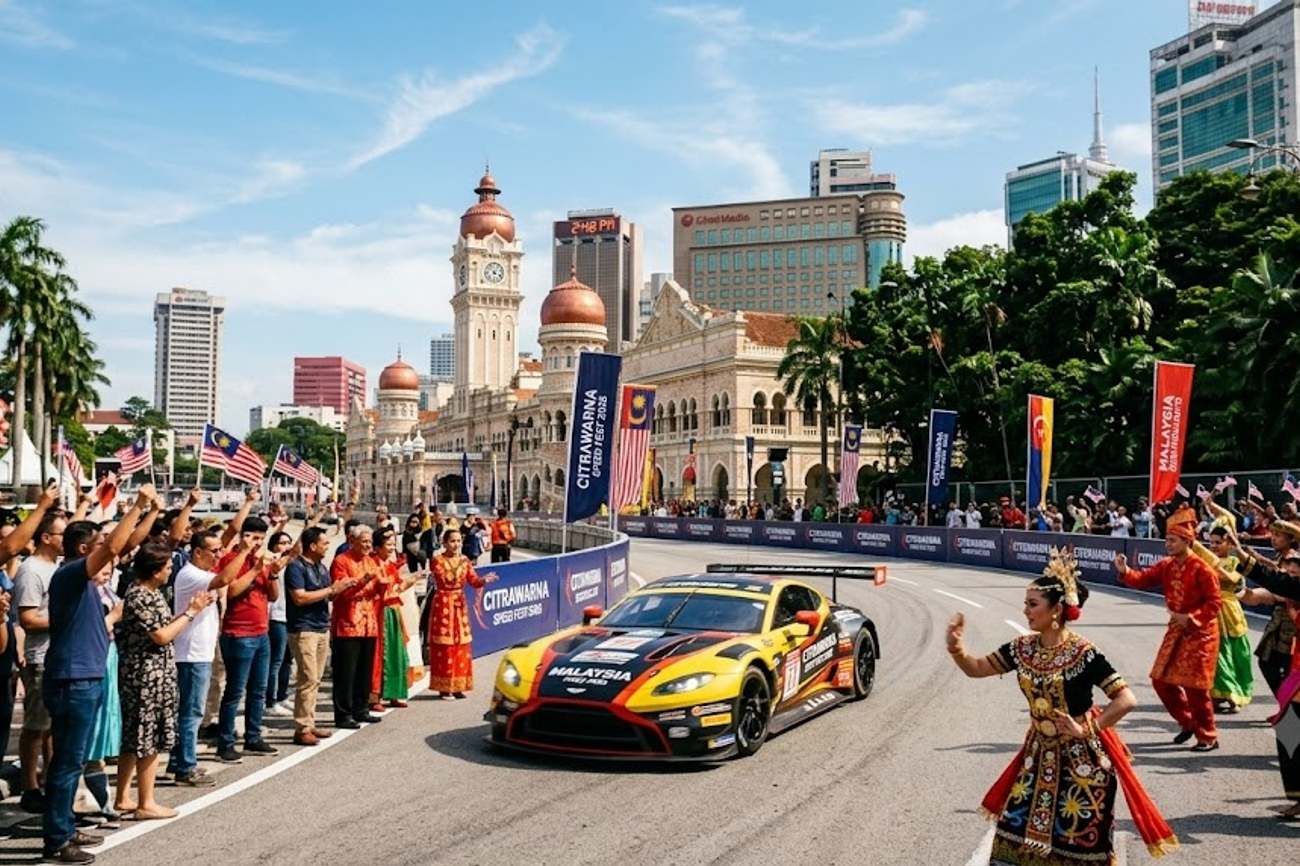
Image generated by AI
While most visitors to Kuala Lumpur stick to the Petronas Towers and Bukit Bintang, the real soul of the country emerges during the Citrawarna Speed Festival, where the boundaries between modern urbanity and ancestral tradition vanish. This isn't a static museum exhibit; it is a high-energy collision of Malay, Chinese, Indian, and indigenous identities that transforms the city into a living map of the entire peninsula and the Bornean states.
The Evolution of the Citrawarna Speed Festival 2026
Malaysia is shifting its tourism strategy away from passive sightseeing and toward immersive, event-driven engagement. The Citrawarna Speed Festival, scheduled to run from 23 September to 4 October 2026, is the centerpiece of this movement. Rather than asking travelers to visit a landmark, the festival brings the landmarks—and the people who define them—to a central stage.
This event serves as a strategic bridge. By blending high-speed entertainment with deep-rooted heritage, the festival targets a new generation of "experience seekers" who prioritize participation over observation. It is designed to act as a catalyst, drawing international crowds into the capital and then dispersing them into the wider regions of the country. For the visitor, it is a concentrated dose of Malaysian identity; for the local artisan or performer, it is a global platform to showcase crafts and arts that might otherwise remain confined to small villages in Sabah or Sarawak.
What Makes Malaysia’s Cultural Identity Different
The uniqueness of the Malaysian experience lies in its "plural society." Unlike destinations with a single dominant cultural narrative, Malaysia is a mosaic. At the Citrawarna Speed Festival, this is evident in the way traditional music and dance are not presented as separate acts, but as a synchronized dialogue. You will see the intricate footwork of Indian classical dance alongside the rhythmic grace of Malay traditions and the bold, storytelling performances of the indigenous peoples of Borneo.
This diversity extends beyond the stage and into the very air of the festival through its culinary offerings. Food is the primary language of connection here. The festival provides a curated entry point into the complex flavors of the region:
- Malay Staples: The fragrant, coconut-milk infused Nasi lemak and charred, peanut-sauce drenched satay.
- Chinese-Malaysian Specialties: Regional noodle dishes and dim sum that reflect the diaspora's adaptation to local ingredients.
- Indian-Malaysian Classics: The aromatic intensity of banana leaf meals and a vast array of regional spices.
For those looking to extend their journey beyond the festival dates, the country offers a stark contrast in environments. One can move from the futuristic architecture of Putrajaya to the colonial-era streets of Melaka, or travel north to the UNESCO World Heritage sites of George Town, Penang, where street art and clan jetties tell the story of a centuries-old trading port.
Visitor Insider Tips
To navigate the Citrawarna Speed Festival and the surrounding regions like a local, you have to move beyond the standard tourist maps.
Timing and Crowd Control The festival runs from 23 September to 4 October 2026. To avoid the heaviest crowds, arrive at the performance venues at least two hours before the main events start. Local crowds tend to peak in the late evening; if you prefer a quieter experience, explore the tourism showcases and craft stalls during the mid-afternoon lull.
Neighborhood Base While many stay in the city center, consider basing yourself in neighborhoods like Bangsar or Mont Kiara for a more residential feel, or stay in Bukit Bintang if you want to be within walking distance of the primary action. For those venturing out, the official Malaysia tourism portal provides updated guidance on regional hubs.
Transport Hacks Avoid relying solely on taxis during the festival peak. Use the LRT (Light Rail Transit) and MRT (Mass Rapid Transit) systems to bypass the notorious Kuala Lumpur traffic. For regional travel to places like Sabah or Sarawak, book domestic flights early, as the festival period often sees a spike in internal travel.
Etiquette and Dress Malaysia is a multicultural and predominantly Muslim country. While the festival is a celebration of diversity, dressing modestly—especially when visiting religious landmarks or government buildings in Putrajaya—is a sign of respect. When eating with your hands (common for banana leaf meals), always use your right hand.
Visitors attending the Citrawarna Speed Festival 2026 can explore Malaysia's diverse cultural landscape through curated itineraries and local guides. For official travel advisories and comprehensive destination guides, travelers should consult Tourism Malaysia, the national tourism organization.
Cultural and Environmental Context
The rise of large-scale events like the Citrawarna Speed Festival highlights a delicate balance between economic growth and heritage preservation. Tourism provides a vital lifeline for traditional artisans and indigenous performers from the interior of Sarawak and Sabah, ensuring that ancient dance forms and weaving techniques remain financially viable for the next generation.
However, the influx of visitors also puts pressure on urban infrastructure and local ecosystems. Malaysia is increasingly integrating nature-based tourism into its broader strategy, encouraging visitors to move from the concrete of Kuala Lumpur into the rainforests and marine parks. This shift aims to redistribute tourism wealth from the capital to rural communities, reducing the "over-tourism" effect in the city while funding the conservation of tropical landscapes and wildlife destinations. By linking the festival to regional exploration, the government hopes to foster a more sustainable, spread-out model of travel that respects the environmental limits of the rainforests and islands.
FAQ: Visiting Malaysia 2026
What is the best time to visit for the festival? The festival occurs from 23 September to 4 October 2026. This period falls within the transition between monsoons, making it a generally favorable time for both city exploration and trips to the coast.
Do I need a visa to attend? Visa requirements depend on your nationality. Many visitors can enter via a visa-waiver or eVISA. Check the latest requirements on the official Malaysian immigration portal or your local embassy before booking.
How do I get to the festival from Kuala Lumpur International Airport (KLIA)? The fastest way is the KLIA Ekspres train, which takes you to the city center in about 28 minutes. From there, the MRT or LRT systems can take you directly to the festival zones.
Is Malaysia safe for solo travelers? Yes, Malaysia is generally very safe for solo travelers. Public transport is reliable, and English is widely spoken in urban areas and tourist hubs, making navigation straightforward.
Step beyond the skyline and let the rhythm of the peninsula redefine your understanding of Southeast Asia.
Related Travel Guides
- US Joins UK, Germany and Italy to Power Zagreb Tourism as Overseas Visitors Near Eighty Nine Percent of July Overnight Stays: What You Need to Know
- Spain Holiday Hotspots Under Weather Alert As Costa Blanca Storms Hit Xàbia And Dénia With Heavy Rain
- Malaysia Follows Australia And More In Powering Indonesia Tourism Success As H1 2026 Foreign Exchange Revenue Hits US$8.43 Billion
This article is for informational purposes. Flight routes, passenger regulations, visa rules, and transit advisories are subject to change by airlines and aviation authorities. Readers are advised to verify schedules and travel documentation with relevant carriers and border agencies before departure.
Related Stories

Philippines Domestic Tourism Hits PHP3.26 Trillion as Asian Staycation Trends Shift Toward 2027
Thailand Tourism Slowdown Tests Small Businesses as Kingdom Pivots to High-Yield Travel and Secondary Provinces