
Sutton Coldfield Railway Station Appoints Betty Junior as Official Resident Rodent Control Cat in 2026
Sutton Coldfield railway station has formally integrated Betty Junior into its operational team to manage rodent populations and improve the commuter experience.

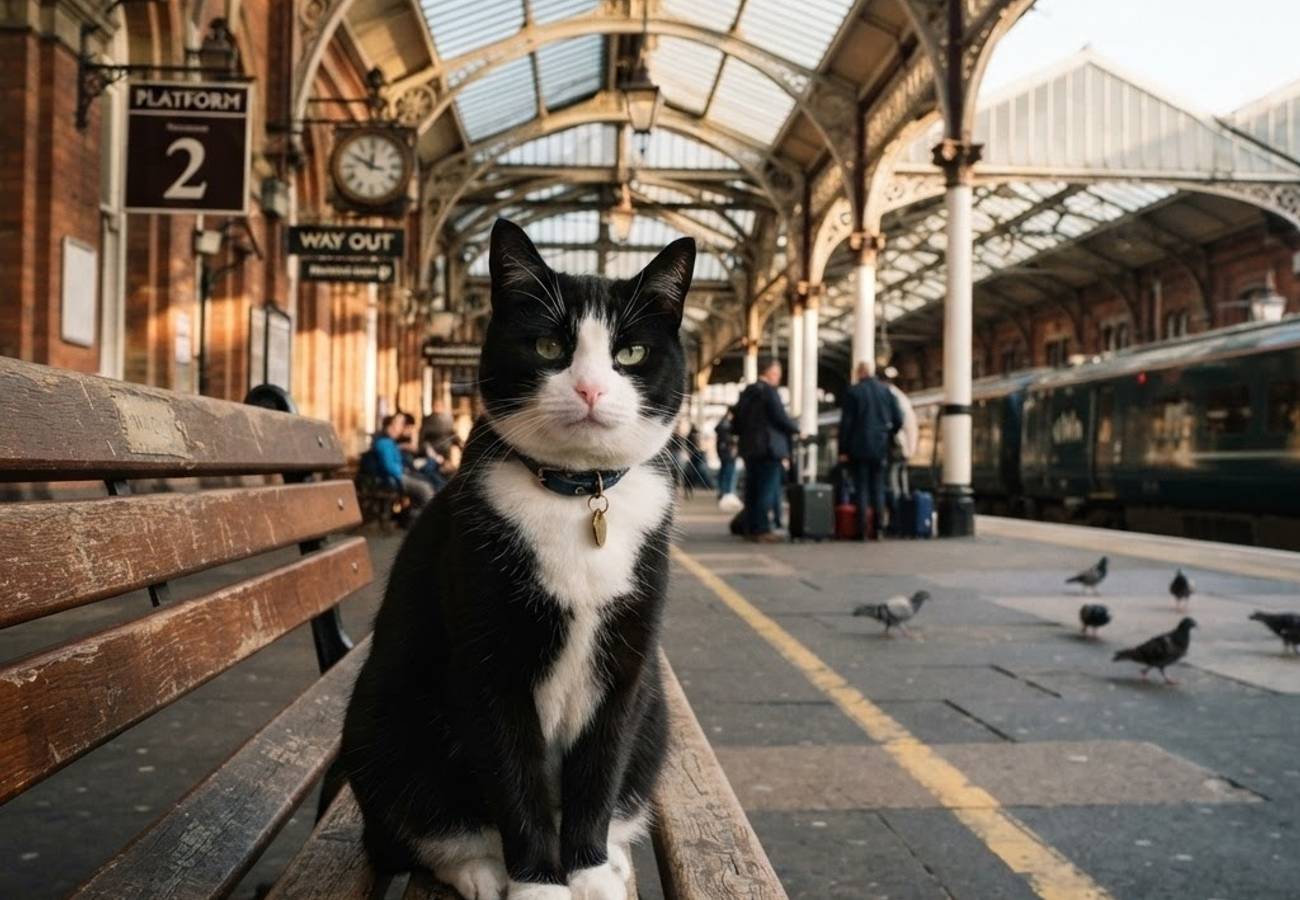
Image generated by AI
Sutton Coldfield railway station in the West Midlands has formally appointed a resident feline, Betty Junior, to its operational team to spearhead rodent control and elevate the daily experience for thousands of commuters.
The appointment of Betty Junior, a black-and-white cat already well-known to the local community, marks a strategic blend of traditional pest management and modern passenger relations. By granting the cat the semi-official title of “junior mouse catcher,” station authorities are leveraging a historic British railway tradition to maintain the integrity of the station's infrastructure while adding a layer of community charm to the commute.
Feline Recruitment for West Midlands Transit Hub
Reports from community forums and local sources indicate that Betty Junior has transitioned from an unofficial visitor to an acknowledged member of the station's environment management strategy. This move aligns with a long-standing practice across the United Kingdom, where cats have been deployed at rail premises to protect critical electrical wiring, building fabrics, and food storage from rodent damage.
Sutton Coldfield serves as a vital node on the Cross-City Line, facilitating the flow of passengers between Birmingham and Lichfield. As rail usage recovers toward pre-pandemic levels, the station faces the ongoing challenge of maintaining a Victorian-era facility. The architectural characteristics of the 19th-century building—including deep voids and porous brickwork—create natural habitats for mice and rats, necessitating a consistent and multi-layered approach to pest control.
While the "junior mouse catcher" designation is light-hearted, the operational goal is clear: reducing the presence of pests in a way that is humane and environmentally sustainable. Passengers frequently report seeing Betty Junior patrolling the platforms and concourse, turning a routine transit stop into a point of social interaction.
Managing Pest Challenges in Heritage Rail Architecture
The integration of Betty Junior highlights the systemic difficulties of managing heritage sites within a modern transport network. Ornate Victorian structures, while aesthetically prized, are notoriously difficult to seal against vermin. Gaps in roof spaces and under-platform voids often render standard chemical or mechanical traps insufficient on their own.
Industry standards for railway pest management generally involve a combination of professional contracting, strict waste disposal protocols, and the removal of clutter. The introduction of a resident predator adds a biological deterrent to this mix. Even in the absence of active hunting, the scent and pheromones of a cat can alter rodent behavior, discouraging them from nesting in high-traffic passenger areas.
At Sutton Coldfield, the feline presence is designed to complement, not replace, professional services. The station's layout, which includes a concourse and various commercial outlets—such as a popular independent coffee shop—creates an environment where a visible deterrent is particularly valuable during the early morning and late evening hours when human staffing levels are at their lowest.
Enhancing Passenger Satisfaction and Rail Recovery
The formal recognition of Betty Junior arrives at a pivotal time for the UK rail network. As operators work to lure commuters back to the tracks, there is an increasing emphasis on "soft" improvements to the passenger experience. This includes enhancing the perceived safety, cleanliness, and overall atmosphere of the station.
For a commuter hub like Sutton Coldfield, small improvements in the station's "vibe" can have a tangible impact on passenger loyalty. A welcoming environment can nudge occasional travelers to choose the train over a private vehicle, contributing to broader regional goals regarding air quality and traffic congestion in the Birmingham area.
Evidence from similar "station cat" initiatives across the UK suggests that animal mascots can significantly reduce travel anxiety for infrequent or stressed passengers. By introducing a sense of personality and local character to the infrastructure, the station transforms from a sterile transit point into a community landmark.
Animal Welfare and Community Integration
The local response to Betty Junior’s appointment has been overwhelmingly positive, with residents praising the cat's calm demeanor around large crowds. However, the transition to a "working" animal in a public space brings specific welfare requirements.
Industry best practices for resident animals in transport hubs necessitate:
- Regular veterinary screenings and up-to-date vaccinations.
- Mandatory microchipping for identification and safety.
- Designated "safe zones" where the animal can retreat from the noise and stress of the platforms.
- Coordinated feeding schedules managed by volunteers or nearby business owners to prevent obesity or dependence on passenger scraps.
While the specific care plan for Betty Junior remains an internal arrangement, the public visibility of the role encourages a broader conversation about the ethical treatment of animals in public service roles.
The Rise of Feline Staff in Public Infrastructure
Betty Junior is part of a wider trend across British transport hubs where cats have evolved into local celebrities. From London's major terminals to rural halts, these animals often develop their own social media followings and become catalysts for charitable fundraising.
These mascots offer transport authorities a low-cost method of humanizing their brand. By associating a sterile environment with a friendly animal, rail operators can appeal to families and younger demographics, making the act of commuting feel less like a chore and more like a community experience.
The case of Sutton Coldfield demonstrates how traditional solutions—like the use of cats for rodent control—can be rebranded to meet 21st-century expectations of customer experience and community identity.
As the railway evolves, the presence of a four-legged patrol officer ensures that the charm of the past remains a functional part of the future.
Related Travel Guides
Disclaimer
This article is for informational and educational purposes only. It does not constitute legal, financial, or professional advice. While we strive to provide accurate and up-to-date information, travel policies, regulations, and conditions change rapidly. Always verify information with official sources before making travel decisions. Nomad Lawyer makes no representations about the accuracy, reliability, completeness, or suitability of the information provided. Readers should consult qualified professionals for advice specific to their circumstances. The views expressed in this article are those of the author and do not necessarily reflect the views of Nomad Lawyer.
Kunal K Choudhary
Co-Founder & Contributor
A passionate traveller and tech enthusiast. Kunal contributes to the vision and growth of Nomad Lawyer, bringing fresh perspectives and driving the community forward.
Learn more about our team →