
Bolivia Amazon Tourism Growth: Madidi National Park Community Eco-Lodges Drive 2026 Wildlife Travel
Bolivia's Madidi National Park is seeing a surge in eco-tourism as Indigenous-owned lodges in Rurrenabaque redefine Amazonian wildlife adventures through community-led conservation and sustainable hospitality models.

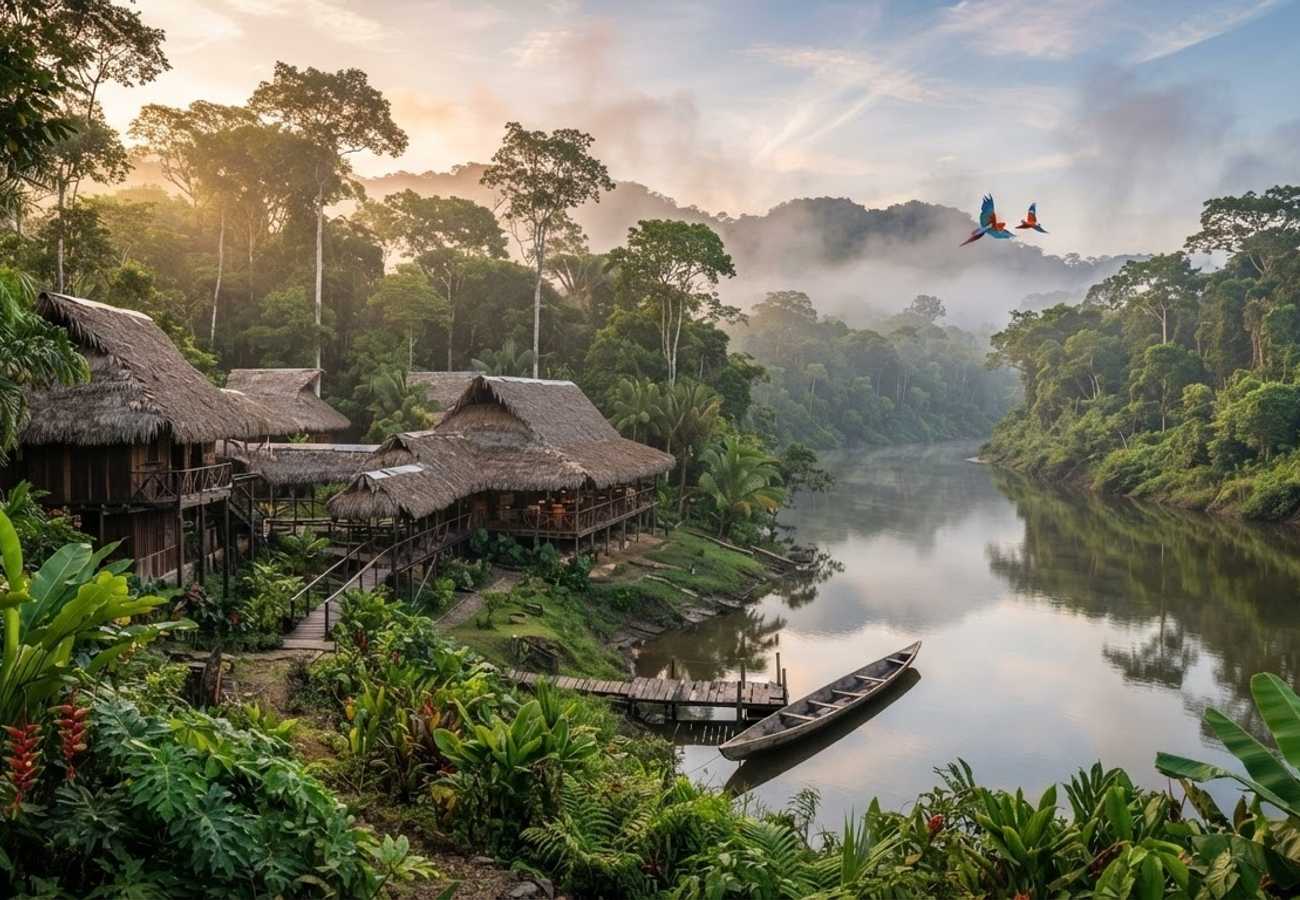
Image generated by AI
Bolivia is witnessing a significant shift in its tourism profile as Madidi National Park and the gateway town of Rurrenabaque emerge as primary hubs for high-biodiversity wildlife travel. Unlike traditional resort-heavy destinations, the Madidi region utilizes a community-centric business model where Indigenous-owned lodges and local guides manage the rainforest landscape.
This operational structure ensures that revenue from international visitors flows directly into local economies while maintaining strict environmental protections. Key operators such as Chalalán Ecolodge, San Miguel del Bala, Madidi Jungle, and Mashaquipe have shifted the Amazonian experience from passive sightseeing to active cultural and ecological immersion.
The Rurrenabaque Gateway and Regional Integration
The logistical entry point for this region is Rurrenabaque. This town is not merely a transit stop but a critical node in the Rurrenabaque–Madidi–Pampas tourism destination. This network spans five municipalities, two national protected areas, and several Indigenous territories.
To maintain quality and sustainability, the destination is managed by a sustainable tourism council and holds international Biosphere certification. For the traveler, this means a seamless transition from the town's infrastructure to boat-accessed community lodges embedded deep within the rainforest.
Indigenous-Led Hospitality Models
The distinction of Madidi lies in its ownership structure. Community-run ecolodges employ guides with ancestral ties to the land, offering a depth of interpretation that external operators cannot replicate.
- San Miguel del Bala: An Indigenous-owned lodge that integrates nature excursions with Tacana cultural education.
- Chalalán Ecolodge: Located by Chalalán Lagoon, this lodge was built by the San José de Uchupiamonas community using traditional construction methods and local materials.
- Madidi Jungle Ecolodge: A low-impact venture focused on improving community livelihoods while protecting the biodiversity of the national park.
Wildlife and Specialized Excursions
The primary driver for visitor growth is the region's exceptional biological diversity. The tourism product is built around three core wildlife experiences:
- Specialized Birdwatching: Local operators provide targeted excursions to identify rainforest species across diverse forest environments.
- Night Walks: Excursions led by lodges like Corazón del Madidi allow visitors to encounter nocturnal amphibians, insects, and birds, providing a stark contrast to daytime hiking.
- Ecological Interpretation: Guided forest walks focus on medicinal plants and the complex symbiotic relationships within the Amazonian ecosystem.
Regional Tourism Timeline and Data
The growth of the region is supported by a long-term strategic framework aimed at diversifying the tourism offering across the Pampas and Madidi regions.
| Year/Period | Milestone/Statistic |
|---|---|
| 1995 | Establishment of Madidi National Park as a protected area |
| 1999 | Chalalán Ecolodge begins community-based operations |
| 2004–2018 | Average of 7,000 annual visitors to Madidi (Identidad Madidi data) |
| 2011 | Opening of Madidi Jungle Ecolodge |
| 2018–2027 | Implementation of the regional strategic tourism plan |
Why This Matters: Industry Analysis
From a logistical and market perspective, Madidi represents a successful pivot away from "mass tourism" toward "value tourism." By removing the middleman—large international hotel chains—and placing ownership in the hands of the San José de Uchupiamonas and Tacana people, Bolivia is creating a high-barrier-to-entry product that appeals to the modern, conscious traveler.
Our analysis of the route map suggests that Rurrenabaque is evolving from a simple jumping-off point into a sophisticated hub for sustainable travel. For the aviation and travel industry, this indicates a growing demand for niche, low-impact destinations that prioritize "Information Gain"—where the traveler learns specific indigenous knowledge rather than visiting generic landmarks. The reliance on boat transport and community lodges limits over-tourism, ensuring the "wild" nature of the destination remains intact, which ironically increases its market value.
Forward Outlook
The 2018–2027 strategic tourism plan is currently in its final phase. We expect to see a further diversification of the Rurrenabaque–Madidi–Pampas corridor, potentially introducing more specialized scientific tourism and photography-centric itineraries. As global travelers increasingly seek "regenerative travel" (leaving a place better than they found it), the Madidi model of direct community funding for conservation will likely become a blueprint for other Amazonian regions.
The shift toward Indigenous-led conservation proves that biodiversity protection is most effective when the local population is the primary economic beneficiary.
Related Travel Guides
Disclaimer
This article is for informational and educational purposes only. It does not constitute legal, financial, or professional advice. While we strive to provide accurate and up-to-date information, travel policies, regulations, and conditions change rapidly. Always verify information with official sources before making travel decisions. Nomad Lawyer makes no representations about the accuracy, reliability, completeness, or suitability of the information provided. Readers should consult qualified professionals for advice specific to their circumstances. The views expressed in this article are those of the author and do not necessarily reflect the views of Nomad Lawyer.
Kunal K Choudhary
Co-Founder & Contributor
A passionate traveller and tech enthusiast. Kunal contributes to the vision and growth of Nomad Lawyer, bringing fresh perspectives and driving the community forward.
Learn more about our team →