
Mongolia Adventure Tourism Surge: 856,636 International Visitors Hit by October 2026
Mongolia's adventure tourism sector is expanding rapidly, with international arrivals surpassing 2025 totals by October 2026, driving growth in remote hubs like Ölgii and Dalanzadgad.

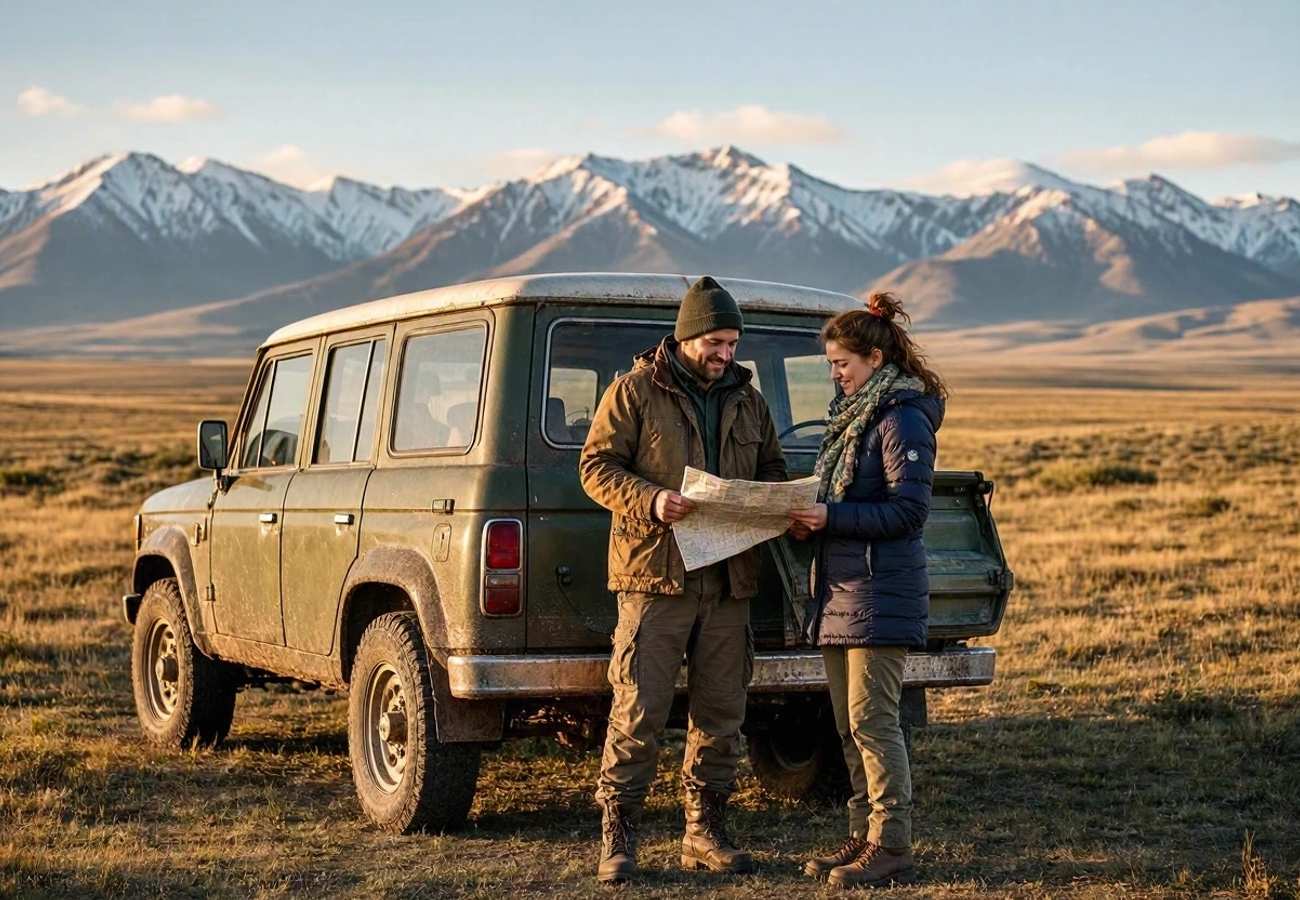
Image generated by AI
856,636 international visitors arrived in Mongolia by October 6, 2026, already eclipsing the total of 847,170 arrivals recorded for the entirety of 2025. This surge indicates a rapid shift in traveler preference toward "untamed" destinations, moving beyond the capital city of Ulaanbaatar into the high-altitude peaks of the west and the arid expanses of the south.
The Decentralization of Mongolian Tourism
While Ulaanbaatar remains the primary entry point for the vast majority of foreign nationals, the 2026 data reveals a strategic push toward regional diversification. The Mongolian government and local operators are pivoting away from centralized urban tourism to leverage the country's geographical extremes. This shift is not merely about sightseeing but is focused on high-value adventure niches: glacier trekking in the Altai, paleontological exploration in the Gobi, and taiga expeditions in the north.
For the modern nomad or adventure traveler, this means the logistical center of gravity is shifting. Cities like Ölgii and Dalanzadgad are no longer just remote outposts but are functioning as critical operational hubs where gear, guides, and permits are secured before venturing into the wilderness.
Regional Adventure Hubs and Logistics
The current growth is concentrated in specific gateways that provide access to Mongolia's most demanding terrains. The following table breaks down the primary hubs and their specific draw for the 2026 travel season.
| Gateway City | Region | Primary Adventure Draw | Strategic Significance |
|---|---|---|---|
| Ulaanbaatar | Central | Gorkhi-Terelj National Park | Main international arrival point |
| Ölgii | West | Altai Tavan Bogd / Khüiten Peak | High-altitude & eagle hunting hub |
| Dalanzadgad | South | Gobi Desert / Flaming Cliffs | Desert expedition base |
| Mörön | North | Lake Khövsgöl / Taiga | Northern transport & supply hub |
| Khatgal | North | Lake Khövsgöl / Ice activities | Direct lakeside adventure base |
| Kharkhorin | Central | Orkhon Valley | Cultural and outdoor tourism |
| Tsetserleg | Central | Khangai Mountains | Nature and hot springs base |
| Khovd | West | Altai Landscapes | Developing western gateway |
| Ulaangom | Northwest | Uvs Nuur Basin | Conservation & birdwatching |
| Bayankhongor | South-Central | Khangai Foothills | Remote overland expeditions |
Expert Analysis: The "Wild Side" Economic Shift
The jump from 847,170 visitors in 2025 to over 856,000 in just ten months of 2026 suggests a fundamental change in the destination's market positioning. Mongolia is successfully transitioning from a "bucket list" curiosity to a scalable adventure product.
For travelers booking these routes, the direct consequence is a tightening of available high-end guides and specialized 4x4 rentals. As volume increases, the "off-the-beaten-path" nature of these trips is under pressure. We are seeing a transition from spontaneous exploration to organized, itinerary-based tourism.
The pricing pressure this creates means that early booking is no longer optional for expeditions to Khüiten Peak (4,374 meters) or the Flaming Cliffs. Furthermore, the reliance on regional hubs like Mörön for supplies indicates that while the "wild" appeal remains, the logistical backbone is becoming more formalized. Travelers should coordinate with the Ministry of Tourism or check regulations via the International Air Transport Association (IATA) for updated entry and regional flight requirements.
From a legal and safety perspective, the increase in visitors to remote areas like the Gobi Desert—where extreme temperatures and limited services prevail—increases the liability for operators. Travelers must ensure their insurance covers "high-risk" activities and remote medical evacuation, as the infrastructure in places like Dalanzadgad is designed for transit, not comprehensive emergency medical care.
Key Takeaways
- Volume Growth: Mongolia surpassed its total 2025 visitor count (847,170) by October 6, 2026, reaching 856,636 arrivals.
- High-Altitude Hub: Ölgii is the essential gateway for those targeting Khüiten Peak (4,374m) and Altai Tavan Bogd National Park.
- Desert Logistics: Dalanzadgad serves as the primary launch point for Gobi Desert expeditions, including the Flaming Cliffs and Yolyn Am.
- Northern Access: Mörön acts as the logistics center for Lake Khövsgöl, while Khatgal provides direct lakeside access for kayaking and winter ice activities.
- Risk Factor: Remote expeditions require professional 4x4 planning and specialized guides due to extreme climate volatility and sparse infrastructure.
FAQ: Mongolia Adventure Travel 2026
What is the best gateway for hiking in Mongolia? Ölgii is the premier gateway for serious mountaineers and hikers, providing access to the Altai Tavan Bogd National Park and the country's highest point, Khüiten Peak.
How do I get to the Gobi Desert? Most travelers use Dalanzadgad as their primary base. From there, guided 4x4 expeditions are the only viable way to reach the Flaming Cliffs and Khongoryn Els dunes.
Is Lake Khövsgöl accessible in winter? Yes, Khatgal is a popular base for winter activities. Travelers can engage in ice-based adventures and visit reindeer-herding communities in the surrounding taiga.
Do I need a guide for remote Mongolian regions? Absolutely. Due to the lack of road signage and extreme terrain in regions like Bayankhongor or the Altai mountains, professional guides and satellite communication are essential for safety.
The frontier is shrinking, but the scale of Mongolia ensures the wild remains for those willing to venture beyond the capital.
Related Travel Guides
Disclaimer
This article is for informational and educational purposes only. It does not constitute legal, financial, or professional advice. While we strive to provide accurate and up-to-date information, travel policies, regulations, and conditions change rapidly. Always verify information with official sources before making travel decisions. Nomad Lawyer makes no representations about the accuracy, reliability, completeness, or suitability of the information provided. Readers should consult qualified professionals for advice specific to their circumstances. The views expressed in this article are those of the author and do not necessarily reflect the views of Nomad Lawyer.
Naina Thakur
Contributor & Travel Specialist
Travel enthusiast and legal writer covering visa regulations, responsible tourism, and cultural journeys across global destinations.
Learn more about our team →