
Australia Leverages Film Tourism and Regional Escapes to Diversify International Travel in 2026
Australia is evolving its tourism strategy by linking iconic cinematic locations and urban hubs to regional wilderness, encouraging international visitors to venture beyond the major cities.

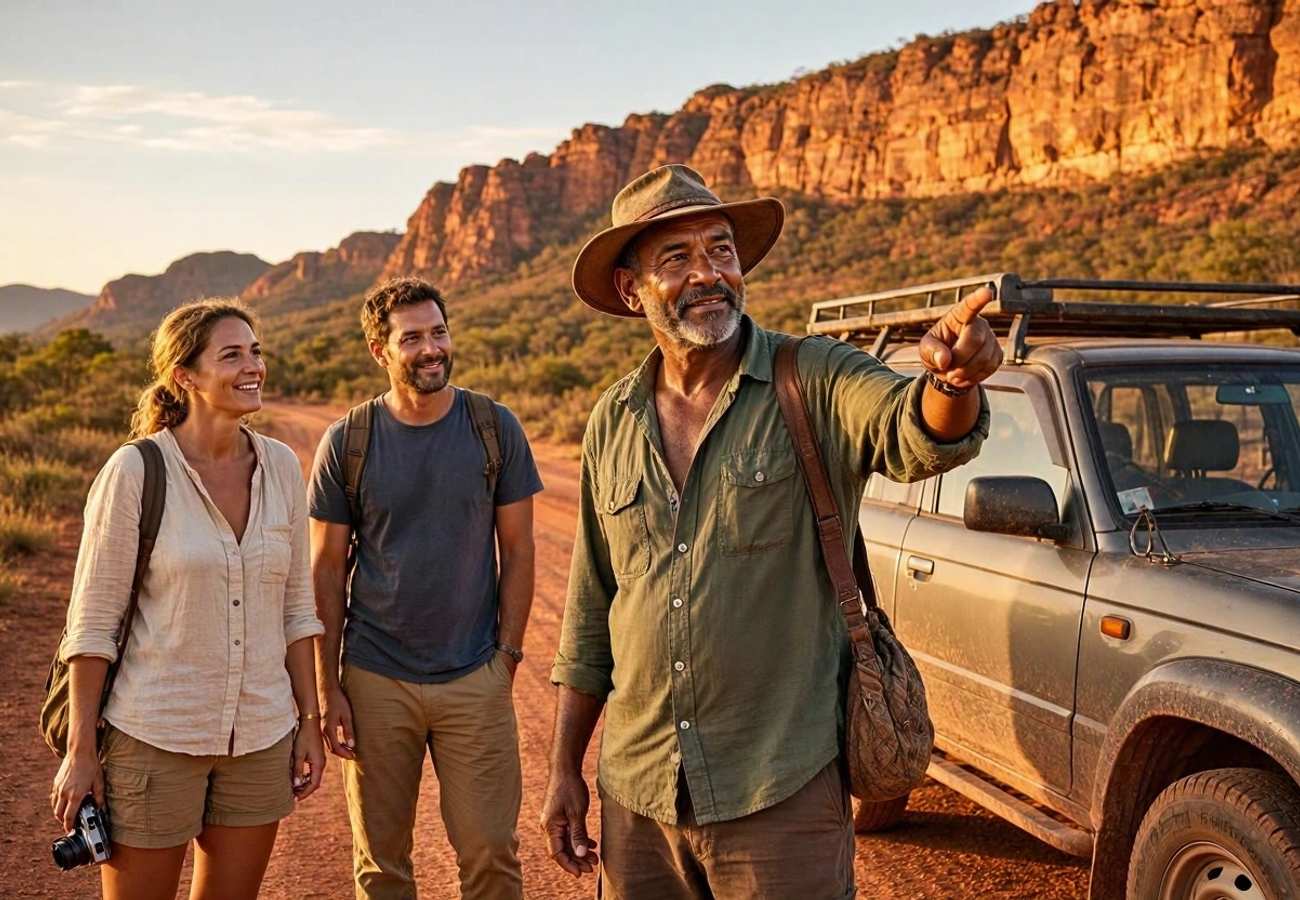
Image generated by AI
The enduring global legacy of Crocodile Dundee continues to drive visitors toward the Northern Territory, specifically Kakadu National Park, decades after the film's release. This phenomenon is the cornerstone of a broader 2026 strategy by Tourism Australia to convert "screen magic"—the allure of film and television locations—into tangible economic growth for regional communities far removed from the city lights of Sydney or Melbourne.
The Shift Toward Screen-Inspired Exploration
Australia is no longer relying solely on the magnetism of its harbor bridges and opera houses. The current trend involves "destination storytelling," where the government and local tourism boards use the visual recognition of cinema to bridge the gap between metropolitan gateways and the rugged interior. By leveraging the emotional connection audiences have with on-screen landscapes, Australia is attempting to lengthen the average international itinerary.
The goal is a strategic migration of foot traffic. While the major cities provide the initial hook, the new marketing push directs travelers toward the Barrington Coast, the Sapphire Coast, and the Top End. This shift aims to redistribute tourism wealth, ensuring that boutique hotels, regional eateries, and Indigenous-led tour operators in remote areas benefit from the influx of global travelers.
Regional Synergy: Mapping the Gateway Experience
The 2026 approach treats major cities not as final destinations, but as launchpads. For instance, Destination NSW is actively positioning Sydney as the starting point for journeys into the Shoalhaven and Port Stephens. Similarly, Melbourne is being marketed as the cultural anchor for those venturing toward the dramatic cliffs of the Great Ocean Road or the peaks of the Grampians.
In Queensland, the "Brisbane Favours the Bold" campaign is designed to highlight the city's contemporary edge while seamlessly linking it to the hinterland adventures of the Gold Coast and the tropical depths of Cairns.
Regional Tourism Connections and Focus Areas
| City/Gateway | State/Territory | Primary Screen or Cultural Hook | Regional Expansion Focus |
|---|---|---|---|
| Sydney | New South Wales | Opera House & Harbour Bridge | Byron Bay, Barrington Coast, Sapphire Coast |
| Melbourne | Victoria | Urban Laneways & Architecture | Great Ocean Road, The Grampians |
| Brisbane | Queensland | Riverside Precincts & Skyline | Gold Coast Hinterland, Sunshine Coast |
| Cairns | Queensland | Great Barrier Reef Gateway | Rainforests, Indigenous Cultural Tours |
| Darwin | Northern Territory | Crocodile Dundee / Kakadu | Top End Touring, Wildlife Parks |
| Adelaide | South Australia | Festival Culture & Urban Arts | Kangaroo Island, Wine Regions |
| Perth | Western Australia | Coastal Cityscape | Margaret River, Swan Valley, Fremantle |
| Hobart | Tasmania | Heritage Streetscapes | Wilderness Touring, Gastronomy |
| Canberra | ACT | National Galleries & Museums | Nature-based Capital escapes |
Visitor Insider Tips
To experience Australia through a local lens rather than a tour bus window, consider these strategic adjustments to your itinerary:
- The "Reverse Flow" Strategy: Most international tourists hit Sydney and Melbourne first. To avoid the heaviest crowds, start your trip in the Northern Territory or Tasmania and work your way toward the mainland hubs.
- Regional Transport Hacks: While flights are fast, renting a 4WD is the only way to truly access the screen-inspired locations in the Northern Territory and regional NSW. Ensure you have comprehensive insurance and a satellite communicator for remote stretches of the Top End.
- Etiquette in Indigenous Lands: When visiting Kakadu National Park or other Aboriginal cultural sites, always follow the guidance of local Traditional Owners. Some areas are sacred and restricted; respect the signage and avoid photography in prohibited zones.
- Dining Beyond the City: In regional Victoria and NSW, skip the hotel restaurants. Look for "farm-gate" stalls and local cooperatives, especially in the Sapphire Coast and Margaret River regions, for the freshest produce.
- Timing Your Visit: To avoid the oppressive heat of the North (Darwin/Cairns), visit between May and October. For the south (Melbourne/Sydney), the "shoulder seasons" of autumn (March-May) offer the best weather for regional road trips.
Cultural and Environmental Context
The push toward regional tourism is a double-edged sword. While it brings vital revenue to shrinking rural towns, it places increased pressure on fragile ecosystems. The UNESCO World Heritage sites, including the Great Barrier Reef and the Wet Tropics of Queensland, require strict visitor management to prevent degradation.
There is also a significant focus on "Authentic Storytelling." The transition from film-based tourism (which is often a stylized version of reality) to actual cultural immersion is a priority. This means moving away from "Hollywood" stereotypes and toward genuine Indigenous-led experiences that educate visitors on the complex history and living culture of First Nations people. By integrating these experiences into the regional marketing strategy, Australia is attempting to ensure that tourism serves as a tool for cultural preservation rather than just a commercial product.
FAQ: Visiting Australia 2026
What is the best time to visit regional Australia? For the Northern Territory and Queensland, the dry season (May to October) is ideal. For New South Wales, Victoria, and Tasmania, spring (September to November) and autumn (March to May) provide mild weather and fewer crowds than the summer peak.
Do I need a visa for Australia? Yes, most international visitors require a visa or an Electronic Travel Authority (ETA). You should apply through the official Australian Government Department of Home Affairs website well in advance of your flight.
How do I get from Sydney to regional NSW destinations like Byron Bay? While you can fly into Ballina, the best way to experience the coast is by renting a car from Sydney. The drive takes approximately 8-10 hours, but stopping at the Sapphire Coast or Port Stephens along the way is highly recommended.
Is it safe for solo travelers to explore the regional interior? Generally yes, but caution is required in remote areas. Always notify someone of your itinerary, carry extra water and fuel, and avoid driving at night in regional areas due to wildlife (kangaroos and livestock) on the roads.
Stop chasing the postcards and start following the stories.
Related Travel Guides
Disclaimer
This article is for informational and educational purposes only. It does not constitute legal, financial, or professional advice. While we strive to provide accurate and up-to-date information, travel policies, regulations, and conditions change rapidly. Always verify information with official sources before making travel decisions. Nomad Lawyer makes no representations about the accuracy, reliability, completeness, or suitability of the information provided. Readers should consult qualified professionals for advice specific to their circumstances. The views expressed in this article are those of the author and do not necessarily reflect the views of Nomad Lawyer.
Raushan Kumar
Founder & Lead Developer
Full-stack developer with 11+ years of experience and a passionate traveller. Raushan built Nomad Lawyer from the ground up with a vision to create the best travel and law experience on the web.
Learn more about our team →