
Florida Once Thriving Mineral Springs Resort Now Historic Park
Florida's abandoned wellness resort now operates as a historic park in 2026, preserving the state's golden age of mineral springs tourism and early 20th-century spa heritage.

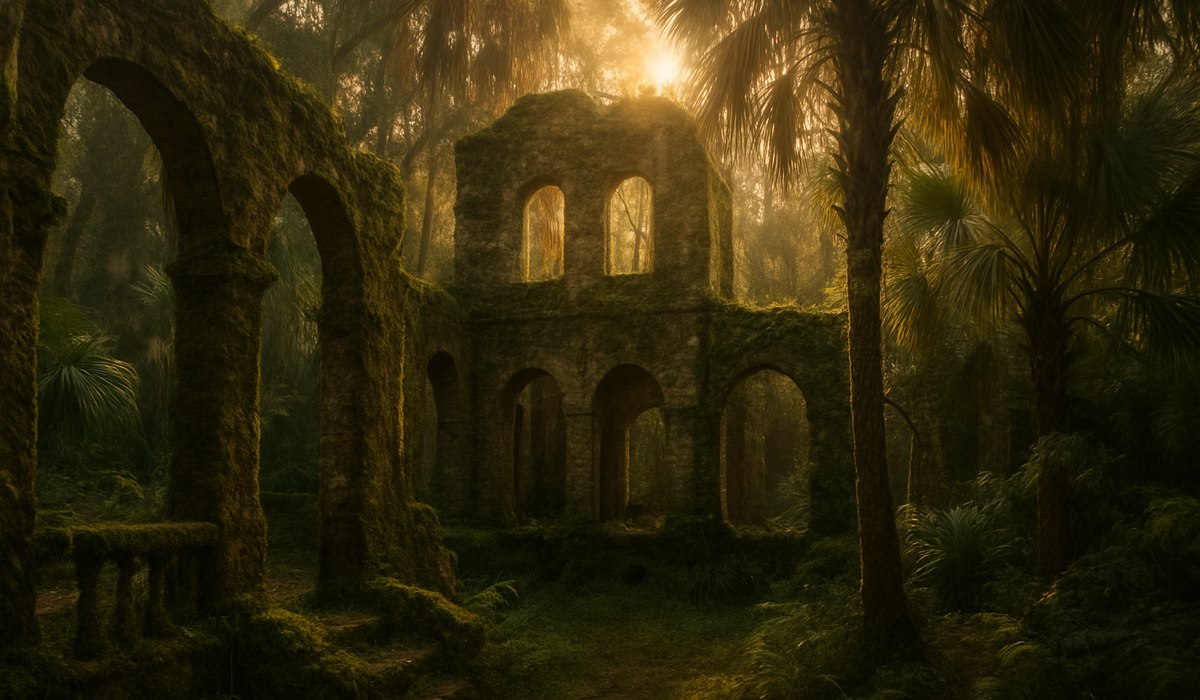
Image generated by AI
Florida's Crumbling Wellness Icon Transforms Into Living History Destination
Florida's once thriving mineral springs resort stands frozen in time, its weathered stone structures now anchoring one of the state's most evocative historic parks. What was once a bustling wellness destination drawing visitors from across America has become an open-air museum documenting the zenith of early 20th-century spa culture. The abandoned resort's architectural remnants tell stories of luxury, optimism, and the transformative power that Floridians once believed natural mineral waters possessed.
This transition from thriving hospitality venue to preserved historical site reflects broader shifts in American travel preferences and the rise of modern wellness standards. For contemporary travelers seeking authentic historical experiences, the park offers unparalleled access to authentic-period architecture and genuine artifacts from an era when Florida was America's frontier for health tourism.
The Rise and Fall of Florida's Mineral Springs Boom
Florida's golden age of mineral springs wellness tourism exploded during the 1890s through 1920s. Entrepreneurs recognized that the state's abundant natural springs contained mineral-rich waters believed to cure everything from arthritis to fatigue. Wealthy Northern visitors traveled south by rail, eager to experience the purported healing properties of these geothermal wonders.
The mineral springs resorts represented cutting-edge hospitality. They featured grand Victorian and Mediterranean Revival architecture, luxurious bathing facilities, manicured gardens, and recreational amenities. Guests stayed for weeks, consuming mineral water, bathing in naturally heated pools, and enjoying the subtropical climate. Major publications promoted Florida's wellness credentials, transforming remote springs into destinations rivaling European spas.
However, the Great Depression devastated the industry. Post-war prosperity shifted visitor attention toward emerging beach resorts and modern amenities. By mid-century, mineral springs tourism had virtually disappeared. The once-magnificent resort fell into disrepair, its grand vision abandoned as newer hospitality concepts captured travelers' imaginations and investment capital dried up.
Exploring the Haunting Ruins Today
The abandoned resort's stone foundations, arched entryways, and fractured columns create an atmosphere of melancholic beauty. Visitors encounter crumbling bathhouse structures, partially intact fountains, and scattered architectural fragments that hint at previous grandeur. Mature oak trees now shade grounds that once bustled with guests seeking rejuvenation.
The park preserves approximately eight major structural remnants spanning several acres. Walking trails connect significant buildings, allowing visitors to reconstruct the property's original layout mentally. Interpretive signage explains architectural features, historical context, and daily life during the wellness resort's operational years. Photography enthusiasts find endless compelling compositions among the ivy-covered stones and dappled light filtering through massive trees.
The experience feels genuinely haunted—not by supernatural presence, but by absence itself. Visitors confront tangible reminders of vanished prosperity, abandoned dreams, and humanity's shifting priorities. This emotional impact distinguishes the site from conventional historical museums or preserved hotels, creating memorable encounters with authentic decay and historical weight. For details on visiting, check the official historic park website.
What the Abandoned Resort Reveals About Early 20th-Century Travel
The resort's architecture communicates sophisticated understanding of hospitality design and luxury expectations during its operational period. Grand colonnades, elaborate water management systems, and deliberately positioned structures reveal how proprietors understood guest comfort and aesthetic experience.
The wellness focus reflected genuine scientific beliefs about mineral water properties. Contemporary medical practitioners recommended mineral springs treatment for countless ailments. Visitors traveled expecting tangible health improvements, not mere relaxation. Marketing materials promised specific therapeutic outcomes, distinguishing wellness tourism from recreational travel.
The resort's abandonment illustrates how quickly cultural preferences and scientific understanding shift. As modern medicine advanced and alternative wellness claims faced skepticism, the mineral springs narrative lost cultural authority. What seemed revolutionary in 1910 appeared quaint by 1960. The physical remains stand as testament to how thoroughly forgotten yesterday's certainties can become tomorrow's curiosities.
What Guests Get
Visitors to this historic park experience authentic architectural preservation, interpretive historical narrative, and contemplative natural surroundings. The site offers free or minimal-cost admission, making it accessible to diverse audiences. Photography opportunities abound throughout the grounds. Picnic areas accommodate families seeking outdoor recreational experiences. The park connects seamlessly to broader Florida travel itineraries, requiring minimal detour for history-focused travelers.
The experience emphasizes authentic historical preservation over reconstructed fantasy. Guests encounter genuine ruins rather than sanitized recreations, producing more powerful emotional and educational impact. Walking trails accommodate various fitness levels. Shaded seating areas provide respite during hot Florida afternoons. Guided tours occasionally operate, adding professional interpretation for travelers seeking detailed historical context.
Planning Your Visit to This Historic Site
The park operates year-round, though spring and fall offer optimal weather conditions. Winter months attract Northern visitors fleeing harsh climates, occasionally creating modest crowds. Summer heat and humidity test visitor endurance, though early morning visits mitigate temperature challenges. Most visitors allocate one to two hours for adequate site exploration and photographic opportunities.
Parking typically remains abundant except during special historical events or weekends. The property accommodates wheelchairs along primary pathways, though uneven terrain limits complete accessibility. Nearby towns offer dining and lodging options, eliminating overnight camping requirements. Combining the mineral springs park with regional attractions—state forests, artesian springs, historic downtowns—creates compelling multi-day itineraries exploring Florida's natural and cultural heritage.
| Aspect | Details |
|---|---|
| Historical Period | 1890s–1940s operational years |
| Primary Architecture | Victorian and Mediterranean Revival styles |
| Current Status | Historic park with preserved ruins |
| Admission Cost | Free to minimal fee (verify current rates) |
| Visit Duration | 1–2 hours typical |
| Accessibility | Wheelchair accessible on primary pathways |
| Guided Tours | Occasional, schedule seasonally |
| Photography | Permitted for personal use |
| Facilities | Picnic areas, restrooms, parking |
| Peak Season | October–April (comfortable temperatures) |
What This Means for Travelers
This historic park represents a crucial shift in how contemporary travelers engage with heritage tourism. Rather than experiencing curated museum environments, visitors confront unfiltered historical reality—structures succumbing to time, landscapes reclaiming built environments, and authentic deterioration. This approach generates more authentic emotional connections than reconstructed villages or theme park approximations.
Actionable takeaways for planning your visit:
-
Allocate dedicated time for this site within broader Florida itineraries; rushing diminishes the contemplative experience
-
Visit during cooler months (October–April) to maximize comfort and photographic quality
-
Arrive early in the day for optimal light conditions and minimal crowds
-
Combine with nearby natural attractions like state forests or artesian springs for comprehensive regional exploration
-
Review current park hours and admission fees before traveling, as operational details may change seasonally
-
Bring sturdy footwear for uneven terrain; stone pathways and exposed roots require careful navigation
-
Pack water and sun protection for extended outdoor exploration in subtropical conditions
FAQ
What was the mineral springs resort's original purpose? The resort capitalized on early 20th-century wellness tourism trends, offering guests purported health benefits from naturally heated, mineral-rich springs. Visitors stayed for extended periods believing the water treated arthritis, digestive issues, and various chronic conditions. The facility featured Victorian-era luxury amenities alongside bathing facilities designed to maximize exposure to therapeutic mineral water.
Why did the resort ultimately close? The Great Depression devastated the wellness tourism industry economically. Post-World War II Americans increasingly preferred beach resorts and modern accommodations over traditional spa destinations. As medical science advanced, mineral water claims faced skepticism, eliminating the wellness narrative that justified premium pricing and extended guest stays.
**
Disclaimer
This article is for informational and educational purposes only. It does not constitute legal, financial, or professional advice. While we strive to provide accurate and up-to-date information, travel policies, regulations, and conditions change rapidly. Always verify information with official sources before making travel decisions. Nomad Lawyer makes no representations about the accuracy, reliability, completeness, or suitability of the information provided. Readers should consult qualified professionals for advice specific to their circumstances. The views expressed in this article are those of the author and do not necessarily reflect the views of Nomad Lawyer.
Kunal K Choudhary
Co-Founder & Contributor
A passionate traveller and tech enthusiast. Kunal contributes to the vision and growth of Nomad Lawyer, bringing fresh perspectives and driving the community forward.
Learn more about our team →