
Finland Launches Hiljaa Fest 2026 at Valkmusa National Park: A Shift Toward Zero-Impact Nature Tourism
Finland introduces Hiljaa Fest 2026, a free 'Quietchella' event at Valkmusa National Park replacing traditional concerts with biodiversity-led experiences.

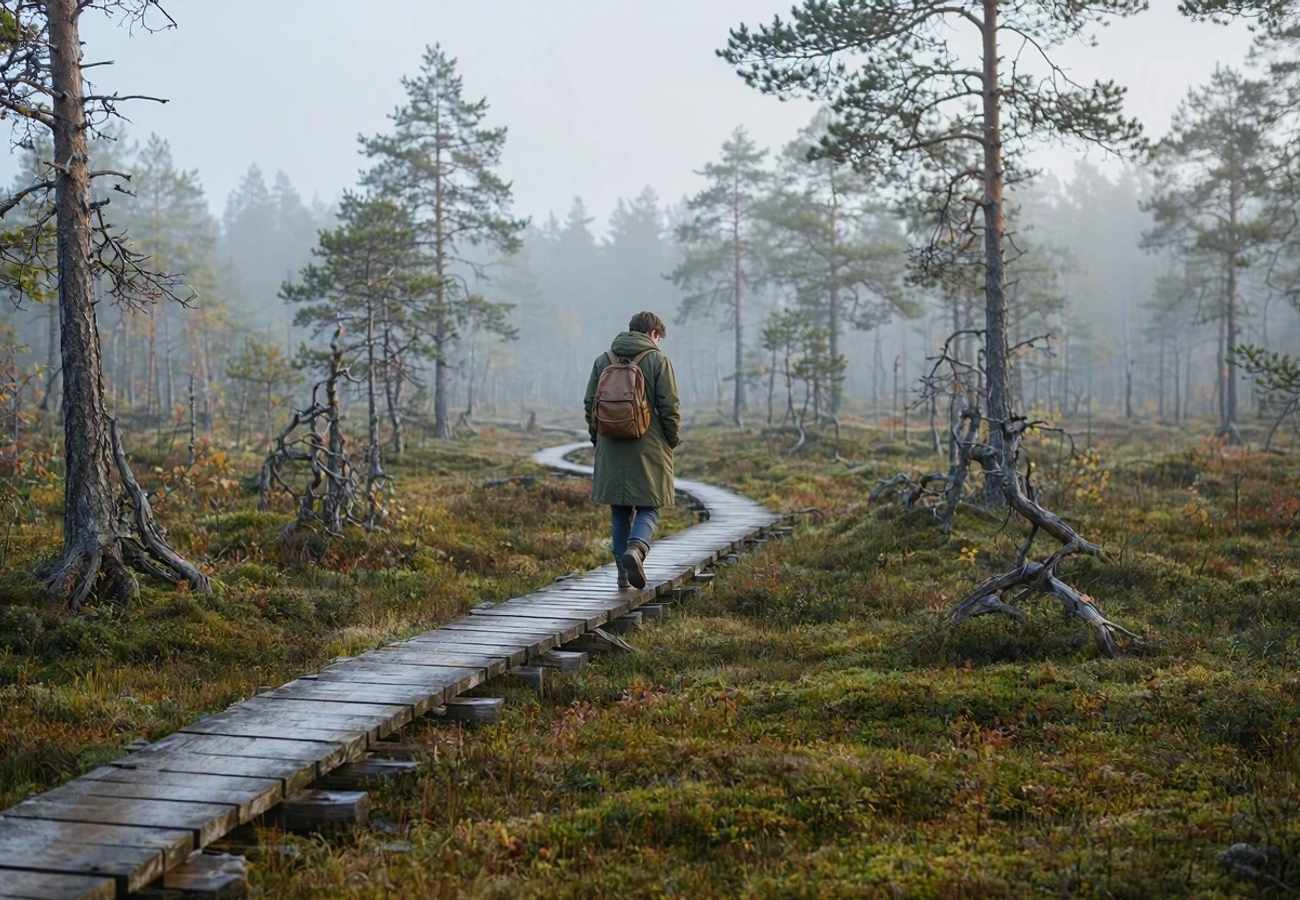
Image generated by AI
Traditional festival attendance often peaks with crowds of 50,000 to 100,000 people per event, yet Finland is pivoting toward a model where the primary "headliner" is a rare moth. Hiljaa Fest 2026, running from 10 to 31 October, represents a radical departure from the high-decibel, high-infrastructure event economy, offering a free, self-guided experience at Valkmusa National Park in Pyhtää.
The Trend in Numbers: Quietchella's Ecosystem
The event, colloquially termed "Quietchella," replaces amplified sound systems with 13 specific "natural performers" distributed across four designated zones. This shift reflects a broader movement toward regenerative tourism, where the goal is minimal footprint rather than maximum throughput.
The festival's structure is lean: it began on 10 October with a strictly limited invitation-only group of 30 participants before opening to the general public. Located approximately 90 minutes east of Helsinki, the event leverages the existing biodiversity of Valkmusa National Park—which contains roughly 40 distinct mire habitats—to attract international travelers seeking "slow travel" alternatives. According to the World Tourism Organization (UNWTO), there is an increasing global demand for nature-based tourism that prioritizes environmental integrity over commercial entertainment.
Comparative Context: Nature-Listening vs. Traditional Festivals
While standard festivals rely on artist contracts and stage construction, Hiljaa Fest utilizes the existing topography of the Pyhtää region. The "stages" are not platforms, but ecological zones. The contrast in resource allocation is stark: where a typical festival spends millions on acoustics and security, this model spends zero on performers, as the "acts" are biological entities like the Idaea muricata moth and black grouse.
Valkmusa National Park: Festival Zone Breakdown
| Festival Area | Primary Natural "Performers" | Core Visitor Experience |
|---|---|---|
| Räme Stage (1A) | Marsh Labrador tea, gnarled pines | Olfactory and visual forest exploration |
| Neva Stage (2B) | Sphagnum moss, sundew, berries, mist | Open mire acoustics and subtle sounds |
| Simonsaari Stage (3C) | Black grouse, cranes, lizards | High-altitude wildlife observation |
| Moronvuori Korpisuo Stage (4D) | Moronvuori cliffs | Rocky terrain and forest scenery |
This decentralized approach allows the International Air Transport Association (IATA) and regional tourism boards to promote "off-peak" autumn travel, spreading visitor density away from the summer surge and reducing the seasonal strain on Finnish infrastructure.
What This Means for Travelers
For those planning a visit to Southern Finland in Q4, the transition from urban Helsinki to the wetlands of Pyhtää requires specific logistical planning. Because the festival is self-guided and free, there is no centralized ticketing or concierge service.
Actionable Booking and Travel Advice:
- Transport: Renting a vehicle is essential. The drive from Helsinki takes roughly 90 minutes, and public transport does not provide direct access to the trail entrances.
- Gear Requirements: October in Finland is characterized by unpredictable precipitation and dropping temperatures. Waterproof footwear and moisture-wicking layers are non-negotiable for navigating the wooden boardwalks and forest paths.
- Expectation Management: Unlike a scheduled concert, wildlife sightings—particularly the rare Idaea muricata moth—are not guaranteed. Travelers should treat the event as a mindfulness exercise rather than a checklist of sightings.
- Accessibility: Be aware that the current routes are not suitable for those requiring mobility aids.
Forward Projection: The Rise of the "Silent Event"
The trajectory of Hiljaa Fest suggests a future where "eventization" is applied to conservation. By branding a national park visit as a "festival," Finland is successfully gamifying nature conservation to attract a demographic that typically seeks organized entertainment.
We expect to see a rise in similar "zero-infrastructure" events across the Nordic region. This model is highly scalable and carries almost no financial risk for the host government, as it utilizes existing protected lands. If the 2026 iteration maintains high visitor satisfaction without degrading the 40 mire habitats, we will likely see this "Quietchella" framework adopted by other European National Parks to manage autumn tourism flows.
FAQ: Hiljaa Fest 2026
Is there an admission fee for international visitors? No. Following the initial private opening on 10 October, the festival is free and open to all visitors exploring Valkmusa National Park.
Will there be any live music or stages? There are no traditional stages or musical acts. The "performances" consist of natural sounds, such as wind, birdsong, and the movement of vegetation.
How do I get to the festival from Helsinki? The most efficient method is a car rental, with a travel time of approximately 90 minutes to reach Pyhtää.
Can I see the featured rare moth? Sightings of the Idaea muricata are possible but not guaranteed due to the moth's seasonal activity and natural behavior.
The loudest experience in Finland this October may very well be the sound of absolute silence.
Related Travel Guides
Disclaimer
This article is for informational and educational purposes only. It does not constitute legal, financial, or professional advice. While we strive to provide accurate and up-to-date information, travel policies, regulations, and conditions change rapidly. Always verify information with official sources before making travel decisions. Nomad Lawyer makes no representations about the accuracy, reliability, completeness, or suitability of the information provided. Readers should consult qualified professionals for advice specific to their circumstances. The views expressed in this article are those of the author and do not necessarily reflect the views of Nomad Lawyer.
Preeti Gunjan
Contributor & Community Manager
A passionate traveller and community builder. Preeti helps grow the Nomad Lawyer community, fostering engagement and bringing the reader experience to life.
Learn more about our team →