
Australian Nature-Based Travel Trends 2027: Asia-Pacific Logistics and Outbound Demand
Analysis of the Hilton 2027 travel trends report and ABS data reveals a surge in Australian demand for nature-based wellness getaways across Indonesia, Japan, and New Zealand.

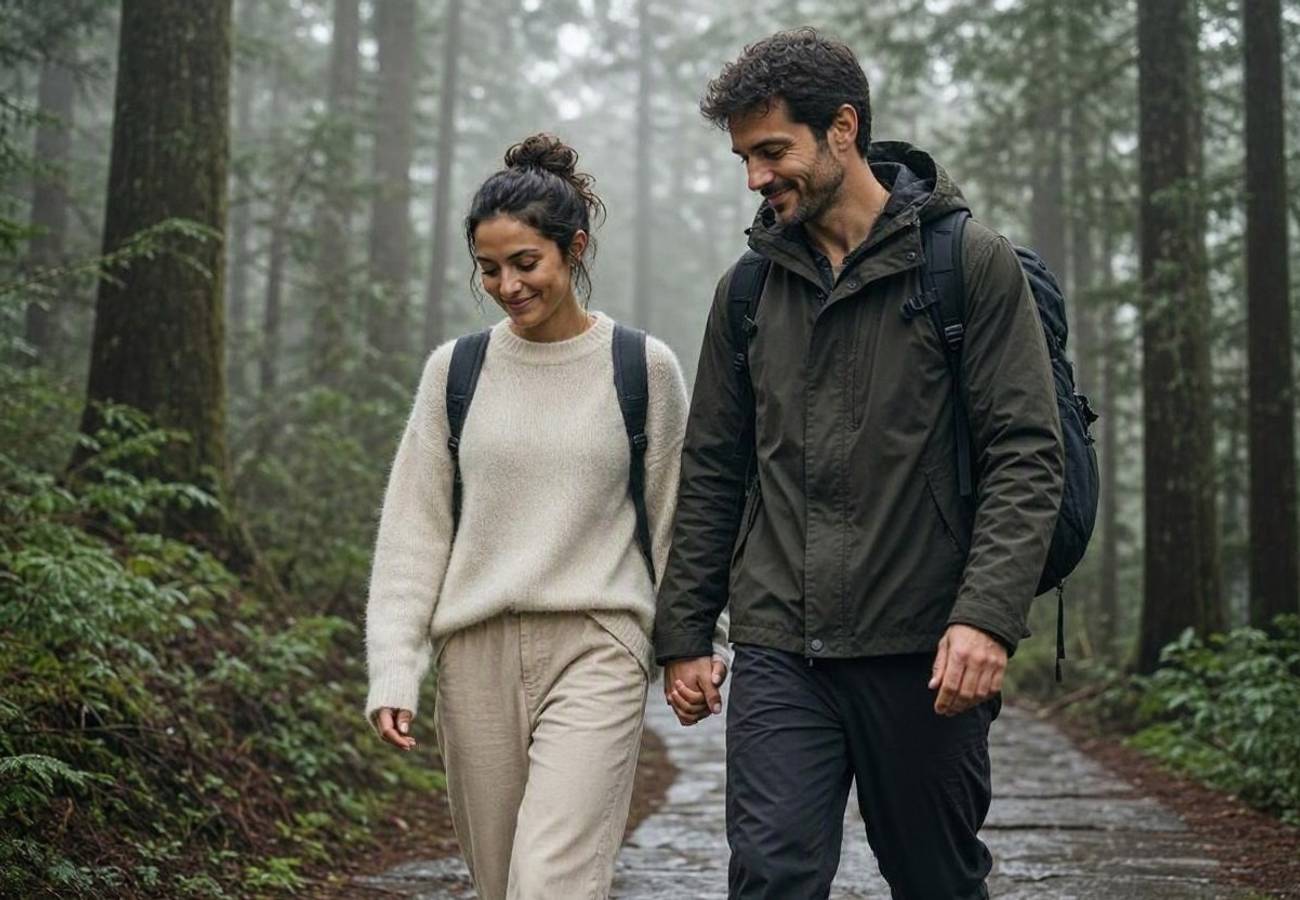
Image generated by AI
Are you planning a restorative getaway to the Asia-Pacific region in 2027? New data suggests a massive shift in how Australian travelers prioritize fresh air and outdoor immersion over traditional luxury stays.
The Shift Toward Nature-Based Wellness
Recent findings from the Hilton 2027 travel trends report, released on 29 September 2026, indicate that 75% of Australian travelers now view the outdoors and fresh air as fundamental to their relaxation. This is not merely about visiting a park; it is a move toward "restorative" travel. Research conducted by Morning Consult between 18 May and 1 June—surveying over 1,000 Australians as part of a larger 14,744-person global study—shows that 52% of these travelers spend more time in nature while on holiday than they do at home.
Furthermore, 71% of respondents link travel directly to physical and mental recharging, with 50% specifically seeking activities designed to restore bodily balance. This trend is mirrored across the broader region, where 76% of travelers across five Asia-Pacific markets identify outdoor access as a non-negotiable for relaxation.
Outbound Volume and Destination Data
While sentiment is high, the actual transit volume is tracked by the Australian Bureau of Statistics (ABS). In the 2025–26 financial year, Australians completed 12.7 million overseas trips, marking a 4% increase over the previous year. The primary corridors for these travelers are Indonesia, New Zealand, and Japan.
| Destination | Annual Trip Volume (2025-26) | Primary Nature Appeal | Status |
|---|---|---|---|
| Indonesia | 1.78 Million | Rainforests / Rice Terraces | High Growth |
| New Zealand | 1.49 Million | Alpine / Coastal Wilderness | Stable |
| Japan | 993,000 | Forest Bathing / Mountain Trails | Increasing |
Traveler Logistics Guide
For those transitioning from a standard city break to a nature-focused itinerary, the logistics change significantly. You are no longer just booking a hotel; you are booking access to protected environments.
1. Booking and Planning Strategies The Hilton report highlights a critical shift in trust: 74% of Australians now rely on hotel staff for travel planning rather than third-party agencies. If you are visiting spots like the Jatiluwih rice terraces or Bedugul rainforest via properties like Conrad Bali, coordinate your foraging and forest-bathing excursions directly through the concierge to ensure permit compliance and transport.
2. Managing Short-Break Itineraries There is a growing preference for "high-density" short trips. 58% of Australians now prefer itineraries that pack numerous experiences into a limited window. If you are planning a break of fewer than three to four days (which 78% of travelers define as a "short break"), prioritize destinations with airport-to-nature proximity to avoid losing 20% of your trip to ground transfers.
3. Domestic Benchmarking for Budgeting If you are budgeting for a nature trip, look at New South Wales (NSW) domestic data as a baseline for spending. In the year ending June 2026, 25.3 million domestic day-trip visitors spent A$4.3 billion on outdoor activities. Overnight visitors spent A$15.9 billion. While international costs differ, the ratio of "experience spend" versus "accommodation spend" is shifting upward.
4. Transit and Documentation Ensure your travel insurance covers "adventure" or "outdoor" activities, as nature-based travel often involves remote areas where medical evacuation is costly. Check the latest entry requirements via the Australian Department of Foreign Affairs and Trade (DFAT) to ensure your visa allows for the duration of your restorative stay.
Regional Connectivity Impact
The demand for nature-based holidays is reshaping how Asia-Pacific destinations market to the Australian sector. We are seeing a move away from "beach-only" packages toward integrated wellness. For example, the integration of forest-bathing into luxury hotel stays in Bali suggests that the "wellness" component is now a primary driver of the booking, rather than a secondary amenity.
Domestic trends in Australia also signal a rise in short-haul frequency. Tourism Research Australia noted 74.2 million domestic day trips in the June quarter of 2026—an 8% increase year-on-year—with expenditure rising by 23% to A$13.8 billion. This indicates that Australians are becoming more comfortable with frequent, shorter, nature-centric bursts of travel, a habit likely to translate into more frequent short-haul flights to New Zealand and Indonesia.
FAQ: Nature-Based Travel 2027
Do I need special permits for nature-based activities in Asia-Pacific? Yes, many protected areas in Indonesia and Japan require permits. It is highly recommended to book these through your hotel concierge or a licensed local guide to avoid entry denials at national park gates.
What is the ideal duration for a "short break" nature trip? According to 2027 trends, most Australians define a short break as under three to four days. To maximize this, choose destinations with direct flight access and pre-arranged ground transport.
Is nature-based travel more expensive than traditional tourism? While accommodation costs may be similar, "experience spend" is rising. Based on NSW data, expenditure on nature activities is a significant portion of the total trip cost, often exceeding the cost of the stay itself.
How do I find trusted local advice for remote areas? Recent data shows 74% of travelers trust hotel staff over external agencies. Use your hotel's concierge to vet local guides and ensure the activities align with your wellness goals.
Prioritize the air you breathe over the gold of the lobby.
Related Travel Guides
Disclaimer
This article is for informational and educational purposes only. It does not constitute legal, financial, or professional advice. While we strive to provide accurate and up-to-date information, travel policies, regulations, and conditions change rapidly. Always verify information with official sources before making travel decisions. Nomad Lawyer makes no representations about the accuracy, reliability, completeness, or suitability of the information provided. Readers should consult qualified professionals for advice specific to their circumstances. The views expressed in this article are those of the author and do not necessarily reflect the views of Nomad Lawyer.
Raushan Kumar
Founder & Lead Developer
Full-stack developer with 11+ years of experience and a passionate traveller. Raushan built Nomad Lawyer from the ground up with a vision to create the best travel and law experience on the web.
Learn more about our team →