Auckland, Queenstown and Other Cities Catch the Attention of Different Generations of Travelers Through Seasonal Experiences in New Zealand

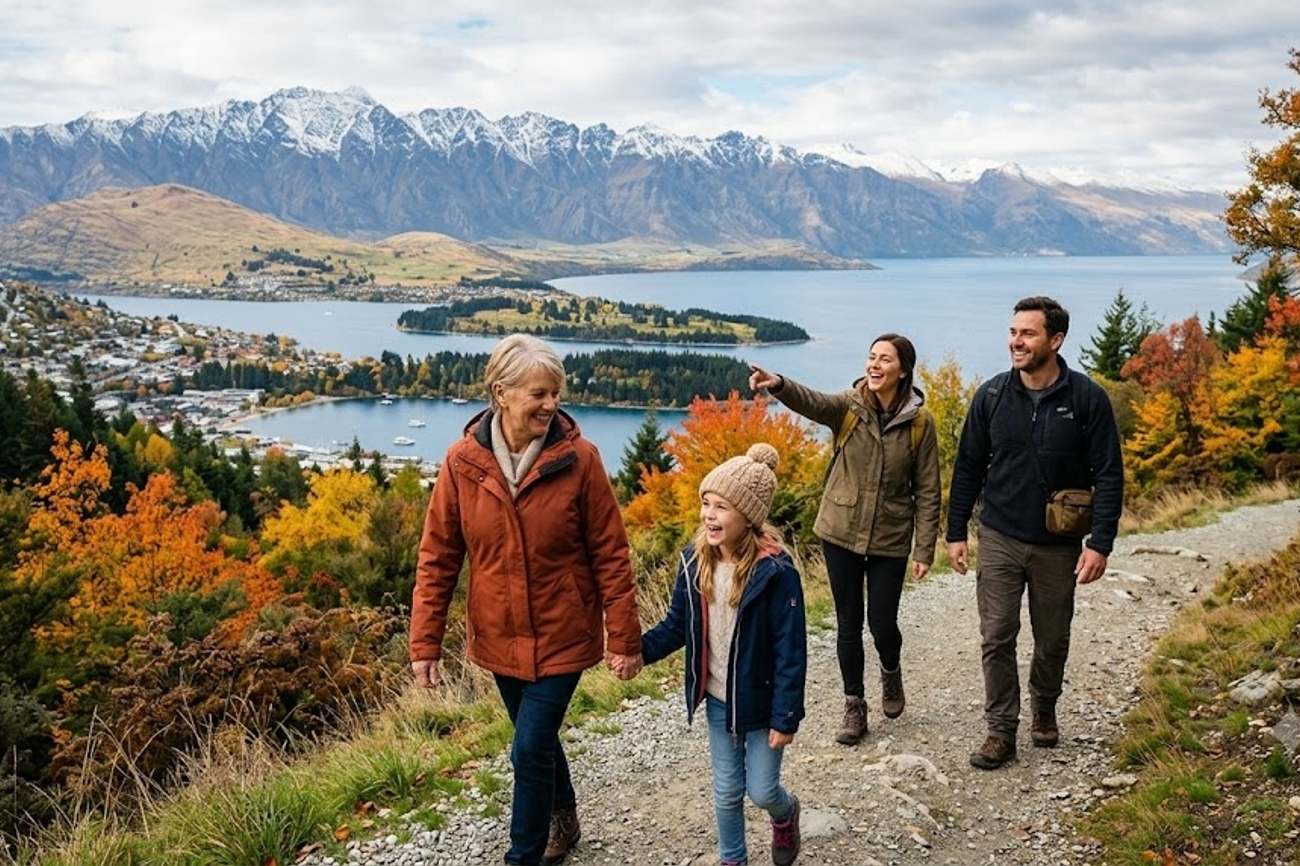
Image generated by AI
[Auckland, 2026] — New Zealand is undergoing a systemic shift in its tourism architecture as major hubs like Auckland and Queenstown pivot toward hyper-personalized, seasonal experiences to capture a diversifying global market.
The evolution of the visitor landscape reveals a strategic move away from generic sightseeing toward niche, timing-based itineraries. Data indicates that destination appeal is now heavily dictated by specific seasonal windows—ranging from winter ski peaks in the Southern Alps to summer cultural surges in the North Island—while visitor motivations are increasingly driven by a blend of adventure, Māori heritage, and nature-based wellness.
The Drivers of Tourism Evolution
The transformation is fueled by a change in how international travelers plan their journeys, with a growing emphasis on "slow travel" and repeat visitation. While New Zealand has traditionally relied on first-time visitors following a standard "Golden Triangle" route, current patterns show that repeat travelers are now bypassing primary landmarks in favor of neighborhood-specific experiences and premium urban stays.
Market growth is being supported by the development of infrastructure in key regional hubs. Specifically, the Canterbury region has seen significant population and economic expansion, which has directly bolstered the tourism capacity of Christchurch. Simultaneously, the shift toward high-value tourism is most evident in regions where visitors engage in multiple paid activities per trip, moving the economic needle from volume-based tourism to value-based spending.
Regional Market Breakdown and Visitor Profiles
The current tourism map is divided into distinct functional zones, each serving a different demographic and purpose within the national itinerary.
| Destination | Primary Appeal | Peak Demand Period | Core Age Demographic | Visitor Behavior |
|---|---|---|---|---|
| Auckland | Urban hub, Māori/Pacific culture, Gateway | Dec–Feb (Summer/School Holidays) | 25–64 years | High first-time share; repeaters seek premium urban stays. |
| Queenstown | Luxury, Skiing, Adventure | Dec–Feb & Jun–Aug | 18–45 (Adventure); 45+ (Luxury) | High-value spending; "must-see" for first-timers. |
| Christchurch | South Island Gateway, Antarctic links | Balanced Year-Round | 35–65 years | Base for Aoraki/Mt Cook and Tekapo routes. |
| Wellington | Film, Government, Culture | Summer Festivals/Cultural Seasons | 30–60 years | Experience-based; less weather-dependent. |
| Rotorua | Geothermal, Māori Culture, Wellness | Summer & School Breaks | Broad/Family/45+ | Strong cultural draw for first-time visitors. |
| Dunedin | Scottish Heritage, Wildlife | Summer (Sightseeing) | 35+ years | Niche heritage and academic tourism. |
| Nelson | Arts, Abel Tasman, National Parks | Summer (Beaches) | 40+ years | Longer average stay for outdoor recreation. |
| Tauranga | Coastal/Cruise Tourism | Summer (Beaches) | Families/Retirees | High domestic loyalty and cruise peaks. |
Practical Traveler Advisory and Strategic Insights
For those currently booking travel to New Zealand, the shift toward seasonal specialization means that "off-peak" travel is becoming more curated. Travelers should no longer view the shoulder seasons (March–May and September–November) as merely cheaper alternatives, but as distinct windows for specific experiences, such as city breaks in Auckland or photography tours in Nelson.
Practical impacts include:
- Booking Windows: High-value destinations like Queenstown now require significantly longer lead times for the December–February and June–August windows due to concentrated demand from adventure and ski markets.
- Itinerary Planning: First-time visitors are encouraged to use Auckland Airport and Christchurch as strategic anchors, but should allocate more time to regional hubs like Rotorua for cultural immersion.
- Budgeting: Travelers visiting Queenstown should expect higher per-capita costs, as the region is now positioned as a high-value hub focusing on premium excursions and luxury accommodation.
- Entry Points: While Auckland remains the primary gateway for North American, European, and Asian markets, the growth of Christchurch as a transport hub offers a more efficient starting point for those prioritizing the South Island's alpine and glacial landscapes.
Future Growth and Infrastructure Trends
The trajectory of New Zealand's tourism suggests a deeper integration of cultural tourism into the mainstream visitor experience. Rotorua and Wellington are leading this charge, moving beyond "sightseeing" toward "experience-based" tourism where visitors engage with Māori culture and creative industries.
New Zealand attracts diverse demographics by leveraging seasonal peaks, from winter sports in Queenstown to summer festivals in Auckland. Travelers can explore comprehensive regional itineraries and seasonal event calendars through Tourism New Zealand, the official national tourism organization.
Infrastructure development is expected to follow these demand patterns. The New Zealand Department of Tourism and local government bodies are likely to prioritize accessibility to the "slower" destinations like Dunedin and Nelson to alleviate pressure on the primary hubs. The continued growth of the cruise sector in the Bay of Plenty also indicates a need for expanded coastal infrastructure to handle seasonal surges in Tauranga.
As the market matures, the distinction between the "first-time visitor" and the "repeat explorer" will widen. This will lead to a bifurcated offering: streamlined, high-efficiency packages for newcomers and deep-dive, personalized itineraries for returning guests who seek the "hidden" New Zealand.
FAQ: New Zealand Tourism 2026
When is the best time to visit for adventure sports? The peak windows are December to February for summer activities and June to August for winter sports, particularly in Queenstown. However, spring and autumn are recommended for nature photography and avoiding the heaviest crowds.
Which city is the best starting point for a South Island tour? Christchurch serves as the primary gateway to the South Island, providing the most direct access to Aoraki/Mount Cook, Tekapo, and the Southern Alps.
How does the visitor experience differ between Auckland and Wellington? Auckland is a high-energy international gateway focused on urban shopping, food, and Pacific culture. Wellington is more focused on cultural depth, featuring national museums, political history, and the creative film industry.
Are there specific destinations better suited for families? Rotorua and the Tauranga/Bay of Plenty region are highly rated for families due to geothermal attractions, Māori cultural experiences, and beach-centric holidays.
New Zealand's tourism map is no longer a static list of landmarks, but a fluid calendar of seasonal opportunities.
Related Travel Guides
- Costa Rica Overtakes United States, Canada, Mexico and More 25 American and Caribbean Wellness Travel Destinations as Paradise for Health Lovers
- Australia Is in High Demand as Sydney, Melbourne and Beyond Broaden Luxury Retail and Local Shopping Experiences for International Tourists
- The World in the Heart of Bogotá Brings Guatemala and More American Nations Together for the Cuisine and Cultural Festival in Colombia
This article is for informational purposes. Flight routes, passenger regulations, visa rules, and transit advisories are subject to change by airlines and aviation authorities. Readers are advised to verify schedules and travel documentation with relevant carriers and border agencies before departure.
Related Stories

Delta's Austin–Arkansas Flights Reshape Regional Tourism Economics: Day Trips, Late Arrivals, and Visitor Spending 2027
UK Noise Pollution Rankings 2026: Salford Loudest City While Scotland's Perth and Kinross Emerges as Ultimate Peaceful Travel Retreat