
Costa Rica Overtakes United States, Canada, Mexico and More 25 American and Caribbean Wellness Travel Destinations as Paradise for Health Lovers
Costa Rica Overtakes United States, Canada, Mexico and More 25 American and Caribbean Wellness Travel Destinations as Paradise for Health Lovers

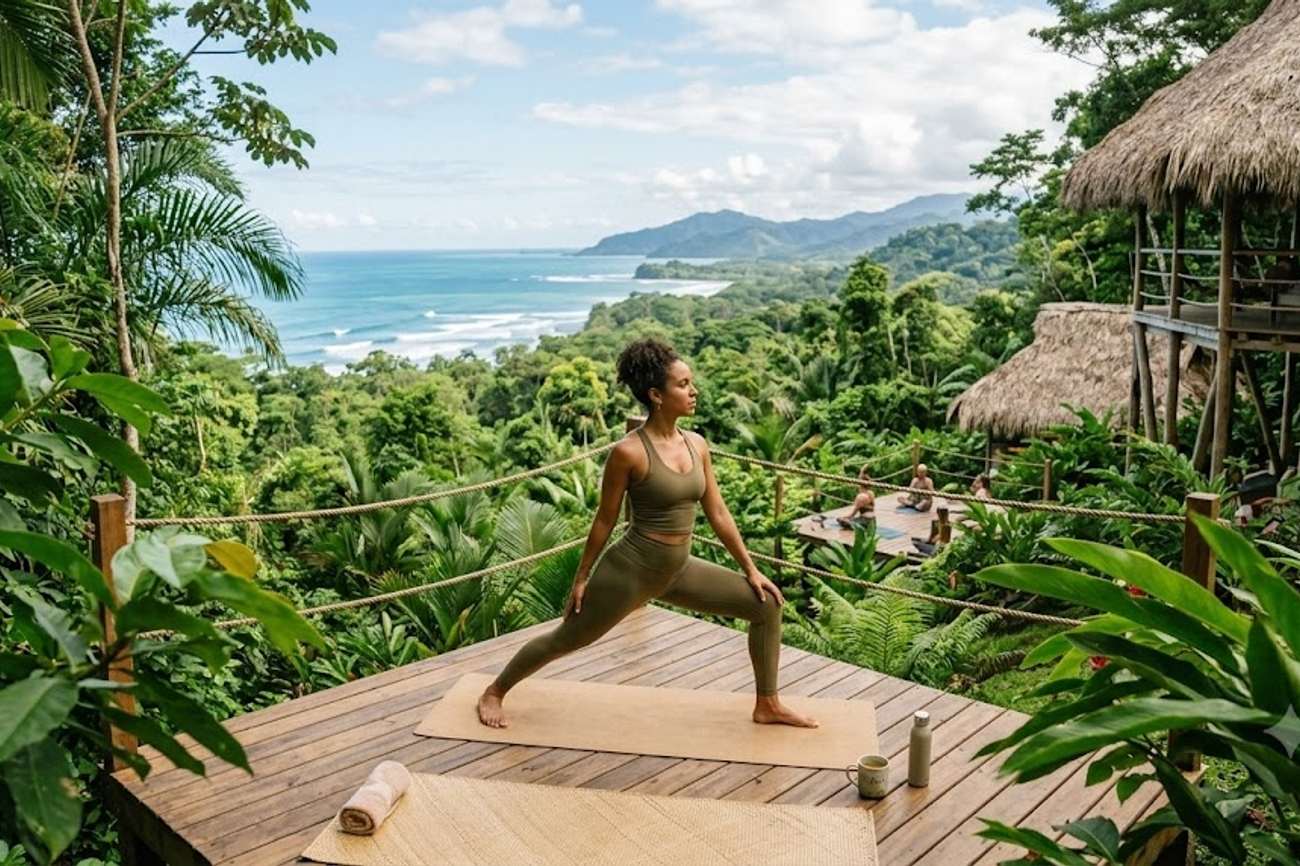
Image generated by AI
[San José, October 2023] — Costa Rica is rapidly ascending as a primary hub for global wellness tourism, leveraging its unique biodiversity and tropical geography to attract health-conscious travelers from across the Americas. The nation is pivoting away from traditional sightseeing, instead positioning its rainforests, volcanic mountains, and coastlines as active components of a restorative health experience.
This shift is part of a broader regional trend where travelers from the United States, Canada, Mexico, and the Caribbean are increasingly integrating fitness, nutrition, and mental health into their holiday itineraries. Unlike conventional luxury vacations, this "wellness" movement prioritizes holistic health—combining meditation, thermal baths, and nature-based retreats with traditional tourism.
The Catalyst for Wellness Migration
The surge in wellness travel is driven by a systemic shift in consumer behavior, where the boundary between a "vacation" and a "health retreat" has blurred. Travelers are no longer seeking isolated spa treatments; they are demanding immersive environments that facilitate a total disconnect from urban stressors.
Costa Rica has capitalized on this by integrating its natural assets directly into its tourism product. By utilizing the Instituto Costarricense de Turismo (ICT), the country has marketed a "nature-first" approach to wellbeing. In this model, the environment acts as the primary therapist. The availability of diverse landscapes—from the cloud forests of Monteverde to the beaches of Guanacaste—allows for a tiered wellness experience that ranges from high-intensity hiking and fitness programs to sedentary meditation and holistic healing.
Markets and Regional Impacts
The wellness tourism landscape is currently fragmented across the Americas, with each region offering a distinct value proposition to the global traveler:
- Costa Rica: Focuses on "Active Wellbeing." The primary draw is the synthesis of biodiversity and restorative activity. Key hubs include San José for facility access and coastal regions for digital detoxification.
- United States: Operates as a diversified market. California remains the epicenter for wellness-oriented travel, though Arizona, Florida, Hawaii, and Colorado are seeing growth in destination spas and outdoor recreation. The U.S. Department of the Interior manages many of the national parks that now serve as backdrops for these nature-based retreats.
- Canada: Specializes in "Wilderness Restoration." British Columbia, Alberta, and Québec are the primary drivers, focusing on the psychological benefits of expansive, quiet landscapes and mountain-based recreation.
- Mexico: Blends luxury infrastructure with indigenous traditions. The Riviera Maya and Los Cabos are the dominant markets, combining high-end resort spas with traditional holistic practices and local nutritional knowledge.
- Brazil: Offers a duality of "Urban vs. Nature." São Paulo and Rio de Janeiro provide high-density luxury wellness (fitness centers and healthy dining), while the interior focuses on nature escapes.
- Peru: Centers its proposition on "Highland Healing." The Andes and Cusco region integrate physical exertion (trekking) with cultural and spiritual wellness.
What This Means for Travelers
For the modern traveler, this evolution means that "wellness" is no longer a luxury add-on—it is the primary itinerary driver. If you are booking a trip to these regions, you should expect the following practical changes:
1. Shift in Accommodation Types Standard hotels are being replaced or augmented by "wellness retreats." These properties often mandate specific dietary restrictions (organic, farm-to-table), scheduled wake-up calls for yoga or meditation, and "digital detox" zones where electronics are discouraged.
2. Integration of Activity and Recovery The "spa day" is being replaced by "wellness journeys." Instead of a single massage, travelers are booking multi-day packages that combine high-intensity activity (such as hiking in the Andes or surfing in Brazil) with recovery protocols (thermal baths, meditation, and nutritional coaching).
3. Cultural Wellness Integration Travelers to Mexico and Peru, in particular, will find that wellness is increasingly tied to local heritage. This includes the use of indigenous medicinal plants, traditional healing rituals, and diets based on ancestral grains and produce.
4. Geography-Based Health Goals Travelers are now choosing destinations based on a specific health outcome. Those seeking mental clarity are gravitating toward Canada’s forests; those seeking physical detoxification are heading to Costa Rica’s rainforests; and those seeking luxury-based relaxation are targeting the Mexican Caribbean.
The Future of Restorative Travel
The trajectory of the wellness market suggests a move toward "Hyper-Personalized Health Travel." We are seeing the emergence of itineraries designed around specific biological or psychological needs—such as sleep retreats, longevity clinics, or stress-management circuits.
In Costa Rica, the next phase involves deeper integration with sustainable tourism. The goal is to ensure that the pursuit of personal wellness does not come at the expense of environmental health. This "regenerative travel" model means that visitors are encouraged to contribute to the conservation of the rainforests they use for their retreats.
Across the U.S. and Canada, the trend is moving toward "Micro-Wellness." This involves shorter, high-impact trips to urban centers that offer premium fitness and nutrition services, catering to the professional class who cannot afford long-term retreats but require immediate stress relief.
In Latin America, the focus is shifting toward the professionalization of traditional knowledge. We expect to see more certified holistic practitioners integrating ancient Indigenous wisdom with modern medical standards to create a "hybrid" wellness experience that appeals to a global, skeptical audience.
FAQ: Wellness Tourism 2023
What is the difference between a spa holiday and a wellness retreat? A spa holiday focuses on pampering and temporary relaxation via treatments. A wellness retreat is a holistic approach aimed at long-term health improvement, often incorporating diet, exercise, mental health practices, and educational workshops.
Which destination is best for active wellness? Costa Rica and Brazil are currently the leaders for active wellness. Costa Rica offers a blend of rainforest hiking and yoga, while Brazil integrates a strong outdoor fitness culture with its coastal geography.
Are these wellness experiences accessible to non-luxury travelers? Yes. While luxury resorts in Mexico and the U.S. dominate the headlines, Canada and Peru offer nature-based wellness (hiking, fresh air, and solitude) that is accessible through lower-cost lodging and public land access.
How do I verify the legitimacy of a "holistic" retreat? Check for certifications from recognized health or tourism boards. In the U.S., look for alignment with recognized health standards; in Costa Rica, ensure the operator is registered with the Costa Rican Tourism Board.
The map of global travel is being redrawn, not by where we go, but by how we feel when we return.
#CostaRicaWellness2023 #AmericasHealthTravel #SustainableTourismCR #WellnessRetreats2023 #NatureBasedHealing #HolisticTravelAmericas
Related Travel Guides
- Australia Is in High Demand as Sydney, Melbourne and Beyond Broaden Luxury Retail and Local Shopping Experiences for International Tourists
- The World in the Heart of Bogotá Brings Guatemala and More American Nations Together for the Cuisine and Cultural Festival in Colombia
- Denver Day Trip Block Party 2026 Reveals Global DJs, Electric Beats and Outdoor Festival Experience
Disclaimer
This article is for informational and educational purposes only. It does not constitute legal, financial, or professional advice. While we strive to provide accurate and up-to-date information, travel policies, regulations, and conditions change rapidly. Always verify information with official sources before making travel decisions. Nomad Lawyer makes no representations about the accuracy, reliability, completeness, or suitability of the information provided. Readers should consult qualified professionals for advice specific to their circumstances. The views expressed in this article are those of the author and do not necessarily reflect the views of Nomad Lawyer.
Kunal K Choudhary
Co-Founder & Contributor
A passionate traveller and tech enthusiast. Kunal contributes to the vision and growth of Nomad Lawyer, bringing fresh perspectives and driving the community forward.
Learn more about our team →