
Australia Is in High Demand as Sydney, Melbourne and Beyond Broaden Luxury Retail and Local Shopping Experiences for International Tourists
Australia Is in High Demand as Sydney, Melbourne and Beyond Broaden Luxury Retail and Local Shopping Experiences for International Tourists

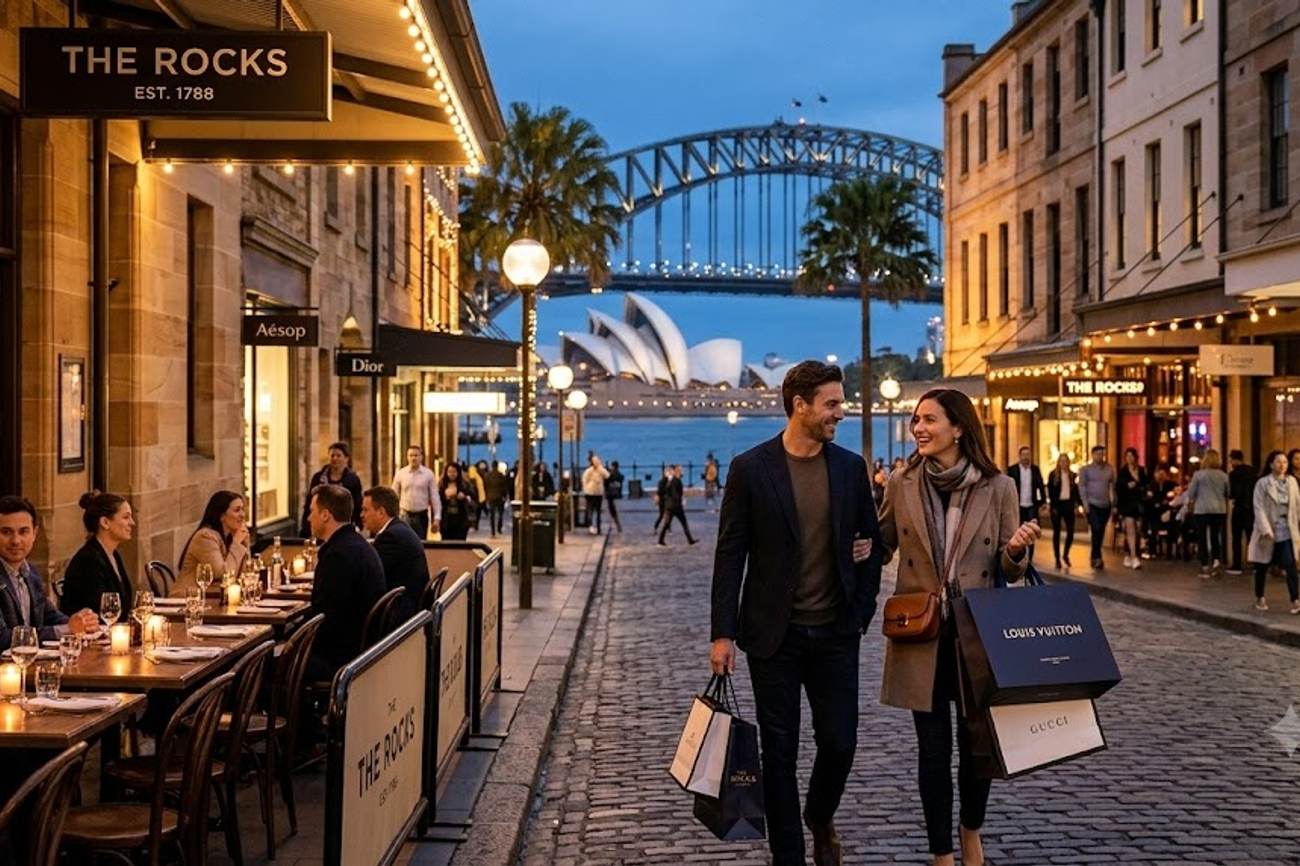
Image generated by AI
[Sydney, May 2026] — Australia has emerged as a premier global shopping destination for 2026, with major urban centers aggressively expanding luxury retail infrastructure and curated local experiences to capture a surge in high-spending international tourism.
The shift reflects a broader trend where retail is no longer a secondary activity but a primary driver of travel itineraries. From the high-fashion corridors of Sydney to the artisan markets of Hobart, Australian cities are integrating dining, culture, and entertainment into "retail precincts" designed to attract affluent travelers from Asia and beyond. This evolution is supported by a strategic increase in international brand footprints and a renewed emphasis on authentic, Australian-made luxury goods.
The Catalyst for Retail Tourism
The transition toward "shopping tourism" is driven by a fundamental change in traveler behavior. Visitors are increasingly seeking "experiential retail"—environments where the act of purchasing is combined with cultural immersion. According to industry data, the growth is fueled by three primary factors: the expansion of flagship luxury stores in CBDs, significant government and private investment in urban redevelopment, and a global appetite for premium Indigenous artworks and sustainable Australian fashion.
By transforming traditional shopping malls into lifestyle hubs, cities like Sydney and Melbourne are positioning themselves as competitors to traditional luxury capitals like Paris or Tokyo. This strategy leverages the Australian Tourism Office goals of diversifying the visitor economy beyond nature-based tourism.
Regional Demand and Market Segmentation
The impact of this trend varies by city, with specific districts becoming magnets for different traveler demographics.
| City | Demand Level | Primary Districts | Target Segment | Core Appeal |
|---|---|---|---|---|
| Sydney | Very High | Pitt Street Mall, Westfield Sydney, The Galeries, Oxford St | Affluent International / Asian Markets | Global luxury brands & high-end jewelry |
| Melbourne | Very High | Collins St, Bourke St Mall, Emporium, Chapel St | Fashionistas / Cultural Tourists | Designer boutiques & vintage fashion |
| Brisbane | High/Rising | Queen Street Mall, James Street, QueensPlaza | Asia-Pacific / Lifestyle Travelers | Redeveloped CBDs & local designers |
| Gold Coast | High | Pacific Fair, The Star, Harbour Town | Families / Leisure Travelers | Luxury beachwear & outlet bargains |
| Perth | Growing | King St, Murray St Mall, Raine Square | Regional / Luxury Travelers | Indigenous art & premium lifestyle goods |
| Adelaide | Growing | Rundle Mall, Adelaide Central Market | Food & Wine Tourists | Gourmet produce & boutique crafts |
| Canberra | Moderate | Canberra Centre, Kingston Foreshore | Government / Cultural Visitors | Artisan gifts & national galleries |
| Hobart | Niche | Salamanca Place, Battery Point | Cruise / Slow Tourism | Tasmanian food & handmade goods |
| Darwin | Niche | Mindil Beach Markets, Smith St Mall | Adventure / Cultural Tourists | Aboriginal crafts & tropical products |
What This Means for Travelers
For the modern traveler, the "shopping destination" label means a shift in how trips are planned and executed. This is no longer about visiting a single mall; it is about navigating curated districts.
1. Itinerary Shifts Travelers are now allocating dedicated days to "retail circuits." For example, a visitor to Melbourne may spend a morning in the heritage arcades of the CBD and an afternoon exploring the independent designers of Chapel Street.
2. Integrated Experiences The rise of "dining-linked retail" means that high-end shopping is now physically tethered to gourmet food halls and entertainment venues. Travelers can expect a seamless transition from a luxury boutique to a Michelin-star dining experience within the same precinct.
3. Access to Exclusives With the expansion of international brand footprints, particularly in Sydney's Pitt Street Mall, travelers have better access to limited-edition collections that were previously only available in Europe or North America.
4. Cultural Commerce There is a significant increase in the availability of authentic Indigenous art and regional crafts in urban centers. This allows travelers to acquire high-value cultural assets without needing to travel to remote regions, though these items are increasingly regulated to ensure authenticity.
The Road to 2027 and Beyond
The momentum is expected to accelerate as Brisbane continues its trajectory of CBD upgrades in preparation for long-term tourism growth. The City of Sydney and other municipal bodies are likely to further pedestrianize shopping districts to enhance the "stroll-and-shop" experience, mirroring the success of European luxury streets.
Furthermore, the integration of digital payment systems and streamlined tax-free shopping processes for international visitors is expected to reduce friction for high-net-worth individuals. As the Gold Coast continues to develop its luxury precincts around The Star, the region will likely pivot from a purely family-oriented beach destination to a dual-threat luxury and leisure hub.
The long-term goal for these cities is to move away from "seasonal" shopping peaks (such as Christmas or Lunar New Year) and create a year-round draw for the global luxury traveler. This involves rotating exhibitions, pop-up designer events, and the creation of "shopping festivals" that blend retail with the arts.
FAQ: Australia Shopping Tourism 2026
Which Australian city is best for high-end luxury brands? Sydney remains the primary hub for global luxury. Pitt Street Mall and Westfield Sydney offer the highest concentration of international designer labels and premium jewelry boutiques.
Where can I find authentic Indigenous art while shopping? While available in many cities, Perth and Darwin offer the most specialized experiences. Darwin’s Mindil Beach Markets and Perth’s luxury boutiques are primary sources for authentic Aboriginal craftsmanship.
Are there budget-friendly luxury options for tourists? Yes. The Gold Coast, specifically the Harbour Town Outlet Shopping Centre, is the premier destination for those seeking luxury brands at outlet prices.
How does Melbourne's shopping differ from Sydney's? Sydney focuses on global luxury and flagship stores. Melbourne is the "fashion capital," emphasizing independent designers, vintage finds, and a blend of heritage arcades and modern malls.
Australia is no longer just a destination for the Great Barrier Reef; it is now a destination for the Great Retail Experience.
#SydneyRetail2026 #MelbourneFashion #AustraliaLuxuryTravel #PittStreetMall #IndigenousArtCommerce #GoldCoastShopping
Related Travel Guides
- The World in the Heart of Bogotá Brings Guatemala and More American Nations Together for the Cuisine and Cultural Festival in Colombia
- Denver Day Trip Block Party 2026 Reveals Global DJs, Electric Beats and Outdoor Festival Experience
- CRSSD Festival Fall 2026 Returns To San Diego With Global DJs, Electronic Music And Bay Views
Disclaimer
This article is for informational and educational purposes only. It does not constitute legal, financial, or professional advice. While we strive to provide accurate and up-to-date information, travel policies, regulations, and conditions change rapidly. Always verify information with official sources before making travel decisions. Nomad Lawyer makes no representations about the accuracy, reliability, completeness, or suitability of the information provided. Readers should consult qualified professionals for advice specific to their circumstances. The views expressed in this article are those of the author and do not necessarily reflect the views of Nomad Lawyer.
Naina Thakur
Contributor & Travel Specialist
Travel enthusiast and legal writer covering visa regulations, responsible tourism, and cultural journeys across global destinations.
Learn more about our team →