
Asian Cruise Tourism Enters a New Era as South Korea, Japan and More Countires Adopt Pier Slot Bidding Systems to Stop Mega Cruise Ship Port Chaos
Asian Cruise Tourism Enters a New Era as South Korea, Japan and More Countires Adopt Pier Slot Bidding Systems to Stop Mega Cruise Ship Port Chaos

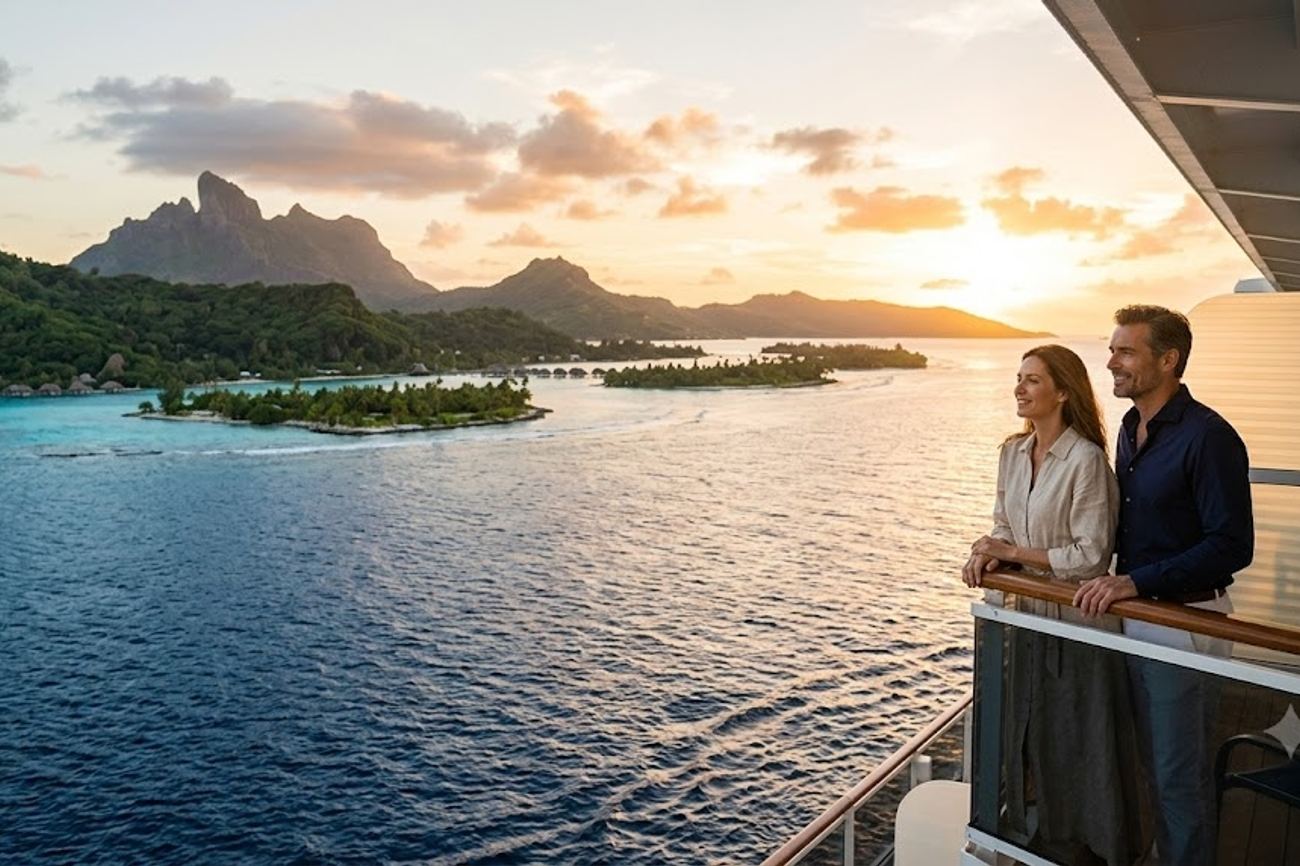
Image generated by AI
Three million annual guests now saturate the maritime gateways of South Korea, Japan, Thailand, and Malaysia, triggering a systemic overhaul of how cruise ships access Asian harbors. This surge in passenger throughput has rendered traditional port scheduling obsolete, forcing a transition from static berthing to a high-stakes, dynamic bidding environment. As mega-ships with capacities between 5,000 and 7,000 passengers—specifically the Royal Caribbean International Quantum-class, Icon-class, and MSC Cruises World-class vessels—become the regional standard, the sheer volume of day-trippers is paralyzing local infrastructure. The result is a shift toward "maritime logistics," where docking is no longer a right of booking, but a priced commodity.
The Collapse of Static Berthing in Asia
For decades, the cruise industry operated on a "first-come, first-served" basis or relied on fixed annual schedules negotiated years in advance. This legacy model functioned when vessels were smaller and passenger volumes were predictable. However, the deployment of ultra-large flagship liners has created a dangerous misalignment between maritime capacity and municipal endurance. When a single vessel discharging 7,000 passengers berths during a narrow morning window, the immediate impact is an urban flash-flood of pedestrians and vehicles that overwhelms bus networks and heritage corridors.
This operational failure mirrors the "overtourism" crises previously documented in Mediterranean hubs like Venice and Santorini. To avoid total paralysis, Asian port authorities are abandoning static planning in favor of dynamic slot-based logistics. In this new regime, the arrival of the ship, the opening of the gangway, and the dispatch of land-side excursions are treated as a single, synchronized industrial process rather than three independent events.
The Economics of the Pier Slot Bidding System
The transition to automated Terminal Operating Systems (TOS) has introduced a market-driven tariff structure. Port authorities are now monetizing landing windows based on real-time land-side capacity. This means the cost of docking is no longer a flat fee based on the vessel's Gross Registered Tonnage (GRT), but a variable price determined by the desirability of the time slot.
| Landing Window Tier | Time Period | Tariff Level | Strategic Impact |
|---|---|---|---|
| Peak Morning Slot | 06:00 – 08:30 | Premium / Competitive Bid | Highest cost; maximizes full-day tour revenue |
| Shoulder Morning Slot | 08:30 – 11:00 | Standard Rate | Balances excursion length with moderate fees |
| Afternoon Slot | 11:00 – 15:00 | Discounted / Off-Peak Credit | Lower cost; limited to half-day tours |
| Evening / Night Slot | 15:00 – 20:00 | Reduced Facility Charge | Minimal congestion; targets night-economy dining |
The financial pressure here is immense. Cruise lines must now run real-time algorithms to determine if the premium cost of a 06:00 slot is offset by the projected margins of high-ticket, full-day excursions. If a line opts for a discounted 11:00 arrival to save on port fees, they sacrifice the ability to sell premium tours, potentially lowering the overall revenue per passenger for that call.
Expert Analysis: The Shift to "Just-in-Time" Tourism
For the modern traveler, the direct consequence of this regulatory shift is the end of the "open-door" disembarkation experience. We are seeing the introduction of "cruise cap micro-ticketing," a system that treats human movement with the same precision as container shipping. By breaking down disembarkation into 2-to-3-hour land entry passes, ports are effectively rationing the city's capacity.
The pricing pressure created by tiered tariffs means that cruise lines will likely pass these costs onto the consumer. Travelers can expect a bifurcation of shore excursions: premium, early-access tours that justify the ship's high bidding cost, and budget, truncated afternoon tours.
Furthermore, the environmental stakes are high. Data from the International Maritime Organization (IMO) indicates that vessels waste up to 9% of their total voyage time idling at anchor due to berth queues. This is not just a logistical failure; it is an environmental one, as unproductive idling increases greenhouse gas emissions and burns auxiliary fuel. By forcing ships into precise, bid-won slots, ports are effectively mandating a "just-in-time" arrival model that reduces the carbon footprint of the anchorage phase.
Key Takeaways
- Capacity Saturation: Regional passenger volumes have exceeded 3 million annually, leading to the deployment of mega-ships carrying 5,000 to 7,000 guests per call.
- Dynamic Pricing: Ports are replacing flat fees with a tiered bidding system where peak morning slots (06:00–08:30) command premium rates.
- Controlled Flow: The implementation of micro-ticketing means passengers will be released in staggered 15-minute windows via RFID or biometric passes.
- Operational Efficiency: The move to digital allocation aims to eliminate the 9% of voyage time currently wasted by vessels waiting at anchor.
- Economic Trade-offs: Cruise operators must now balance the cost of expensive landing slots against the potential revenue from longer shore excursions.
FAQ: Asian Cruise Port Logistics 2024
Will I be able to leave the ship as soon as it docks? Likely not. New micro-ticketing systems use staggered 15-minute gangway departure passes. You will receive a specific time slot via the ship's app or a biometric pass to prevent terminal overcrowding.
Why are shore excursion prices increasing? Cruise lines are now paying premium "bid" prices for early morning docking slots. To maintain profit margins, these increased port tariffs are often reflected in the cost of full-day tours.
How does this affect my itinerary? You may notice more "afternoon arrivals" or shorter stays in certain ports. This happens when cruise lines choose discounted off-peak slots to reduce operational overhead.
What is "shore power" in these new ports? As part of the new "green pier scoring," ports are mandating shore power, allowing ships to plug into the local electrical grid and turn off their diesel engines while docked.
The era of the uncontrolled cruise landing is over; the harbor is now a scheduled commodity.
Tags: Royal Caribbean, MSC Cruises, International Maritime Organization, Asian Port Logistics, Cruise Over-tourism 2024, Maritime Terminal Operating Systems
Related Travel Guides
- Mexico Travel Reaches New Heights as Ensenada Celebrates Historic One Million Cruise Passenger Milestone
- Royal Caribbean’s Legend of the Seas Opens a New Mediterranean Chapter for Indian Cruise Travellers
- Norwegian Cruise Line Introduces Norwegian Aura With Bold Shows and Whitney Houston Celebration
Disclaimer
This article is for informational and educational purposes only. It does not constitute legal, financial, or professional advice. While we strive to provide accurate and up-to-date information, travel policies, regulations, and conditions change rapidly. Always verify information with official sources before making travel decisions. Nomad Lawyer makes no representations about the accuracy, reliability, completeness, or suitability of the information provided. Readers should consult qualified professionals for advice specific to their circumstances. The views expressed in this article are those of the author and do not necessarily reflect the views of Nomad Lawyer.
Preeti Gunjan
Contributor & Community Manager
A passionate traveller and community builder. Preeti helps grow the Nomad Lawyer community, fostering engagement and bringing the reader experience to life.
Learn more about our team →