
Asia Aviation Crisis 2026: 4,851 Delays and 265 Cancellations Ground Japan Airlines and Qatar Airways Across Major Hubs
Massive airspace restrictions and geopolitical tensions lead to 4,851 delays and 265 cancellations across Asia's primary aviation corridors, impacting major carriers in 2026.

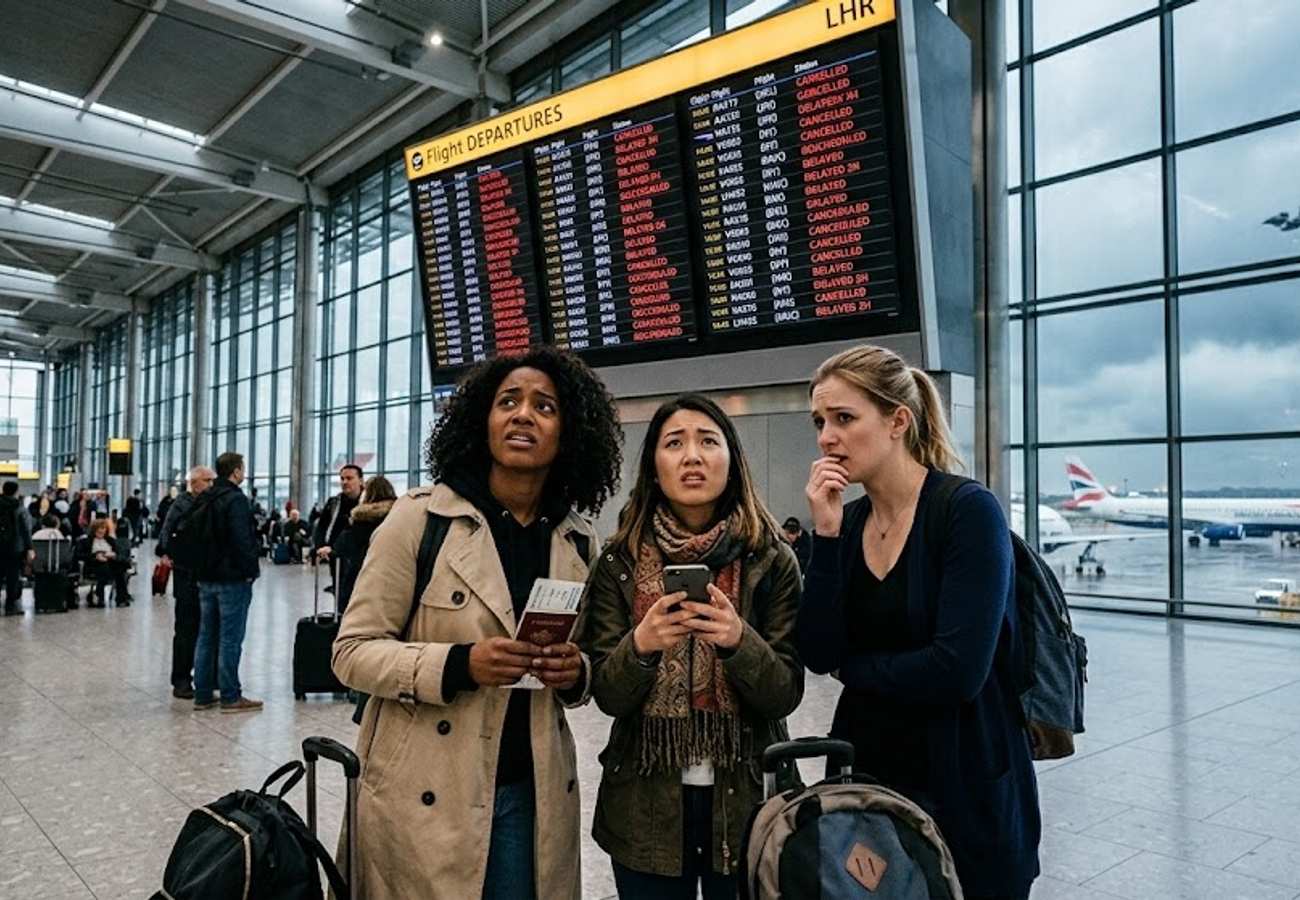
Image generated by AI
Severe airspace restrictions and geopolitical friction have triggered a massive operational collapse across Asian aviation networks, resulting in 4,851 delays and 265 cancellations.
The regional transport grid is currently facing an unprecedented squeeze, with major hubs from Shanghai to Dubai struggling to maintain schedules. The disruptions are not merely the result of weather, but a complex intersection of military airspace management, regional security threats, and tightening security protocols.
The Local Trend Revealed: Airspace Gridlock and Geopolitical Friction
The primary catalyst for the current chaos is the rigid management of Chinese airspace. Unlike civilian-led corridors in other regions, a significant portion of China's airspace remains under military control. Commercial flights are funneled through narrow, fixed routes. When military activities trigger temporary restrictions, a domino effect occurs, forcing aircraft to hold on the ground or divert. This has created a cascade of delays stretching from Beijing and Shanghai to Chengdu.
Adding to the volatility are regional security escalations. Recent missile strikes by Iranian officials targeting a US military base in Kuwait have forced airlines serving Doha, Dubai, and Riyadh to implement rapid route adjustments. Simultaneously, maritime tensions have spiked following Chinese and Russian live-fire naval exercises near Okinotori, prompting formal protests from Japan and increasing uncertainty for regional operational planning.
Operational Impact Data
The following data highlights the scale of the disruption across the most affected gateways and carriers.
Hardest-Hit Asian Airports
| Airport | Delays | Cancellations | Primary Affected Carriers |
|---|---|---|---|
| Shanghai Pudong, China | 741 | 14 | China Eastern, Shanghai Airlines |
| Beijing Capital, China | 383 | 25 | Air China |
| Dubai, UAE | 353 | 13 | Emirates, FlyDubai |
| Incheon, South Korea | 270 | 0 | Asiana Airlines, Korean Air |
| Tokyo Haneda, Japan | 255 | 3 | Japan Airlines, All Nippon Airways |
| Bangkok Suvarnabhumi, Thailand | 201 | 5 | Bangkok Airways, Thai Airways |
Airlines Facing Maximum Pressure
| Airline | Cancellations | Delays | Key Impact Zones |
|---|---|---|---|
| Saudia | 86 | 36 | Riyadh, Jeddah, Gizan, Najran |
| Air China | 54 | 441 | Beijing, Shanghai, Xi'an, Chengdu, Chongqing |
| Japan Airlines | 5 | 152 | Tokyo Haneda, Narita, Osaka Itami, Naha |
| Qatar Airways | 5 | 134 | Hamad International (Doha) |
Cultural & Environmental Value (Information Gain)
Beyond the logistics, these disruptions highlight the critical need for a transition toward more sustainable and digitally integrated airspace management. The reliance on rigid military corridors in East Asia is an outdated model that increases carbon emissions due to prolonged idling and inefficient routing.
Furthermore, Thailand is leveraging this period of heightened security to implement a new transparency-based baggage policy. Starting October 16, the Civil Aviation Authority of Thailand will allow security officers to open checked baggage without the passenger present if X-ray screenings identify suspicious items. To maintain trust and cultural respect for privacy, every inspection will be fully documented, and a formal notice will be placed inside the luggage. This move aims to balance rigorous security with a documented audit trail, reducing the likelihood of arbitrary searches.
Visitor Insider Tips
For those navigating these volatile corridors, standard travel advice is insufficient. Consider these local insights:
- The "Buffer" Strategy: When transiting through Shanghai Pudong or Dubai, avoid tight connections. A minimum of 5-6 hours is recommended to account for the current "cascade" delay effect.
- Baggage Compliance: With Thailand's new October 16 rules, double-check for prohibited items. Avoid packing ambiguous electronics or organic materials that may trigger a manual search, as these items will be confiscated without return.
- Digital Redundancy: In hubs like Incheon and Haneda, rely on the airline's direct app notifications rather than airport screens, which can lag during mass cancellation events.
- Essential Carry-on: Due to the high volume of grounded flights and potential overnight stays, keep all essential medication and chargers in your cabin bag, as checked luggage access is restricted during delays.
Tourism Outlook
The long-term impact of these disruptions suggests a shift toward "diversified routing." As geopolitical tensions near Okinotori and the Middle East persist, travel planners are likely to move away from hyper-reliance on a few "mega-hubs." We expect a rise in secondary city gateways and an increased demand for airlines that utilize flexible, AI-driven flight pathing to bypass military-restricted zones. While the current volatility is high, the push toward modernized airspace coordination in China and stricter, documented security in Thailand may eventually lead to a more predictable, albeit more scrutinized, travel experience in Asia.
Flexibility is no longer a luxury for the Asian traveler—it is a requirement for survival.
Related Travel Guides
Disclaimer
This article is for informational and educational purposes only. It does not constitute legal, financial, or professional advice. While we strive to provide accurate and up-to-date information, travel policies, regulations, and conditions change rapidly. Always verify information with official sources before making travel decisions. Nomad Lawyer makes no representations about the accuracy, reliability, completeness, or suitability of the information provided. Readers should consult qualified professionals for advice specific to their circumstances. The views expressed in this article are those of the author and do not necessarily reflect the views of Nomad Lawyer.
Kunal K Choudhary
Co-Founder & Contributor
A passionate traveller and tech enthusiast. Kunal contributes to the vision and growth of Nomad Lawyer, bringing fresh perspectives and driving the community forward.
Learn more about our team →