
Analog Tourism Surge: Exploring Vintage Typewriters and Print Culture Across Japan, UK, France, and Spain
Analog print tourism expands globally as travelers visit London typewriter restorers, Paris Seine bouquinistes, and Tokyo ukiyo-e studios.

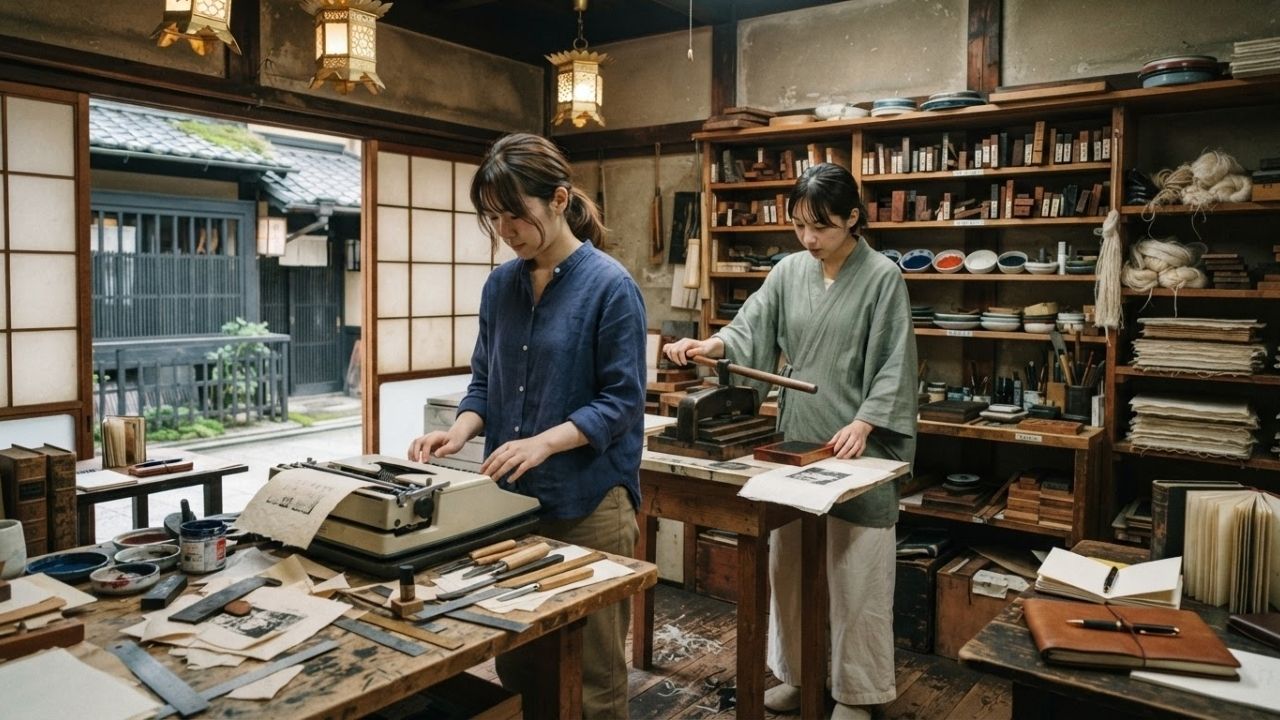
Image generated by AI
A global surge in "analog tourism" is driving travelers away from digital screens toward historic print shops, vintage typewriter restoration hubs, and centuries-old literary landmarks. Field reports from London, Paris, Madrid, and Tokyo highlight growing demand for hands-on letterpress typesetting, limestone lithography, mulberry washi papermaking, and mechanical typewriter restoration.
[LONDON, United Kingdom, Sept. 2, 2026] — Travel research published by international heritage registries confirms an expanding global movement centered on analog print culture and mechanical writing heritage. Vacationers seeking respite from hyper-connected digital environments are booking itineraries focused on historical printing presses, antiquarian book stalls, and vintage typewriter workshops.
According to preservation guidelines documented by the Agency for Cultural Affairs of Japan and European heritage organizations, analog tourism provides vital financial support to specialized technicians, bookbinders, and master printers who preserve vanishing physical communications trades.
Fleet Street Journalism Legacy and London Typewriter Restoration
In the United Kingdom, London serves as a primary destination for print culture enthusiasts:
- Fleet Street & St. Bride’s Church: Visitors explore historic journalism corridors where steam-powered printing presses established Britain's modern newspaper industry.
- Typewriter Emporium London: Specialized workshops restore mid-century manual writing machines—including Imperials, Remingtons, and Underwoods—using ultrasonic cleaning, metal polishing, and platen repadding.
- Clerkenwell Bookbinding Guilds: Artisans teach traditional gold-leaf tooling and hand-sewing techniques over raised leather cords.
Iberian Letterpress Printing and Copperplate Engraving in Spain
Spain offers a rich network of independent print collectives preserving historic heavy letterpress machinery:
- Barcelona (L’Automàtica): Operating inside a former commercial print shop, artist collectives preserve flatbed cylinder presses, allowing visitors to inspect drawers of hand-carved wooden and lead typefaces.
- Madrid (Paseo de la Castellana): Luxury ateliers specialize in copperplate engraving, dry embossing, and hot-foil stamping.
- Barri Gòtic Marbled Paper: Artisans craft marbled bookbinding papers using natural botanical pastes and heavy mechanical presses.
Seine Bouquinistes and Paris Lithographic Print Houses
In France, literary tourism centers along the River Seine and historic artisan quarters:
- UNESCO-Protected Bouquinistes: Independent booksellers operating along the Seine offer vintage maps, out-of-print French poetry, and century-old lithograph prints from green metal kiosks.
- Marais Lithography Workshops: Master printers create fine art lithographs using traditional limestone slabs and hand-cranked scraper presses.
- Latin Quarter Bookshops: Historic wood-paneled stores house rare calfskin-bound editions and early twentieth-century literary journals.
Global Analog Print Culture & Heritage Typewriter Corridors
| Country / Region | Key Urban Hubs | Specialized Print & Typewriter Crafts | Historical Artifacts & Workshop Features |
|---|---|---|---|
| United Kingdom | London (Fleet Street & Clerkenwell) | Mechanical typewriter restoration & gold-leaf bookbinding | Ultrasonic cleaning of Imperials/Remingtons, hand-sewing on cords |
| Spain | Barcelona & Madrid | Flatbed letterpress printing & copperplate engraving | L'Automàtica wooden/lead type, Paseo de la Castellana embossing |
| France | Paris (Seine Quays & Marais) | UNESCO bouquiniste trade & limestone lithography | Green quayside book boxes, hand-cranked limestone scraper presses |
| Japan | Tokyo & Kyoto | Ukiyo-e woodblock printing & mulberry washi paper | Takahashi Kobo 160-year cherry wood blocks, river-filtered pulp |
Japanese Woodblock Ukiyo-e Studios and Mulberry Washi Papermaking
Japan maintains centuries-old printmaking and paper manufacturing traditions:
- Takahashi Kobo (Tokyo): Operating for over 160 years, this workshop produces traditional ukiyo-e prints using hand-carved cherry wood blocks, water-based pigments, and horsehair brushes under UNESCO World Heritage cultural frameworks.
- Kyoto Karakami Papermaking: Master paper crafters apply mineral pigments and mica onto magnolia wood blocks to create patterned decorative sheets.
- River-Filtered Washi Production: Rural craft villages harvest mulberry bark fibers, filtering pulp through bamboo frames in flowing river water to produce durable handmade paper.
Industry Impact Analysis: Materiality and Economic Support for Heritage Artisans
Tourism analysts note that analog travel satisfies a growing human desire for physical materiality in an increasingly automated world. By purchasing hand-bound books, custom letterpress stationery, and restored mechanical typewriters, travelers generate direct revenue for independent craftspeople, typewriter repair technicians, and antiquarian booksellers.
Furthermore, integrating artisan workshops into urban walking tours protects historic commercial districts from commercial redevelopment.
Why This Matters: Essential Takeaways for Analog Travel Enthusiasts
For travelers planning an analog print culture or typewriter restoration journey in 2026, key practical tips include:
- Schedule Workshop Demonstrations Ahead: Reserve spaces at letterpress collectives like L’Automàtica or Takahashi Kobo in advance, as studio space is limited.
- Inspect Mechanical Typewriter Restorations: Verify that restored typewriters have undergone ultrasonic metal cleaning and fresh platen rubber replacement before purchasing.
- Explore Seine Quays in Dry Weather: Visit Paris bouquinistes on dry afternoons when booksellers open all green metal stalls along the riverbank.
- Handle Washi and Marbled Papers Carefully: Store handmade paper souvenirs flat in acid-free travel folders to prevent moisture damage during transit.
Key Takeaways
- Rise of Analog Tourism: Screen fatigue is driving travelers toward physical printmaking, typewriter restoration, and bookbinding hubs.
- European Print Legacy: London, Paris, and Barcelona preserve historic Fleet Street journalism, Seine bouquinistes, and cylinder letterpress machinery.
- Japanese Master Crafts: Tokyo and Kyoto workshops maintain 160-year-old ukiyo-e woodblock printing and river-filtered mulberry washi paper.
- Economic Support for Artisans: Analog travel provides direct income for specialized repair technicians, letterpress printers, and independent booksellers.
FAQ
What is analog tourism?
Analog tourism is a travel movement focused on hands-on, non-digital cultural experiences, such as visiting historic print shops, learning bookbinding, restoring vintage typewriters, and exploring antiquarian book markets.
Where can travelers see restored vintage typewriters?
Specialized restoration workshops like Typewriter Emporium London disassemble, ultrasonically clean, and restore classic mechanical machines like Imperials, Remingtons, and Underwoods.
What makes Japanese ukiyo-e printmaking unique?
Studios like Takahashi Kobo in Tokyo use hand-carved cherry wood blocks, water-based natural pigments, and horsehair brushes to create traditional multi-color prints.
What are the bouquinistes of Paris?
They are UNESCO-protected independent booksellers operating iconic green metal boxes along the banks of the River Seine, selling vintage French books, lithographs, and maps.
Related Travel Guides
Disclaimer
This article is for informational and educational purposes only. It does not constitute legal, financial, or professional advice. While we strive to provide accurate and up-to-date information, travel policies, regulations, and conditions change rapidly. Always verify information with official sources before making travel decisions. Nomad Lawyer makes no representations about the accuracy, reliability, completeness, or suitability of the information provided. Readers should consult qualified professionals for advice specific to their circumstances. The views expressed in this article are those of the author and do not necessarily reflect the views of Nomad Lawyer.
Raushan Kumar
Founder & Lead Developer
Full-stack developer with 11+ years of experience and a passionate traveller. Raushan built Nomad Lawyer from the ground up with a vision to create the best travel and law experience on the web.
Learn more about our team →