
American Cruise Lines Expands US River Fleet with New Vessels for Mississippi and Columbia Systems 2026
American Cruise Lines is scaling domestic river tourism by deploying next-generation vessels on the Mississippi and Columbia-Snake river systems to meet record demand for small-ship travel.

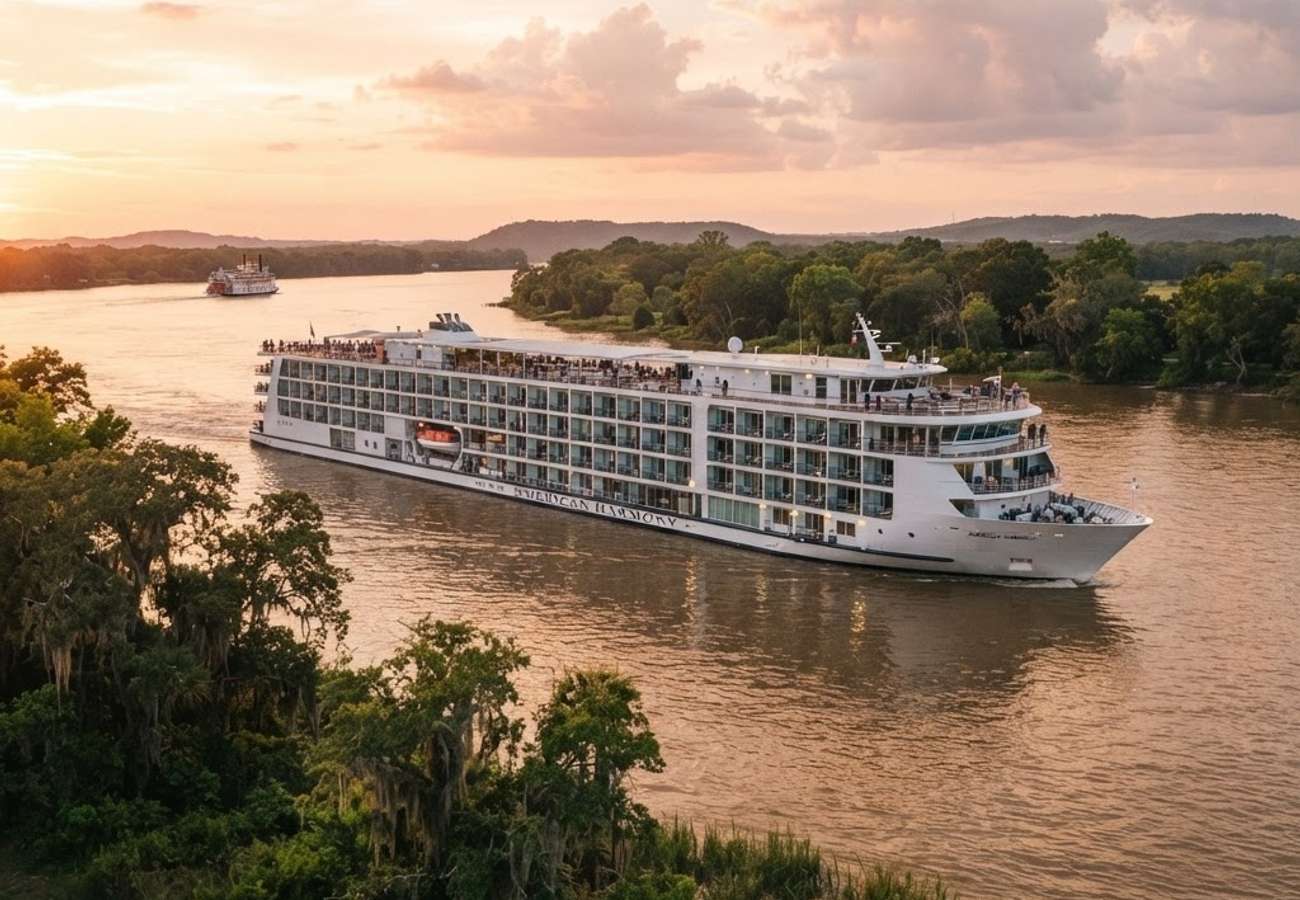
Image generated by AI
American Cruise Lines is aggressively scaling its domestic footprint, deploying next-generation tonnage to the Mississippi and Columbia-Snake river systems. This expansion introduces longer, multi-region itineraries designed to mirror European river cruising standards within US borders.
Strategic Fleet Expansion Across Two Major River Systems
American Cruise Lines is currently executing an aggressive expansion program to capitalize on record-level demand for domestic small-ship travel. The strategy focuses on two primary pillars: the Mississippi River basin and the Columbia and Snake Rivers in the Pacific Northwest. By introducing newbuilds and redeploying existing tonnage, the operator is lengthening itineraries and increasing the geographical reach of its voyages.
In the Pacific Northwest, the American Encore now serves as the regional flagship, operating extended seasons from May through November. This vessel is the first of a modern trio—which includes the American Anthem and American Grace—slated for operation between 2026 and 2028. These ships move away from traditional paddlewheeler aesthetics, opting for contemporary profiles, large balcony cabins, and hotel-style amenities.
Simultaneously, the Mississippi system is seeing the deployment of the modern riverboat class, featuring vessels such as the American Melody, American Symphony, and American Serenade. These ships are integrated into a network that extends beyond the main stem of the Mississippi into key tributaries, including the Ohio, Cumberland, Tennessee, and Arkansas Rivers.
Route Specifications and Vessel Deployment
The following table outlines the current and upcoming deployment patterns for the expanded fleet.
| River System | Key Vessels | Primary Itinerary Range | Key Destinations / Tributaries | Operating Window |
|---|---|---|---|---|
| Columbia & Snake | American Encore, Anthem, Grace | 9 to 16 Days | Astoria, Columbia Gorge, Hells Canyon | May – November |
| Mississippi | American Melody, Symphony, Serenade | 7 to Multi-week | Ohio, Cumberland, Tennessee, Arkansas Rivers | Year-round/Seasonal |
| Specialty | American Heritage | Variable | Nostalgic/Traditional routes | Seasonal |
Traveler Logistics Guide: Navigating US River Transit
From a ground-level perspective, navigating the shift toward longer, multi-region river cruises requires a different planning approach than standard ocean cruising.
Booking Connections and Layovers For the Columbia and Snake itineraries, most voyages originate in the Portland, Oregon area. Travelers should allow at least 24 to 48 hours of buffer time in Portland to account for regional flight delays, as river departures are strictly timed. For those opting for the 16-day Grand Columbia and Snake Rivers cruise (launching 2027 on the American Anthem), ensure your land-based transfers are coordinated via certified local operators, as river ports in areas like Hells Canyon have limited independent transport options.
Navigating Customs and Digital Policies While these are domestic routes, the integration of "National Park themed" itineraries involving Yellowstone, Glacier, and Grand Teton requires separate entry permits and vehicle coordination. Travelers should utilize digital reservation systems for park entry well in advance of their cruise date.
Onboard Experience The "modern riverboat" class is designed for a younger, more active demographic. Unlike traditional paddlewheelers, these ships offer higher connectivity and private balconies. If you prefer the nostalgic experience, specifically request the American Heritage or other refurbished paddlewheelers.
Infrastructure and Regional Connectivity Impact
The expansion is not limited to vessels; it includes significant onshore infrastructure investment. Data from 2025 indicates new dock projects in Natchez, Mississippi, and Kenner, Louisiana, alongside additional landings on various tributaries. This allows ships with shallow drafts to access smaller riverfront communities that were previously inaccessible to larger cruise tonnage.
This shift creates a "cross-country cruise grid," particularly highlighted by itineraries tied to the United States’ 250th anniversary in 2026. By linking the Lower and Upper Mississippi with secondary rivers, the operator is effectively turning inland waterways into primary tourism corridors.
In the Pacific Northwest, the concentration of eight riverboats dedicated to the Columbia and Snake rivers is transforming the region into a competitive alternative to international river cruising. This is particularly evident in the new 16-day roundtrip from Portland to Astoria and Hells Canyon, which traces the entire navigable corridor of the system.
Domestic river cruising is no longer a niche market but a structured alternative to global transit.
Related Travel Guides
Disclaimer
This article is for informational and educational purposes only. It does not constitute legal, financial, or professional advice. While we strive to provide accurate and up-to-date information, travel policies, regulations, and conditions change rapidly. Always verify information with official sources before making travel decisions. Nomad Lawyer makes no representations about the accuracy, reliability, completeness, or suitability of the information provided. Readers should consult qualified professionals for advice specific to their circumstances. The views expressed in this article are those of the author and do not necessarily reflect the views of Nomad Lawyer.
Preeti Gunjan
Contributor & Community Manager
A passionate traveller and community builder. Preeti helps grow the Nomad Lawyer community, fostering engagement and bringing the reader experience to life.
Learn more about our team →