
American Alongside JetBlue and More Airlines Criticized for In-Flight Coffee Quality as New Study Finds Bacteria in Onboard Water Tanks
American Alongside JetBlue and More Airlines Criticized for In-Flight Coffee Quality as New Study Finds Bacteria in Onboard Water Tanks

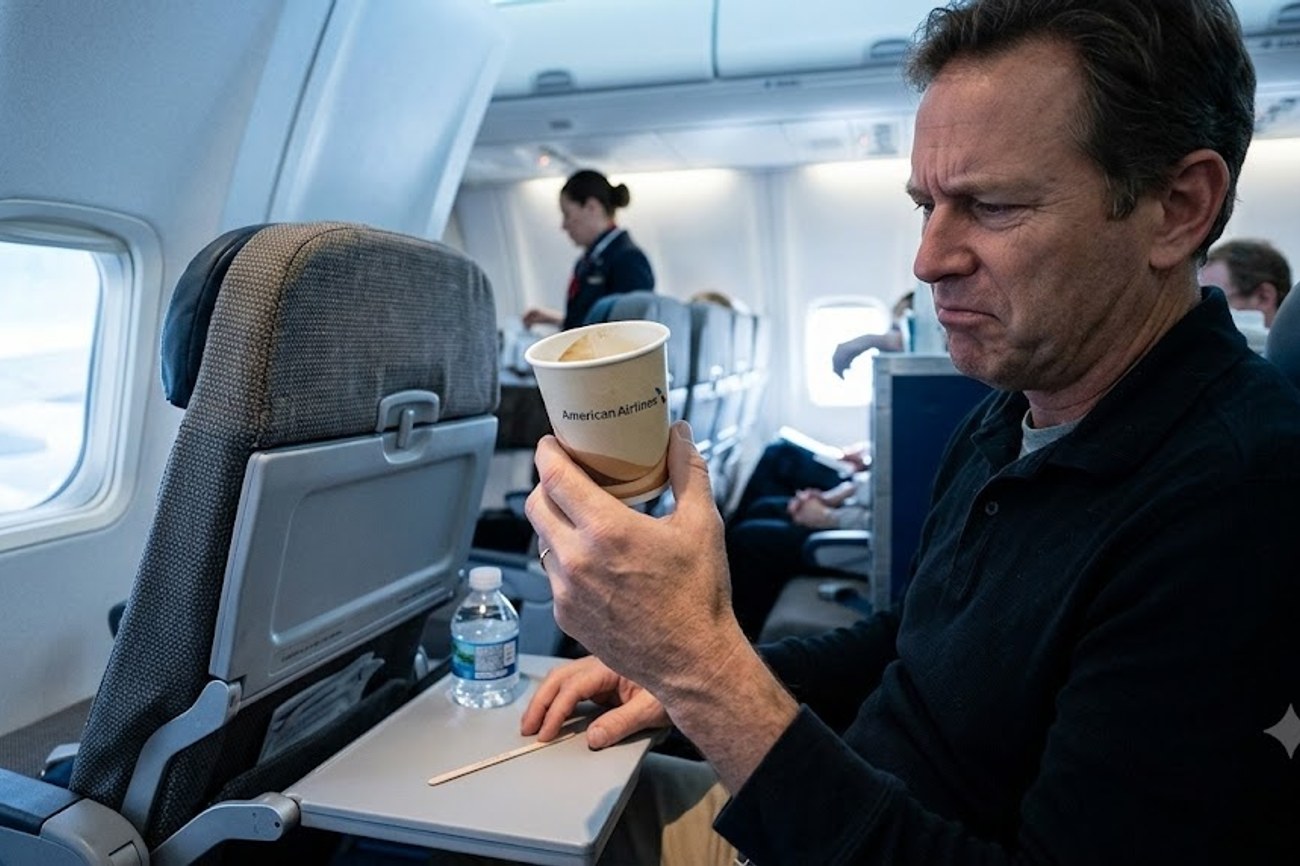
Image generated by AI
[New York, September 14, 2026] — American Airlines and JetBlue are facing intense scrutiny following a water-quality study that detected bacteria in onboard water tanks, sparking a wider debate over the hygiene and taste of in-flight coffee and tea. The research, which utilized a specific "Airline Water Health Score" to evaluate commercial aircraft systems, revealed significant disparities in water management practices across major US carriers.
The study focused on the systemic integrity of aircraft drinking water tanks rather than the coffee beans themselves. However, because onboard hot beverages are brewed using this stored water, the findings have triggered a wave of passenger anxiety regarding the safety of the "pot coffee" served in economy and premium cabins. While some carriers demonstrated high adherence to hygiene standards, others lagged, raising questions about the consistency of maintenance schedules for water storage systems.
Bacterial Contamination and Systemic Failures
The immediate trigger for this controversy is a detailed analysis of airline water systems that evaluated bacterial levels and general water management. The research indicates that the complex nature of aircraft water tanks—which must remain functional across multiple long-haul flights and be serviced at various international airports—creates vulnerabilities in sanitation.
According to the data, the "Airline Water Health Score" serves as a benchmark for how well a carrier manages its potable water. The study found that while some airlines maintain rigorous cleaning cycles, others allow systems to degrade, potentially introducing bacteria into the water supply. Because the heating process used for coffee and tea is not always sufficient to eliminate all contaminants, the quality of the source water becomes the primary variable in passenger health and beverage flavor.
The Federal Aviation Administration (FAA) and other regulatory bodies mandate strict standards for aircraft maintenance, but this study suggests a gap between regulatory requirements and actual onboard execution. The findings highlight that water servicing practices vary wildly between airports, meaning a plane's water quality can change depending on where it was last refilled.
Impacted Carriers and Performance Rankings
The study created a clear divide between "better-performing" carriers and those with significant hygiene concerns. The following table breaks down the rankings based on the Airline Water Health Score:
| Airline | Water Quality Score | Performance Category |
|---|---|---|
| Alaska Airlines | Higher Score | Better-performing carrier |
| Delta Air Lines | Higher Score | Better-performing carrier |
| Frontier Airlines | Higher Score | Better-performing carrier |
| American Airlines | Lower Score | More concerns raised |
| JetBlue Airways | Lower Score | More concerns raised |
| Mesa Airlines | Lower Score | Regional airline concerns |
The disparity is particularly notable among major US carriers. While Delta and Alaska Airlines are positioned as leaders in water system hygiene, American Airlines and JetBlue have been singled out for lower scores. Mesa Airlines, operating as a regional carrier, also fell into the lower-scoring bracket, suggesting that regional fleets may face more challenges in maintaining water tank purity.
What This Means for Travelers
For the average passenger, these findings translate to a tangible risk regarding the consumption of any beverage brewed with onboard tap water. While the study does not claim that every cup of coffee is toxic, it proves that the baseline hygiene of the water tanks is inconsistent.
PASSENGER IMPACT ASSESSMENT:
- Avoid Tap-Based Drinks: Travelers concerned about bacterial exposure should avoid coffee, tea, and water dispensed from the aircraft's galley taps.
- Prioritize Sealed Options: The safest alternative is to consume factory-sealed bottled water or canned beverages that do not rely on the plane's internal plumbing.
- Taste Degradation: Beyond health risks, the presence of minerals and contaminants in lower-scoring airlines' tanks directly affects the flavor of the coffee, often resulting in a bland or "off" taste.
- Altitude Interference: Passengers should note that at cruising altitude, taste and smell sensitivity decrease. This, combined with poor water quality, often makes in-flight coffee taste significantly worse than ground-based alternatives.
The Evolution of In-Flight Beverage Standards
The backlash comes at a time when passenger expectations are shifting toward "café-quality" experiences. Modern travelers no longer accept mediocre coffee as a standard of air travel; they expect specialty brews and consistent quality. This has forced airlines to treat beverage programs as part of their core branding and customer satisfaction strategy.
Some airlines have already moved to mitigate these issues by partnering with established brands. Delta Air Lines has integrated Starbucks products to ensure a level of consistency, while Alaska Airlines has sought partnerships with specialty coffee brands to elevate their offering. These moves are designed to distance the airline from the "stale coffee" reputation and provide a more controlled product.
However, the current controversy proves that premium beans cannot fix a contaminated water source. Even the highest-grade coffee will taste poor if the water used for brewing contains high mineral deposits or bacterial biofilms. The industry is now facing pressure to move toward more advanced filtration systems or pre-bottled water for brewing in premium cabins.
Future Outlook and Regulatory Pressure
Moving forward, the aviation industry is expected to face increased pressure to standardize water tank sterilization protocols. The difference in scores between Frontier (a low-cost carrier) and American (a legacy carrier) suggests that the issue is not about budget, but about operational discipline and maintenance oversight.
Airlines are likely to invest more heavily in onboard water filtration technology to regain passenger trust. We can expect to see a shift toward more transparent reporting on water quality and perhaps a move toward "closed-loop" brewing systems that do not rely on the aircraft's main water tanks.
The European Union Aviation Safety Agency (EASA) and other global regulators may be prompted to review the frequency of mandated water system inspections if bacterial findings become a recurring trend across the industry. For now, the burden of risk management remains with the passenger.
FAQ: Airline Water Quality 2026
Is it dangerous to drink airline coffee? While not every cup is unsafe, the study found bacterial presence in some carriers' tanks. To eliminate risk, avoid beverages brewed with onboard water and choose sealed, bottled alternatives.
Which airlines have the cleanest water systems? According to the recent study, Alaska Airlines, Delta Air Lines, and Frontier Airlines scored higher for water quality and system management.
Why does airline coffee taste different than ground coffee? Flavor is affected by the mineral content of the onboard water, the aircraft's heating systems, and the fact that your taste buds are less sensitive at high altitudes.
How can I ensure I am drinking safe water on a flight? Stick to factory-sealed bottled water. Avoid using the lavatory taps for brushing teeth or drinking, as these are connected to the same tank systems mentioned in the study.
Safe travels start with clean water.
#AmericanAirlines #JetBlue #DeltaAirLines #AviationHygiene #InFlightService2026 #AircraftWaterQuality
Related Travel Guides
Disclaimer
This article is for informational and educational purposes only. It does not constitute legal, financial, or professional advice. While we strive to provide accurate and up-to-date information, travel policies, regulations, and conditions change rapidly. Always verify information with official sources before making travel decisions. Nomad Lawyer makes no representations about the accuracy, reliability, completeness, or suitability of the information provided. Readers should consult qualified professionals for advice specific to their circumstances. The views expressed in this article are those of the author and do not necessarily reflect the views of Nomad Lawyer.
Preeti Gunjan
Contributor & Community Manager
A passionate traveller and community builder. Preeti helps grow the Nomad Lawyer community, fostering engagement and bringing the reader experience to life.
Learn more about our team →