
Amakusa Airlines Offers 5,500 Yen Special Fares for Kumamoto Recovery
Amakusa Airlines launches a special 5,500 yen fare program on all routes to assist Kumamoto earthquake victims and support Kyushu regional recovery.

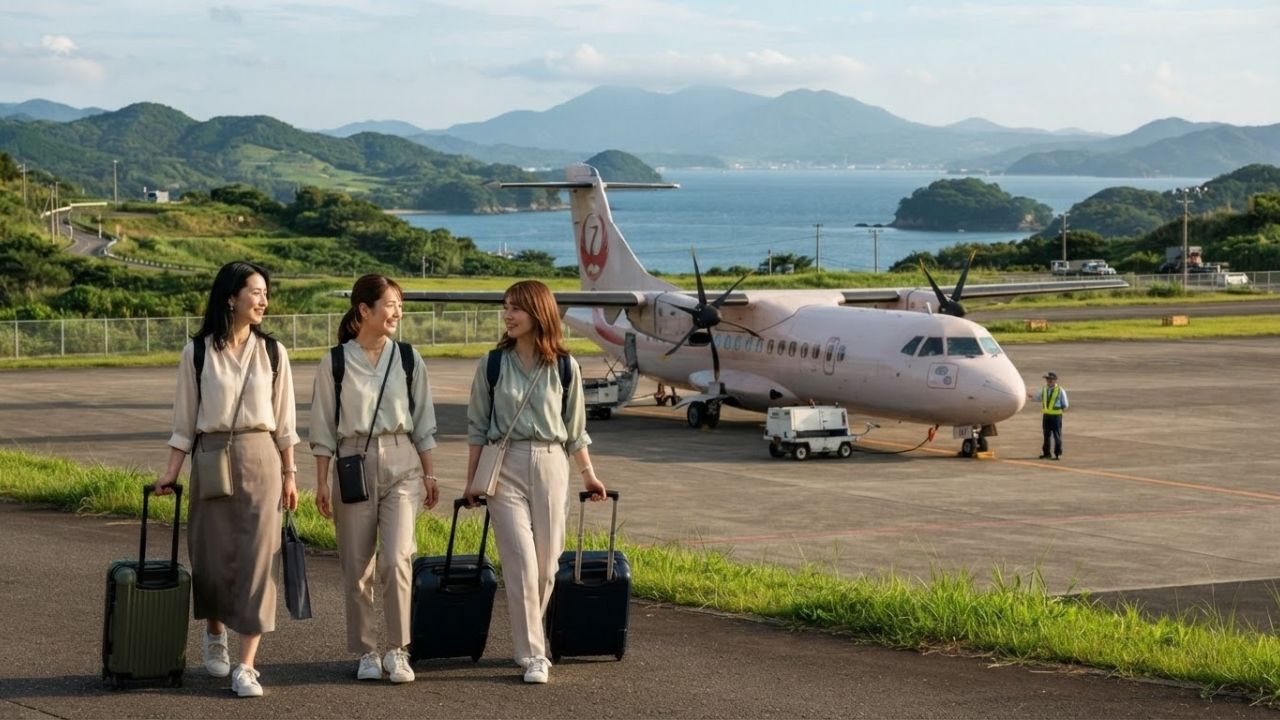
Image generated by AI
Earthquake-affected residents in Kyushu can now fly across regional routes for just 5,500 yen as Amakusa Airlines launches its disaster recovery fare program. The initiative slashes transportation costs to keep isolated communities connected and stimulate tourism-led economic recovery across Kumamoto Prefecture.
The Local Trend Revealed
Disaster recovery programs are redefining the role of regional aviation in Japan, moving smaller carriers beyond mere commercial operations into essential community lifelines. In Kumamoto Prefecture, Amakusa Airlines has initiated a trend by introducing a flat-rate 5,500 yen special fare across its entire route network. Designed specifically for passengers affected by the Kumamoto earthquake, the subsidy program ensures that necessary domestic travel remains accessible during the reconstruction phase.
As a localized carrier, Amakusa Airlines links the remote Amakusa Islands with major transit hubs. The 5,500 yen fare applies to critical regional corridors:
- Amakusa to Kumamoto: Connecting the scenic archipelago directly with the prefectural capital.
- Amakusa to Fukuoka: Linking regional travelers with Kyushu’s largest commercial center.
- Kumamoto to Osaka Itami: Providing a direct bridge between the recovering region and the Kansai metropolitan area.
Cultural & Environmental Value (Information Gain & Experience)
For the visitor, supporting Kumamoto's recovery is directly linked to sustainable travel choices. Utilizing regional aviation rather than high-emission transit helps maintain vital transport infrastructure in Kyushu without putting undue strain on local highway networks. According to safety and transport standards from Japan’s Ministry of Land, Infrastructure, Transport and Tourism (MLIT), regional airlines are vital for maintaining domestic connectivity in island communities.
This program encourages community-centric tourism. By making travel affordable, the initiative helps local businesses, guesthouses, and restaurants in Kumamoto and Amakusa survive the post-disaster downturn. Travelers visiting the region directly support the recovery of traditional heritage sites, local crafts, and family-owned orchards, ensuring that economic benefits flow directly to the communities affected by the seismic events.
Visitor Insider Tips
For travelers looking to visit Kumamoto and the Amakusa Islands responsibly, local tourism experts suggest the following recommendations:
- Off-Peak Visit Window: The best times to visit Kumamoto and the Amakusa region are October to November for mild autumn weather and foliage, or March to May for spring cherry blossoms.
- Cultural Etiquette: Show respect for the local recovery efforts by participating in community-led activities. When visiting sacred sites, such as the historic hidden Christian churches in Amakusa, maintain quiet and observe photography restrictions.
- Local Dining Specialties: Try Kumamoto Ramen, characterized by a garlic-infused tonkotsu (pork bone) broth. In the coastal Amakusa region, sample fresh-caught sea urchin (uni) and local octopus dishes.
- Under-the-Radar Spot: Visit the Amakusa Five Bridges (Amakusa Gokyo), which link the islands to the mainland, offering stunning ocean views. Take a guided eco-boat tour from the Shimoshima coast to observe wild Indo-Pacific bottlenose dolphins in their natural habitat.
- Booking Requirements: The 5,500 yen support fare is subject to eligibility checks. Travelers should consult the Japan National Tourism Organization (JNTO) for general travel guidelines and confirm documentation requirements directly with the airline prior to departure.
Tourism Outlook
The long-term recovery of Kumamoto's tourism economy relies heavily on maintaining active transportation channels. By ensuring affordable air access, Amakusa Airlines helps revitalize local visitor numbers. Information from the Kumamoto Prefectural Tourism Federation indicates that consistent transport links are vital for encouraging slow travel and overnight stays.
As Kumamoto continues its recovery, the resilience shown by regional carriers like Amakusa Airlines set a benchmark for future community support systems. Sustainable tourism, backed by affordable regional transit, will remain the cornerstone of Kyushu's economic and cultural restoration.
Related Travel Guides
Disclaimer
This article is for informational and educational purposes only. It does not constitute legal, financial, or professional advice. While we strive to provide accurate and up-to-date information, travel policies, regulations, and conditions change rapidly. Always verify information with official sources before making travel decisions. Nomad Lawyer makes no representations about the accuracy, reliability, completeness, or suitability of the information provided. Readers should consult qualified professionals for advice specific to their circumstances. The views expressed in this article are those of the author and do not necessarily reflect the views of Nomad Lawyer.
Kunal K Choudhary
Co-Founder & Contributor
A passionate traveller and tech enthusiast. Kunal contributes to the vision and growth of Nomad Lawyer, bringing fresh perspectives and driving the community forward.
Learn more about our team →