
Air India Modernizes Aircraft Maintenance Operations with Digital Technical Logbook Rollout Across Widebody Fleet: Latest Update
Air India receives DGCA approval to expand Electronic Technical Logbooks across its Boeing 787 and Boeing 777 fleets, improving maintenance efficiency.

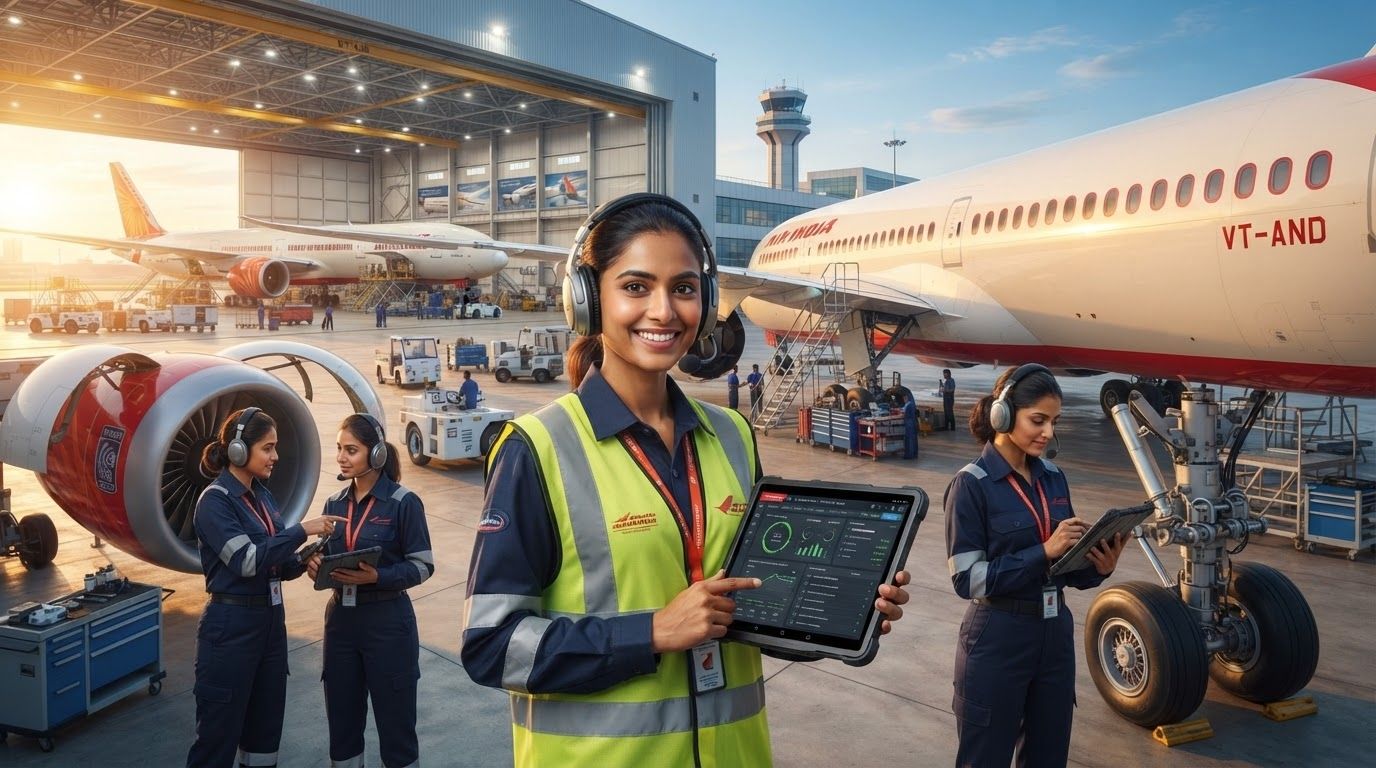
Image generated by AI
Published on July 15, 2026
In a major push to digitize its technical workflows, Air India is expanding the use of Electronic Technical Logbooks (ETL) across its widebody fleet. Following approval from India's Directorate General of Civil Aviation (DGCA), the carrier is transitioning its aircraft maintenance operations from paper technical records to a unified digital platform. The system is currently active on its Boeing 787 aircraft and is being rolled out across its Boeing 777 fleet to improve technical accuracy and communication.
Quick Summary
- Regulatory Clearance: Air India received official approval from the DGCA to replace paper logs with Electronic Technical Logbooks.
- Widebody Fleet Expansion: The digital maintenance system is currently operating on the Boeing 787 fleet and is preparing to deploy on Boeing 777 aircraft.
- Instant Data Sharing: Engineers and flight crews can record, view, and share maintenance logs instantly, speeding up aircraft turnaround times.
- Predictive Diagnostics: Digital records allow the airline to analyze maintenance trends and move closer to predictive maintenance models.
- Paperless Goal: The digital shift supports sustainability efforts by reducing the printing and transport of physical documents.
Context and Background: The Shift from Paper to Digital Technical Records
Aviation maintenance relies on detailed technical records that track inspections, repairs, and engineering actions. Historically, airlines have managed these records through paper logs, requiring manual entries and physical transport of files between engineering, flight crews, and regulatory inspectors.
To simplify these complex processes, modern carriers are transitioning to paperless systems. Transitioning to digital logbooks helps Air India streamline its aircraft maintenance operations, reducing administrative errors and providing real-time visibility into the technical status of its long-haul fleet.
Event and Incident Details: Regulatory Approval and Fleet-Wide Deployment
The rollout of the Electronic Technical Logbook follows a rigorous review and approval process by the Directorate General of Civil Aviation (DGCA). The regulatory clearance allows Air India to establish the digital logbook as the primary technical record system for its Boeing 787 Dreamliner fleet, with deployment preparations underway for its Boeing 777 aircraft.
The digital system replaces manual paper logs with a secure cloud-based platform accessible by maintenance crews at airports worldwide. This ensure that engineering teams can view an aircraft's complete technical history before it lands, allowing them to prepare tools and parts in advance:
| Fleet Type | Implementation Phase | Primary Operational Benefits |
|---|---|---|
| Boeing 787 Dreamliner | Fully Operational | Primary digital technical record system, real-time log sharing. |
| Boeing 777 | Deployment Preparation | Streamined widebody coordination, standardized maintenance records. |
Risk and Impact: Addressing Implementation Challenges in Technical Operations
While transitioning to digital records offers significant benefits, it also introduces several operational challenges that engineering teams must manage:
- System Integration: Connecting the digital logbook with existing airline scheduling, parts inventory, and engineering databases requires careful software integration.
- Training and Adoption: Training hundreds of engineers, line mechanics, and pilots to use the new digital interface is essential to prevent reporting delays.
- Data Security: Protecting digital technical records from unauthorized access and cyber threats requires secure networks and data backup protocols.
- Connectivity Needs: The system requires reliable internet connections at international outstations to ensure logbooks update correctly before flights depart.
What Authorities Are Saying: Compliance and Safety Benefits
Aviation safety regulators emphasize that accurate technical records are essential to passenger safety and compliance. The DGCA's approval confirms that Air India's digital logbook meets the strict regulatory standards required for commercial operations.
Air India’s engineering leadership noted that the digital platform strengthens operational control over the widebody fleet. Having a secure and organized digital record makes it easier to verify compliance during routine audits and inspections.
Practical Traveler Advice: How Fleet Reliability Upgrades Benefit Passengers
While digital logbooks are an internal airline tool, the upgrade directly benefits travelers through improved operational reliability:
- Reduced Maintenance Delays: Real-time data sharing allows engineers to address technical issues faster, reducing departure delays.
- Improved On-Time Performance: Faster communication between flight crews and ground teams supports quicker turnaround times at transit hubs.
- Enhanced Fleet Availability: Preemptive maintenance planning helps ensure that widebody aircraft remain available for scheduled international routes.
- Improved Safety Standards: Digital records ensure that all maintenance actions are tracked, maintaining high safety standards.
Broader Context: Air India's Modern Engineering Ecosystem
The rollout of the Electronic Technical Logbook is part of Air India’s wider investment in advanced digital tools to modernize its engineering capabilities. The airline is building an integrated engineering ecosystem where decisions are driven by real-time data rather than manual logs.
This digital transformation is crucial as the airline continues to expand its international network. Operating a modern fleet of Boeing 787 and Boeing 777 aircraft requires coordinated maintenance systems that can support operations across multiple continents.
What to Expect Next: Scaling Toward Predictive Maintenance Models
As the digital logbook collects data over time, Air India will use these insights to analyze fleet performance and recurring technical issues. This data-driven approach will help engineering teams identify maintenance trends and plan repairs more efficiently.
Over the long term, the airline plans to move toward predictive maintenance models. By identifying potential issues before they cause delays, the carrier can improve long-term fleet reliability, reduce operational costs, and provide a smoother travel experience for passengers.
Conclusion: A Digital Future for Fleet Maintenance
The expansion of Electronic Technical Logbooks across Air India's widebody fleet marks an important milestone in the modernization of its aircraft maintenance operations. By replacing paper records with a secure digital platform, the airline is improving communication, accuracy, and compliance across its global network. As the aviation industry continues to adopt digital tools, these systems will remain essential to helping airlines run safer, smarter, and more reliable flight operations.
FAQ: Air India Electronic Technical Logbook Rollout
What is an Electronic Technical Logbook (ETL)?
An Electronic Technical Logbook is a digital record system that replaces paper logbooks, allowing flight crews and engineers to record and manage aircraft maintenance data in real time.
Which Air India aircraft use the digital logbook system?
The system is currently active on Air India's Boeing 787 Dreamliner fleet and is preparing to deploy on its Boeing 777 widebody aircraft.
How does this upgrade benefit travelers?
By allowing engineers to share and analyze technical data instantly, the system helps reduce maintenance-related flight delays and improves on-time performance.
Is the digital logbook system approved by safety regulators?
Yes. Air India received official approval from the Directorate General of Civil Aviation (DGCA) to replace paper records with the digital logbook system.
Related Travel Guides
10 Aviation Maintenance Hubs Shaping Modern Travel, According To Reddit
Disclaimer
This article is for informational and educational purposes only. It does not constitute legal, financial, or professional advice. While we strive to provide accurate and up-to-date information, travel policies, regulations, and conditions change rapidly. Always verify information with official sources before making travel decisions. Nomad Lawyer makes no representations about the accuracy, reliability, completeness, or suitability of the information provided. Readers should consult qualified professionals for advice specific to their circumstances. The views expressed in this article are those of the author and do not necessarily reflect the views of Nomad Lawyer.
Kunal K Choudhary
Co-Founder & Contributor
A passionate traveller and tech enthusiast. Kunal contributes to the vision and growth of Nomad Lawyer, bringing fresh perspectives and driving the community forward.
Learn more about our team →