
African Aviation Giant Ethiopian Airlines Commits to Six Additional Boeing 787 Dreamliners, Expanding Long-Haul Capacity
Breaking airline news and aviation industry updates for 2026.

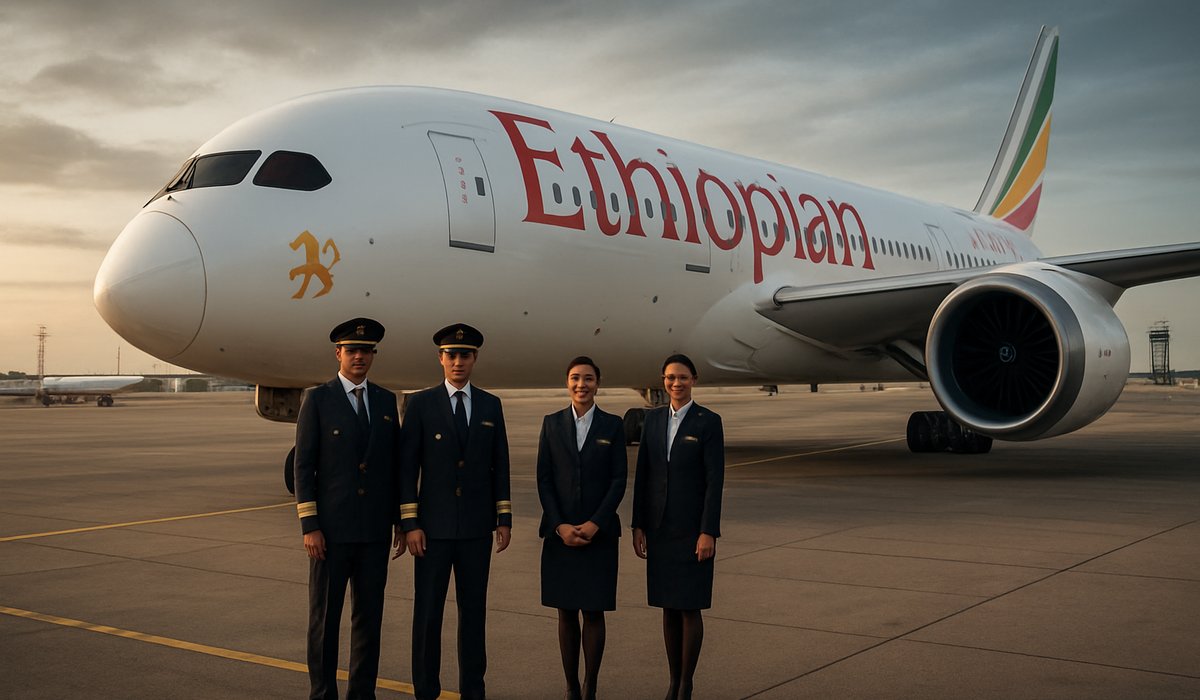
Image generated by AI
African Aviation Giant Ethiopian Airlines Commits to Six Additional Boeing 787 Dreamliners, Expanding Long-Haul Capacity
The continent's leading carrier solidifies its fleet modernization strategy with firm order conversion, signaling confidence in post-pandemic recovery and regional connectivity
Major Fleet Expansion Announced
Ethiopian Airlines, Africa's largest carrier by passenger volume and operational fleet size, has officially converted six optional Boeing 787-9 Dreamliner orders into firm commitments, the airline announced today. The decisive move underscores the carrier's aggressive expansion strategy as the global aviation industry rebounds from pandemic-related disruptions and regional carriers vie for market dominance in long-haul connectivity.
The six twin-engine widebody aircraft represent a significant investment in the airline's modernization roadmap, building upon its existing Dreamliner operations and positioning the Addis Ababa-based carrier as the continent's premier operator of Boeing's fuel-efficient flagship model.
Strategic Positioning in Competitive Markets
The purchase reflects Ethiopian Airlines' confidence in sustained demand for premium long-haul capacity across African, Middle Eastern, and European routes. The Boeing 787-9 variant offers substantial advantages over aging widebody aircraft, including a 20-percent reduction in fuel consumption, lower jet fuel costs per available seat kilometer, and enhanced passenger comfort features that justify premium baggage charges and ancillary service pricing models increasingly critical to airline profitability.
Industry analysts note that the order timing coincides with broader capacity constraints affecting global aviation, where elevated fuel surcharges and operational costs have prompted carriers to retire inefficient fleets in favor of modern, fuel-sipping alternatives.
Fleet Modernization Across Africa's Leading Carrier
This expansion builds on Ethiopian Airlines' existing Dreamliner portfolio, deepening its technological advantage over regional competitors. The aircraft's extended range capabilities—up to 7,635 nautical miles—enable direct routing between African hubs and long-haul international markets, reducing connection points and improving competitive positioning against carriers from Europe and the Middle East.
The 787-9 accommodates between 242 and 330 passengers depending on configuration, allowing Ethiopian Airlines to optimize seating density and airline fees structures across its network while maintaining cabin pressurization and humidity levels that enhance passenger experience on transcontinental flights.
Broader Industry Implications
The order signals sustained confidence in aviation's recovery trajectory despite geopolitical uncertainties and volatile crude oil markets affecting jet fuel prices globally. As emerging market carriers prioritize modern, efficient fleets, African aviation is positioning itself as a growth engine for Boeing and the broader aerospace supply chain.
FAQ: Aviation Industry Trends & Airline Fleet Expansion
What is a Boeing 787 Dreamliner, and why do airlines prefer it? The 787 is a long-range, fuel-efficient widebody aircraft that reduces jet fuel consumption by approximately 20 percent compared to older models, directly lowering operating costs and airline fees burden on passengers.
How do aircraft orders impact airline baggage charges and pricing? Modern, efficient aircraft like the 787 improve per-seat economics, though airlines typically maintain baggage charges and ancillary fees to maximize profitability rather than passing savings directly to consumers.
Why is Ethiopian Airlines' order significant for African aviation? It demonstrates confidence in the continent's long-haul connectivity potential and positions African carriers competitively against Middle Eastern and European operators.
How do fuel prices influence aircraft purchasing decisions? Rising crude oil costs make fuel-efficient aircraft increasingly attractive, as lower jet fuel consumption directly improves airline margins and competitiveness.
What does "converting optional orders to firm orders" mean? Airlines typically negotiate options during initial negotiations, allowing flexibility. Conversion to firm orders signals genuine commitment and typically triggers manufacturing schedules and aircraft delivery timelines.
Related Travel Guides
Flight Delay Compensation Guide 2026
Understanding Airline Route Changes
Airport Security Process Updated (2026)
External Resources
Disclaimer
This article is for informational and educational purposes only. It does not constitute legal, financial, or professional advice. While we strive to provide accurate and up-to-date information, travel policies, regulations, and conditions change rapidly. Always verify information with official sources before making travel decisions. Nomad Lawyer makes no representations about the accuracy, reliability, completeness, or suitability of the information provided. Readers should consult qualified professionals for advice specific to their circumstances. The views expressed in this article are those of the author and do not necessarily reflect the views of Nomad Lawyer.
Preeti Gunjan
Contributor & Community Manager
A passionate traveller and community builder. Preeti helps grow the Nomad Lawyer community, fostering engagement and bringing the reader experience to life.
Learn more about our team →