Alaska Airlines Launches Inaugural Safety Video After 94 Years, Marking Historic Entry Into Long-Haul International Service

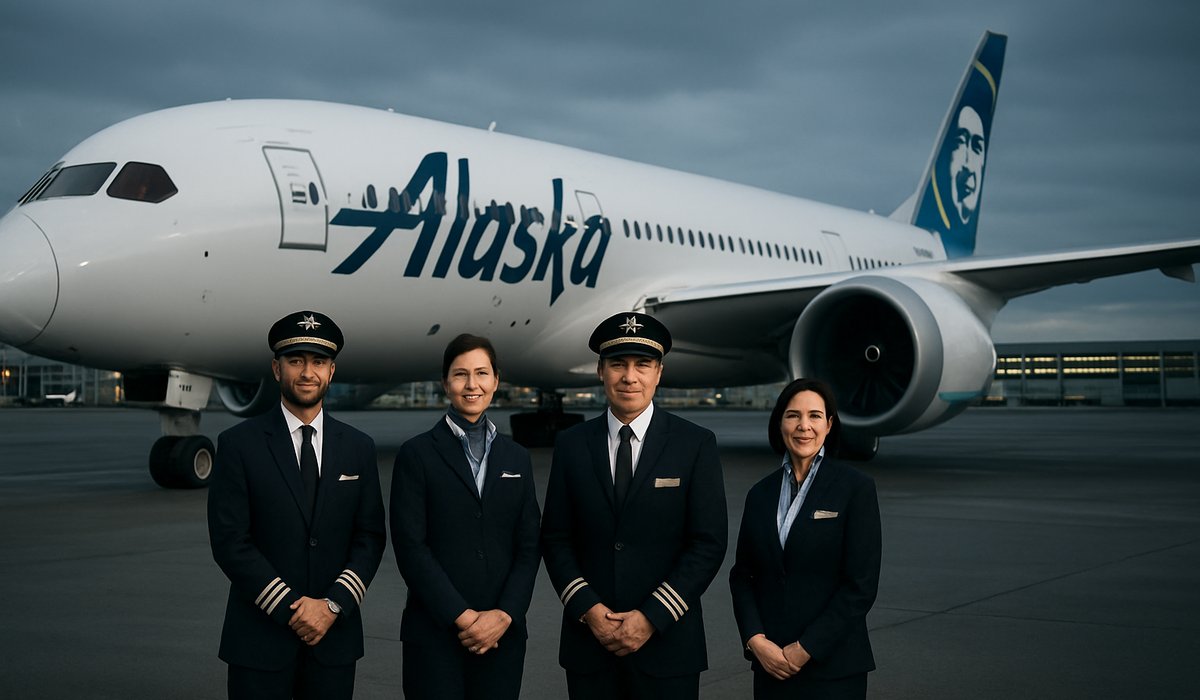
Image generated by AI
Carrier deploys custom safety briefing on new 787 Dreamliner routes as it expands beyond domestic operations for the first time
A Long-Overdue Milestone for Alaska's Expansion
Alaska Airlines has produced its first-ever onboard safety video in nearly a century of operations, a significant milestone that underscores the carrier's ambitious pivot into international long-haul travel. The custom safety briefing will premiere across the airline's Boeing 787-9 Dreamliner fleet as it initiates service on intercontinental routes departing from Seattle-Tacoma International Airport, marking a watershed moment for the regional carrier's evolution into a global player.
The timing is particularly noteworthy: Alaska Airlines is preparing to launch its inaugural transatlantic service connecting Seattle to Rome's Fiumicino Airport, a route that fundamentally reshapes the airline's operational scope and competitive positioning in the international aviation market. The new safety video represents more than regulatory compliance—it signals the airline's commitment to professionalizing its brand presentation as it courts international passengers accustomed to established carriers' production standards.
Strategic Implications for the Regional Carrier
For nearly 95 years, Alaska Airlines operated exclusively on domestic routes, relying on verbal safety briefings and basic visual demonstrations. The absence of a branded safety video was less a limitation than a reflection of the carrier's regional focus, which emphasized point-to-point connections across North America rather than intercontinental operations.
The introduction of the 787-9 Dreamliner represents a substantial capital investment, enabling Alaska to extend its operational range to European destinations while offering the fuel efficiency and passenger comfort features that modern long-haul travelers increasingly demand. The new aircraft's advanced avionics, larger windows, and improved cabin pressure reduce passenger fatigue on extended flights—critical advantages as the airline competes for premium cabin revenue on transatlantic crossings.
Broader Industry Context
Alaska's entry into long-haul international aviation reflects broader market trends reshaping U.S. regional carriers. Rising jet fuel prices have pressured airlines to optimize fleet utilization, while competitive dynamics in the Pacific Northwest have made European expansion strategically valuable. By establishing direct Seattle-Rome service, Alaska positions itself to capture connecting traffic from its west coast network while competing directly with legacy carriers and other regional airlines pursuing similar expansion strategies.
The custom safety video demonstrates professionalization efforts that appeal to international travelers unfamiliar with the brand, addressing a critical consumer perception gap as the airline elevates its service profile beyond its traditional regional customer base.
Looking Forward
As Alaska Airlines integrates international operations, industry observers will monitor load factors, revenue performance, and competitive responses from established carriers serving transatlantic markets. The airline's successful expansion depends not only on aircraft acquisition but on cultivation of sophisticated brand perception—beginning with the details captured in that first safety briefing.
FAQ: Alaska Airlines' International Expansion and Long-Haul Service
Q: Why did Alaska Airlines take 94 years to produce a safety video? A: The carrier historically operated exclusively on domestic routes where verbal safety briefings and basic demonstrations were sufficient. International long-haul service requires more sophisticated, professionally produced safety content to meet passenger expectations and regulatory standards for extended-range operations.
Q: What aircraft is Alaska Airlines using for its Rome route? A: Alaska Airlines operates the Boeing 787-9 Dreamliner on its new transatlantic services, offering improved fuel efficiency, longer operational range, and enhanced passenger comfort features compared to traditional narrowbody jets.
Q: How does Alaska Airlines' expansion affect airline fees and travel costs? A: New long-haul capacity typically increases competition on transatlantic routes, potentially moderating fares. However, Alaska's baggage policies and ancillary fees will align with its existing structure as it expands, though international carriers sometimes adjust pricing to reflect premium long-haul service.
Q: Which other U.S. regional carriers operate international long-haul service? A: Southwest Airlines has expanded into limited international service, while carriers like JetBlue and Spirit have offered Caribbean and Latin American routes. Alaska's European service distinguishes it among traditionally domestic-focused U.S. regional airlines.
Q: How do jet fuel prices impact Alaska Airlines' new long-haul operations? A: Extended-range routes require significantly more fuel than domestic flights, making fuel prices a critical operational expense. The 787's fuel-efficient design helps mitigate this pressure, but sustained high jet fuel costs could impact profitability on these routes.
Related Travel Guides
This article is for informational purposes. Flight routes, passenger regulations, visa rules, and transit advisories are subject to change by airlines and aviation authorities. Readers are advised to verify schedules and travel documentation with relevant carriers and border agencies before departure.
Related Stories
Alaska Airlines Connects Anchorage with Dallas, Austin, and Nashville in Summer 2027 Domestic Network Expansion
Ultra-Comfortable Budget Flights: How Singapore, Japan, Malaysia, and Spain Are Redefining Long-Haul Low-Cost Air Travel