
Boeing 777X: 6 Years Late, $15 Billion Over Budget — 2026 Crisis
Boeing's 777X is 6 years behind schedule and $15 billion over budget in 2026 — the full story of the certification crisis impacting airlines and passengers.

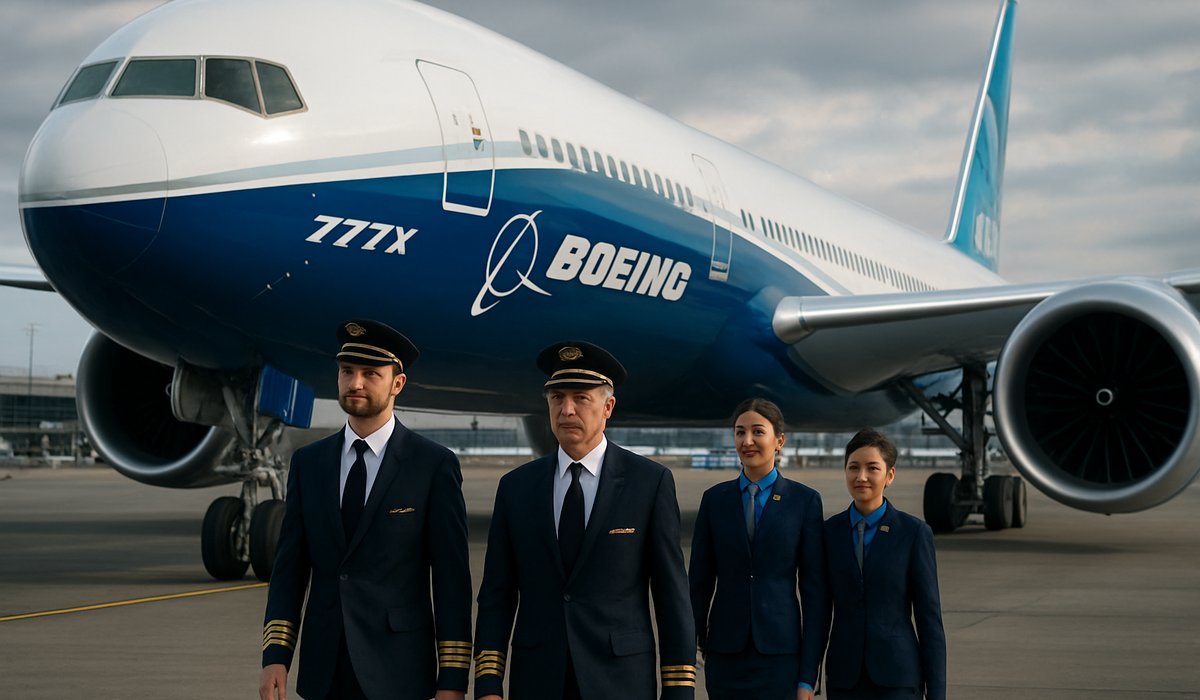
Image generated by AI
Boeing's 777X Certification Crisis: How a $15 Billion Program Spiraled Six Years Behind Schedule
The aircraft manufacturer's flagship wide-body jet faces unprecedented delays as regulators tighten oversight and production challenges mount
The Unraveling of Aviation's Most Ambitious Project
Boeing's 777X program—once heralded as the successor to one of aviation's most profitable aircraft families—has become emblematic of the aerospace industry's current turbulence. What was supposed to be a straightforward modernization of the proven 777 platform has transformed into a cautionary tale of regulatory complexity, engineering setbacks, and mounting financial exposure. The program now lags approximately six years behind its original certification timeline, with cumulative development expenditures exceeding $15 billion.
The 777X was envisioned as a game-changing aircraft: boasting revolutionary folding wingtip technology, substantially improved fuel economics, and expanded range capabilities designed to capture long-haul market demand. Instead, the initiative has become a lightning rod for industry scrutiny and a test case for how regulatory agencies worldwide approach aircraft certification in an era of heightened safety consciousness.
Where Certification Stands Today
The certification pathway has proven far more arduous than Boeing anticipated. Multiple development challenges—including structural testing complications, software validation difficulties, and evolving regulatory requirements—have compounded delays across both the U.S. Federal Aviation Administration (FAA) and international aviation authorities.
The program's trajectory reflects broader pressures reshaping commercial aviation. Following high-profile safety incidents and subsequent Boeing crises, regulators have implemented more rigorous certification protocols. These enhanced oversight measures, while necessary for passenger safety, have extended approval timelines considerably. Simultaneously, post-pandemic market shifts have altered demand forecasts, forcing Boeing to recalibrate production schedules and customer commitments.
Financial and Strategic Implications
The $15 billion-plus investment represents an extraordinary financial commitment for any manufacturer. These cost overruns have rippled through Boeing's balance sheet, affecting shareholder returns and constraining capital allocation for other development initiatives. The extended timeline also creates competitive vulnerability: Airbus's competing A350 platform continues capturing orders, while regional manufacturers refine alternative offerings.
Airlines awaiting 777X deliveries face operational planning complications. Carriers who positioned these aircraft to replace aging wide-body fleets must now extend the service life of existing aircraft or accelerate orders for interim solutions—decisions with profound implications for fleet economics and carbon emission targets.
Industry-Wide Ramifications
The 777X delays underscore systemic challenges confronting aerospace manufacturers. Supply chain vulnerabilities, labor constraints, and the complexity of integrating cutting-edge systems have become industry-wide headwinds. For commercial aviation's recovery trajectory and long-term sustainability, resolution of the 777X program matters significantly.
FAQ: Understanding the 777X Certification Delays
Q: Why has Boeing's 777X certification taken so long? A: Multiple factors contributed: enhanced regulatory oversight following prior safety incidents, complex structural and software validation requirements, and evolving international certification standards. Regulators are implementing more rigorous protocols before approving new aircraft.
Q: How does the 777X delay affect airlines and ticket prices? A: Airlines cannot deploy these aircraft as planned, forcing them to extend older aircraft service or purchase alternatives, potentially impacting fleet modernization costs and, indirectly, operating expenses passed to consumers.
Q: What makes the 777X different from the original 777? A: The 777X features folding wingtip technology for improved efficiency, enhanced fuel economy, greater range capability, and modernized avionics—designed for contemporary long-haul operations.
Q: How does this compare to Airbus's competitive offerings? A: Airbus's A350 platform has captured significant market share during 777X delays, giving competitors strategic advantage in securing airline orders.
Q: What's the timeline for 777X entry into service? A: While specific dates remain fluid, Boeing continues working toward certification with major airlines expecting deliveries, though timelines have proven unreliable and remain subject to regulatory approval progress.
Related Travel Guides
Flight Delay Compensation Guide 2026
Understanding Airline Route Changes
Airport Security Process Updated (2026)
External Resources
Disclaimer
This article is for informational and educational purposes only. It does not constitute legal, financial, or professional advice. While we strive to provide accurate and up-to-date information, travel policies, regulations, and conditions change rapidly. Always verify information with official sources before making travel decisions. Nomad Lawyer makes no representations about the accuracy, reliability, completeness, or suitability of the information provided. Readers should consult qualified professionals for advice specific to their circumstances. The views expressed in this article are those of the author and do not necessarily reflect the views of Nomad Lawyer.
Preeti Gunjan
Contributor & Community Manager
A passionate traveller and community builder. Preeti helps grow the Nomad Lawyer community, fostering engagement and bringing the reader experience to life.
Learn more about our team →