Modern Aircraft Landing Gear Systems Push the Boundaries of Engineering Excellence


Image generated by AI
Next-generation technology in Boeing and Airbus jets demonstrates breakthrough advances in safety, efficiency, and durability
Engineering Marvels Taking Flight
The landing gear systems equipping today's most advanced commercial aircraft represent a quantum leap in aerospace engineering, incorporating sophisticated technologies designed to handle the extreme stresses of repeated takeoffs and landings across the globe's busiest airports.
Aircraft such as the Boeing 787 Dreamliner and Airbus A350 feature landing gear assemblies capable of converting nearly 90% of kinetic energy upon touchdown—a remarkable achievement that reduces wear on critical components while enhancing passenger safety during landing operations.
Six Critical Design Innovations Reshaping Aviation Safety
Modern landing gear systems now incorporate unprecedented capabilities that address the rigorous demands of contemporary air travel. The braking mechanisms can withstand temperatures exceeding 1,000°C—comparable to the heat of molten lava—without structural failure, a crucial advancement given the friction generated during high-speed descents.
Perhaps most impressively, these systems employ adaptive pressure modulation technology capable of adjusting brake force up to 20 times per second. This rapid-response capability allows flight control systems to optimize braking force in real-time, accounting for variables such as runway conditions, aircraft weight distribution, and weather factors. The result is more consistent, predictable landing performance and reduced strain on mechanical components.
Additional design features include advanced materials engineering—utilizing titanium alloys and composite polymers that deliver superior strength-to-weight ratios—and integrated electronic monitoring systems that provide continuous diagnostics throughout an aircraft's operational lifespan.
Impact on the Global Aviation Industry
These technological advances carry significant implications for airlines operating modern fleets. Enhanced landing gear reliability translates to reduced maintenance costs and improved aircraft availability, directly affecting operational efficiency and profitability. For passengers, superior braking systems contribute measurably to safety outcomes and ride comfort during approach and landing phases.
As airlines worldwide continue modernizing their fleets with aircraft like the 787 and A350, the proliferation of advanced landing gear technology represents a broader industry shift toward engineering solutions that prioritize both safety and operational economics.
Aerospace manufacturers emphasize that these innovations result from decades of computational modeling, materials science research, and real-world testing—investments that ultimately benefit the entire aviation ecosystem.
Frequently Asked Questions
What makes modern aircraft landing gear systems more efficient than older designs? Contemporary systems achieve nearly 90% energy efficiency during landing through advanced shock absorption materials and hydraulic designs that minimize heat loss and mechanical stress compared to legacy technology.
Why can aircraft brakes withstand temperatures above 1,000°C? Modern brake assemblies utilize specialized ceramic and metallic composite materials engineered specifically to maintain structural integrity under extreme thermal conditions generated by high-speed friction.
How does 20-times-per-second brake pressure modulation improve safety? Rapid pressure adjustment allows aircraft systems to respond instantaneously to changing runway conditions, optimizing braking force and preventing skidding or uneven wear patterns.
Which aircraft feature the most advanced landing gear systems? The Boeing 787 Dreamliner and Airbus A350 represent the current generation of commercial aviation, both incorporating state-of-the-art landing gear technology as standard equipment.
Do advanced landing gear systems affect airline operating costs? Yes—enhanced reliability and durability reduce maintenance requirements and unscheduled downtime, contributing to improved aircraft utilization rates and lower per-flight operating expenses.
Related Travel Guides
- Pacific Coastal Airlines Triggers Regional Travel Chaos by Suspending Vancouver to Quesnel Flights, Stranding International Tourists from London, Paris, and Delhi: Latest Airline News
- American, Delta, and United Airlines Trigger Massive Flight Cancellations Across Atlanta, Dallas, and JFK, Unleashing Continental Travel Chaos: Latest Airline News
- March Limited Flights: Qatar Airways Reduces Schedule Until March 28, 2026
This article is for informational purposes. Flight routes, passenger regulations, visa rules, and transit advisories are subject to change by airlines and aviation authorities. Readers are advised to verify schedules and travel documentation with relevant carriers and border agencies before departure.
Related Stories
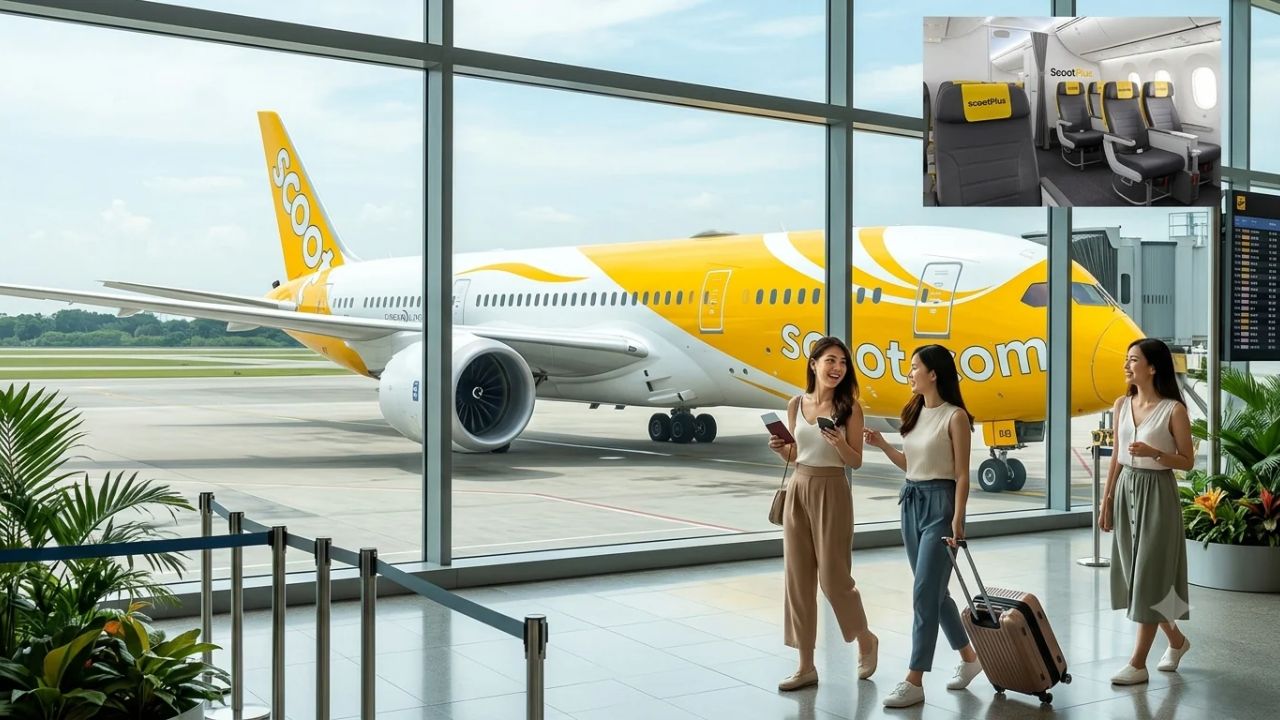
Ultra-Comfortable Budget Flights: How Singapore, Japan, Malaysia, and Spain Are Redefining Long-Haul Low-Cost Air Travel

Alaska Airlines Connects Anchorage with Dallas, Austin, and Nashville in Summer 2027 Domestic Network Expansion