12 Beautiful Small Cities in Italy That Reddit Travelers Recommend Over Rome and Venice

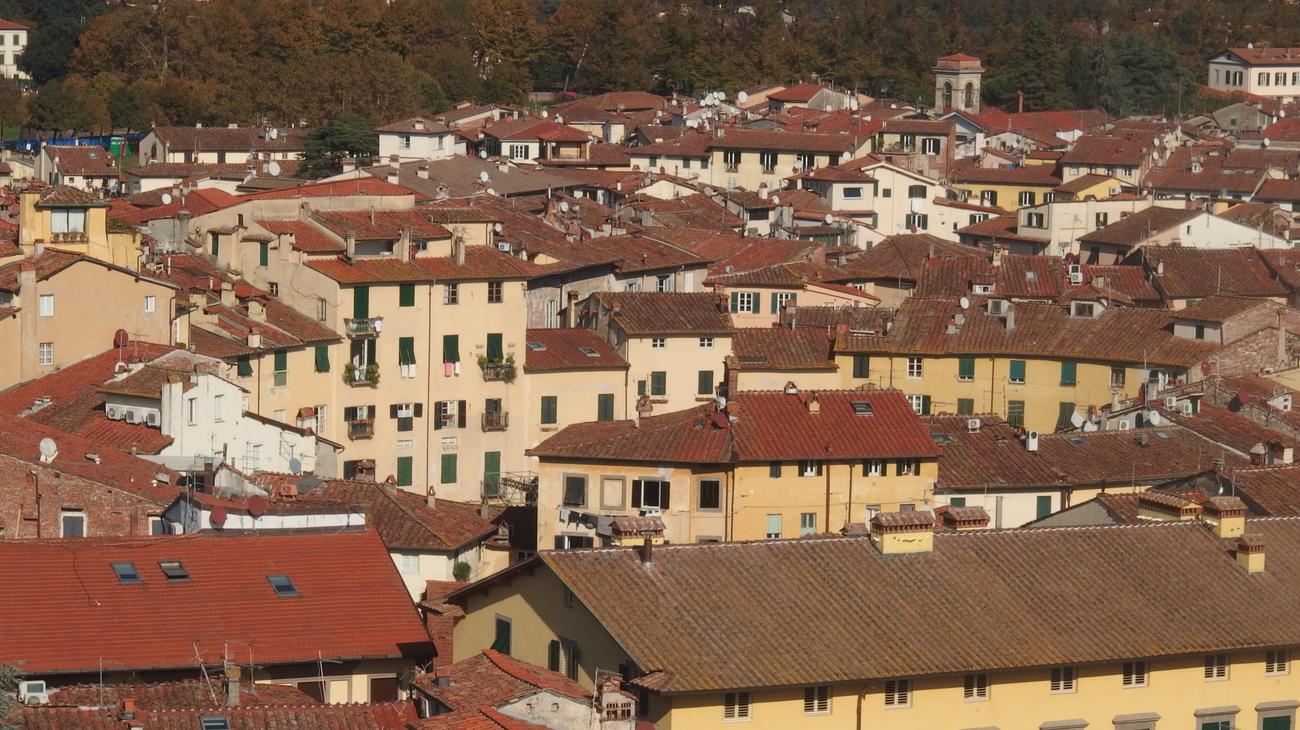
The elliptical Piazza dell'Anfiteatro in Lucca, Tuscany—built directly upon the foundations of a 2nd-century Roman amphitheater.
Few travel experiences test your patience quite like standing shoulder-to-shoulder with thousands of exasperated tourists in the sweltering July heat outside the Vatican Museums, or paying €18 for a mediocre lukewarm espresso near the Rialto Bridge while rolling suitcases rattle incessantly across ancient stone bridges.
Rome, Venice, and Florence will always hold immortal places in human history. But if your fantasy of Italy involves slow afternoon strolls down cobblestone alleys where elderly nonnas sit outside shelling peas, where local trattoria owners welcome you like long-lost family, and where a glass of regional wine costs €3 instead of €14, you need to step outside the standard mega-tourist triad.
On Reddit's r/ItalyTravel and r/travel communities, one piece of advice appears with overwhelming frequency: the real, beating heart of Italy is found in its smaller provincial cities.
From cliffside volcanic citadels and ancient troglodyte cave towns to walled Renaissance bicycle havens, here are the 12 beautiful small cities in Italy that Reddit travelers recommend over Rome and Venice.
1. Lucca, Tuscany — The City of Renaissance Walls & Bicycles
While Florence groans under the weight of tourism buses, Lucca—located just an hour west by regional train—feels like an oasis of aristocratic peace. Lucca’s crowning glory is its completely intact, four-kilometer-long 16th-century Renaissance defensive ramparts, which have been transformed into a wide, tree-canopied elevated park that encircles the entire historic center.
- Firsthand Experience: Renting a vintage cruiser bicycle for €5 and pedaling along the top of the ramparts beneath plane trees and red brick bastions is pure joy. Inside the walls, the streets are remarkably quiet and pedestrian-friendly. Walk into the Piazza dell'Anfiteatro, an elliptical town square built directly on the foundations of a 2nd-century Roman arena, lined with cozy cafés and wine bars. Climb the Torre Guinigi, an iconic medieval tower topped with a rooftop garden of mature holm oaks.
- Reddit Traveler Consensus: "Lucca is what people wish Florence was. It's safe, flat, easy to navigate, and serves incredible tortelli lucchese (pasta filled with spiced meats and covered in rich ragù)."
- Ideal Trip: 2 to 3 days, or use it as a relaxing base to explore Pisa (25 mins) and the Garfagnana mountains.
2. Matera, Basilicata — The Ancient Cave City Sunk in Time
Tucked away in the remote southern region of Basilicata, Matera is one of the oldest continuously inhabited settlements on Earth, dating back more than 10,000 years to the Paleolithic era. Its historic quarters, the Sassi di Matera, consist of thousands of ancient stone cave dwellings carved directly into the limestone canyon of the Gravina river.
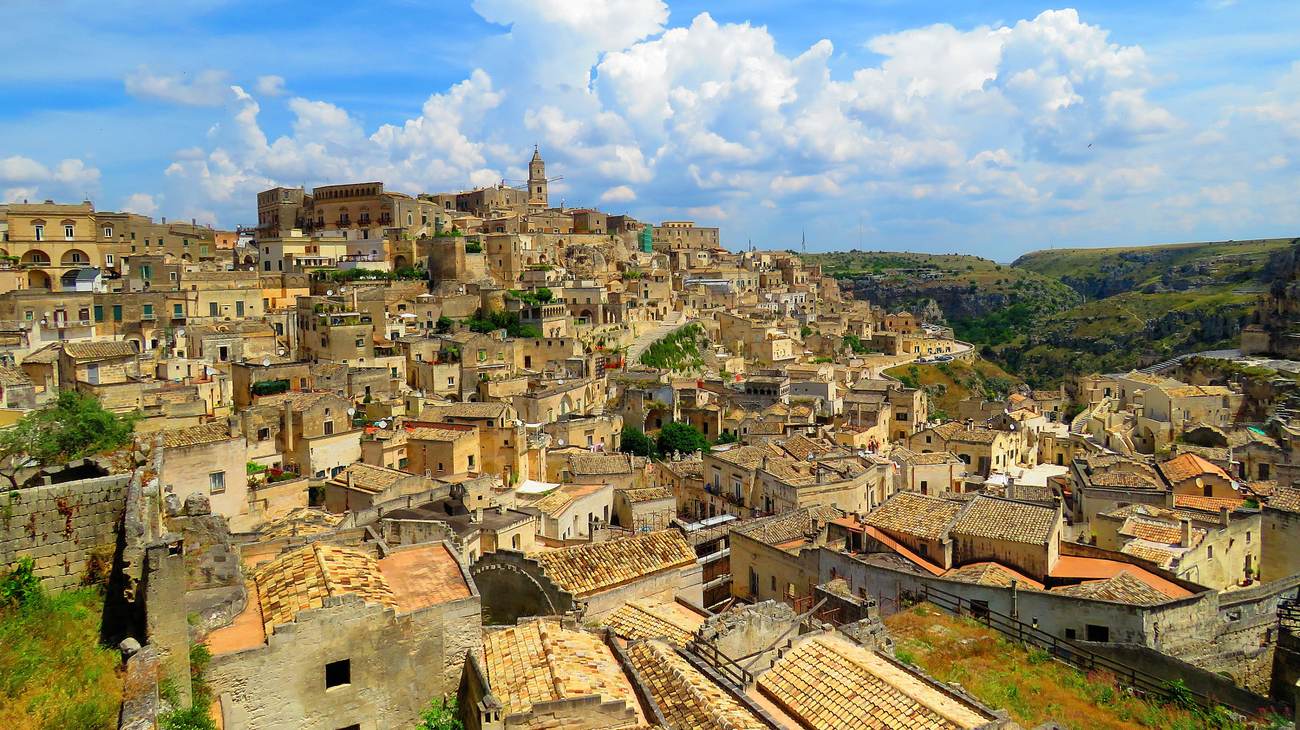
- Firsthand Experience: Once deemed the "shame of Italy" in the 1950s due to extreme poverty, Matera has undergone an astonishing resurrection, becoming a UNESCO World Heritage site and European Capital of Culture. Stepping out onto a balcony at twilight as thousands of warm amber lights illuminate the labyrinth of cave dwellings feels like gazing upon biblical Jerusalem (which is why Mel Gibson filmed The Passion of the Christ here). Sleep in a restored cave hotel where stone walls keep the room naturally cool.
- Reddit Traveler Consensus: Redditors emphasize that you must stay overnight. Day-trippers leave by 5:00 PM, leaving the atmospheric, candlelit stone staircases entirely to you.
- Ideal Trip: 2 nights. Accessible via regional train from Bari.
3. Bergamo, Lombardy — The Two-Tiered Jewel of the North
Most international travelers know Bergamo only as a low-cost airport hub for Milan, completely unaware that just ten minutes above the tarmac lies one of northern Italy’s most breathtaking historic citadels: Bergamo Alta (Città Alta).
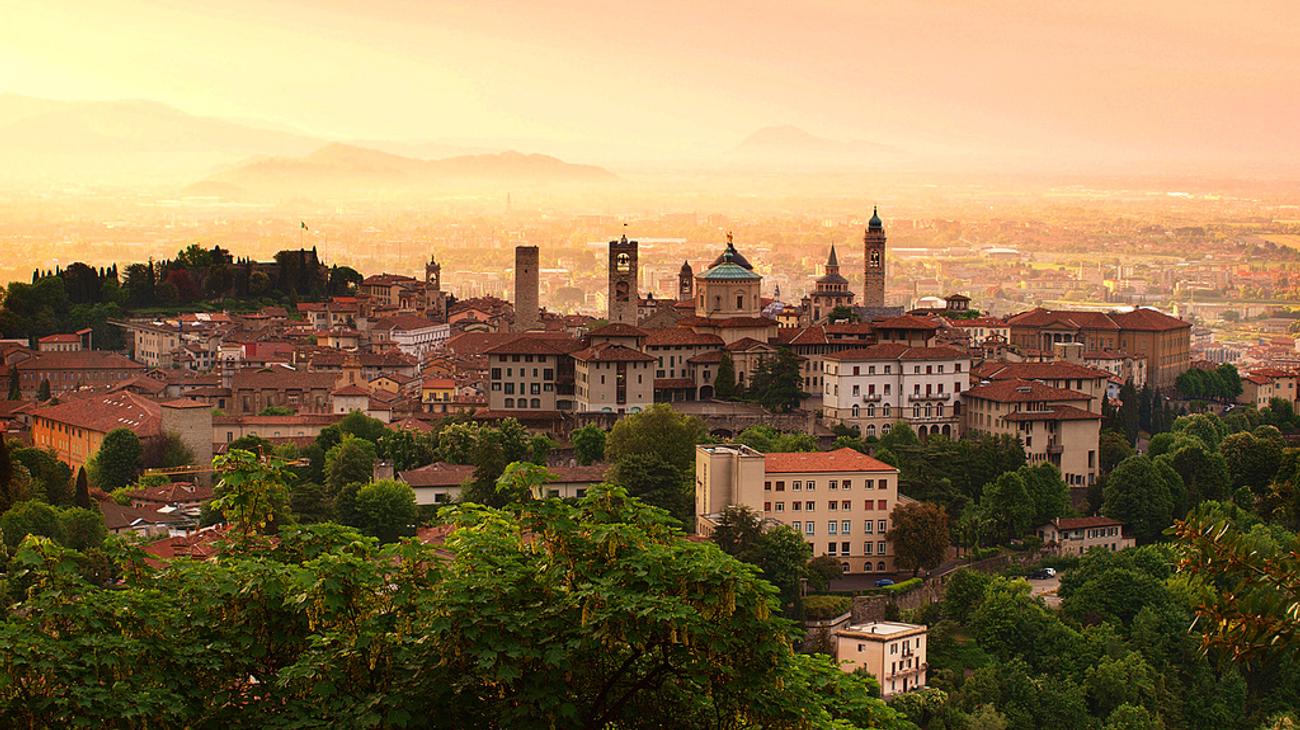
- Firsthand Experience: Take the vintage funicular railway climbing steeply from the lower town through green terraced gardens into Città Alta. Enclosed by massive Venetian defensive walls (a UNESCO World Heritage site), the upper town opens into Piazza Vecchia, praised by Le Corbusier as one of the most harmonious public squares in Europe. Step inside the Basilica di Santa Maria Maggiore and the adjoining Cappella Colleoni for staggering Renaissance fresco and marble craftsmanship.
- Culinary Note: Bergamo is the birthplace of stracciatella gelato (invented at La Marianna in 1961) and casoncelli, delicate pasta pockets stuffed with beef, pork, raisins, and crushed amaretti, smothered in browned butter and sage.
- Reddit Traveler Consensus: "Skip staying in chaotic, expensive Milan. Stay in Bergamo Alta instead; it's 45 minutes by train to Milan Central, significantly cheaper, and incomparably prettier."
4. Orvieto, Umbria — The Golden Cathedral on a Volcanic Bluff
Perched dramatically on the flat summit of a sheer, vertical tufa volcanic rock cliff rising above the lush green vineyards of Umbria, Orvieto commands one of the most imposing natural positions in Italy.
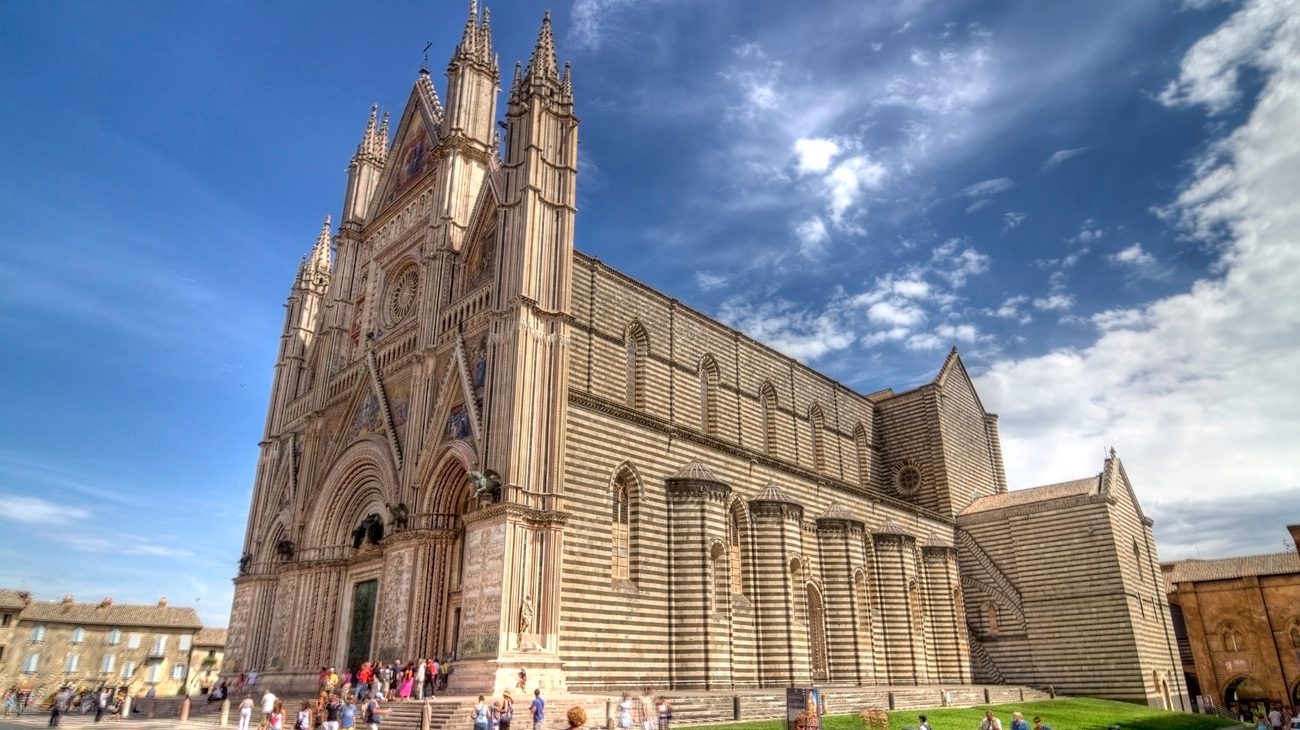
- Firsthand Experience: Stepping out of a quiet cobblestone alley into the Piazza del Duomo, the facade of the Duomo di Orvieto will stop you in your tracks. Gilded with shimmering golden mosaics that catch the afternoon sun, flanked by black-and-white basalt and travertine stripes and intricate marble reliefs, it rivals the finest cathedrals of Siena or Florence. Inside the San Brizio Chapel, Luca Signorelli’s apocalyptic frescoes directly inspired Michelangelo’s Last Judgment in the Sistine Chapel.
- Subterranean Exploration: Explore the subterranean city beneath your feet: over 1,200 caves and tunnels carved into the tufa rock by ancient Etruscans, and descend the double-helix spiral staircases of Pozzo di San Patrizio (St. Patrick's Well).
- Reddit Traveler Consensus: An effortless 70-minute direct train ride from Rome Termini, making it an ideal first taste of authentic Umbrian wine (Orvieto Classico) and wild boar ragù.
5. Siena, Tuscany — Gothic Majesty & The Spirit of the Contrade
While Florence embraced the Renaissance, Siena remained defiantly, beautifully Gothic. Set across three rolling Tuscan hills, Siena is a medieval masterclass of red brick, soaring towers, and fiercely guarded civic traditions.
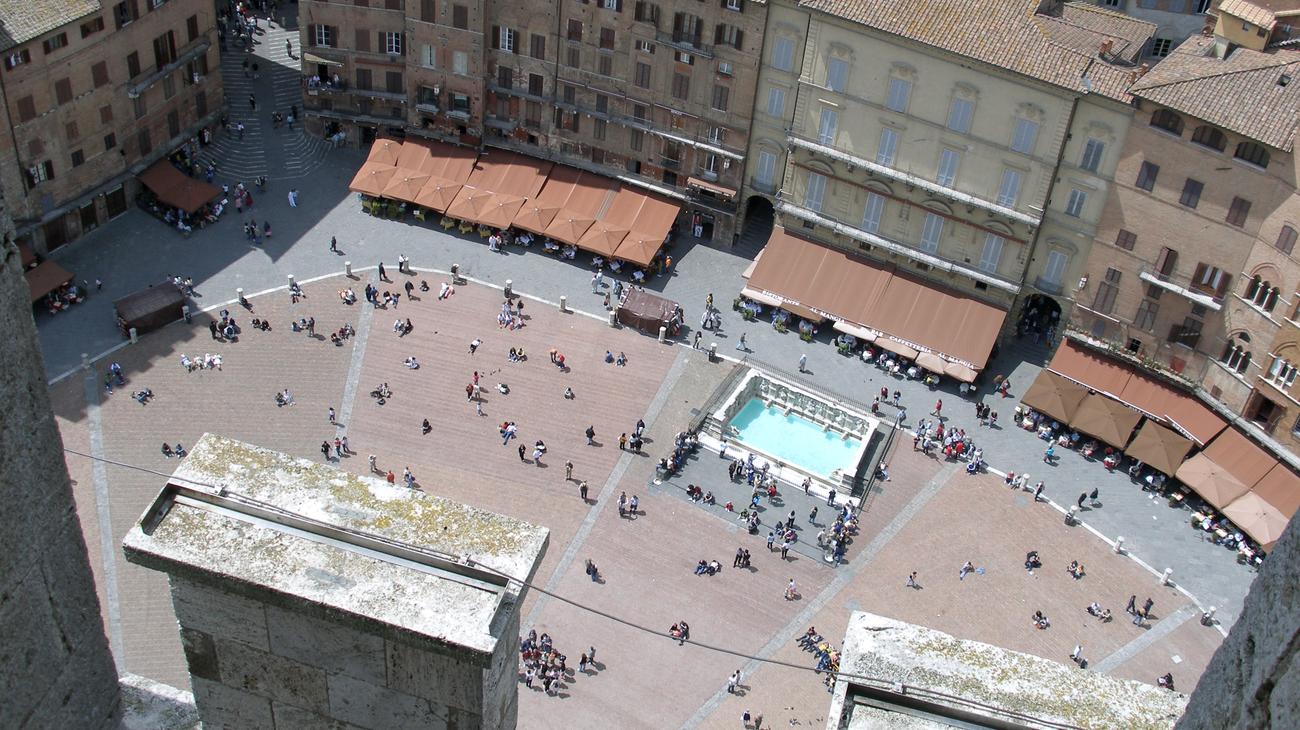
- Firsthand Experience: The focal point of civic life is the shell-shaped Piazza del Campo, paved in red brick divided into nine radiating sectors. Sitting on the gently sloping stones at sunset with a glass of Chianti while children kick soccer balls against the Palazzo Pubblico is pure magic. Siena is divided into 17 historical neighborhoods (contrade), each with its own heraldic animal, church, and museum. Walk through the Aquila (Eagle) or Oca (Goose) districts and you will see neighborhood banners fluttering from every window.
- The Cathedral: Siena's Duomo is arguably more spectacular inside than Florence's, featuring an inlaid marble mosaic floor described by Vasari as "the most beautiful... and magnificent that had ever been made."
- Reddit Traveler Consensus: Avoid visiting during the crowded Palio horse race days (July 2 and August 16) unless you have booked months ahead. Visit in May, June, or October for relaxed, authentic Tuscan evenings.
6. Taormina, Sicily — Clifftop Balcony over the Ionian Sea
Perched high on Monte Tauro on Sicily’s eastern coast, Taormina has bewitched travelers from Goethe and Oscar Wilde to modern travelers seeking Sicilian glamour without the urban grit of Palermo.
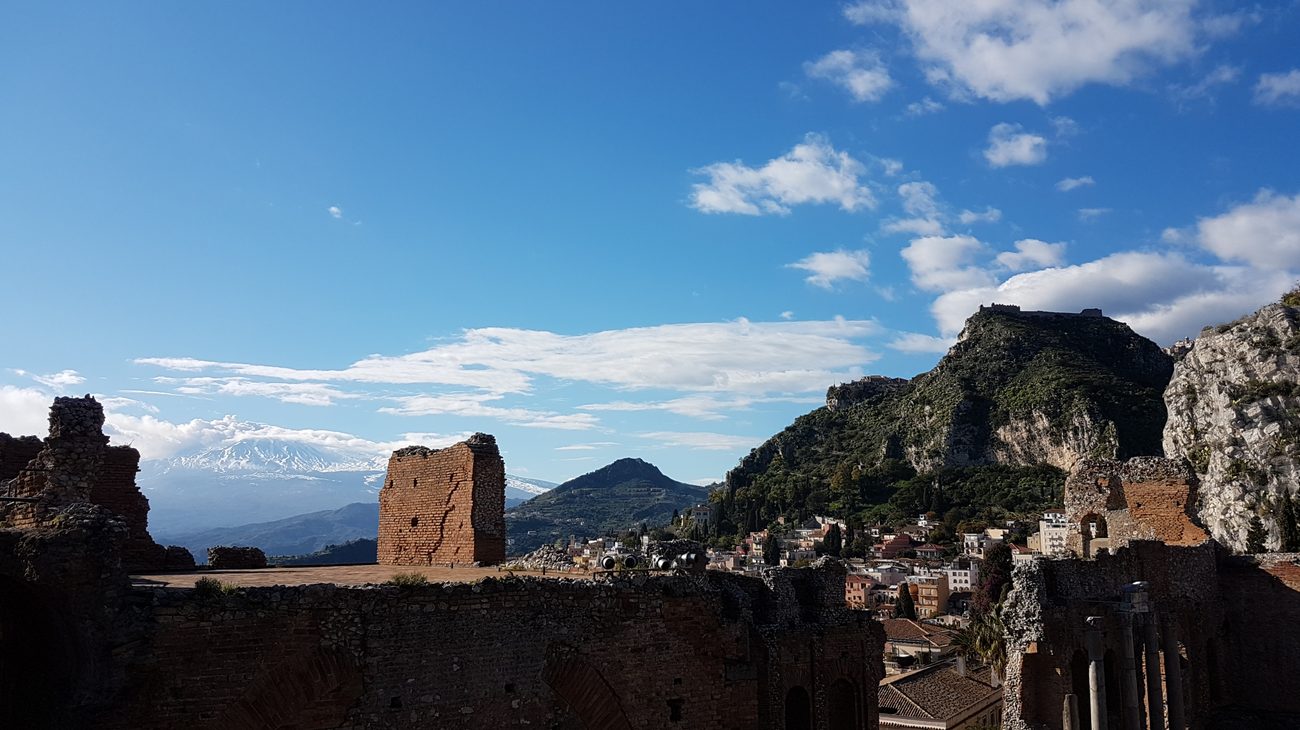
- Firsthand Experience: Standing inside the 3rd-century BC Teatro Antico di Taormina (Greek Theatre), the ruined classical columns frame a panoramic backdrop that seems almost computer-generated: the smoking, snow-dusted cone of active volcano Mount Etna rising on one side, and the glittering turquoise crescent of the Ionian Sea below. Stroll the flower-draped pedestrian avenue of Corso Umberto, sample freshly piped pistachio cannoli, and take the cable car down to the pebble beach cove of Isola Bella.
- Reddit Traveler Consensus: Taormina gets busy with day-trippers from cruise ships docking in Messina between 11 AM and 3 PM. Early mornings and late evenings belong entirely to hotel guests and locals.
- Ideal Trip: 3 days as part of an eastern Sicily itinerary including Mount Etna and Syracuse (Ortigia).
7. Treviso, Veneto — The Quiet Canal Sister of Venice
Located just 30 minutes north of Venice by regional train, Treviso is often described as Venice without the tourists or the water smells. Surrounded by 16th-century ramparts and crisscrossed by clear spring-fed waterways (the Sile and Botteniga rivers), Treviso is an affluent, charming city where waterwheels still gently turn beside weeping willows.
- Firsthand Experience: Treviso is world-famous as the birthplace of Tiramisù (first created at the historic restaurant Le Beccherie in the 1960s) and the spiritual capital of Prosecco DOC. Wandering the tranquil Buranelli canal and stopping at traditional osterie to drink sparkling Prosecco from local vineyards served with cicchetti (small Venetian bar snacks) costs less than a third of Venice prices.
- Reddit Traveler Consensus: Many seasoned travelers on r/ItalyTravel choose to sleep in Treviso and take the inexpensive €3.80 train into Venice for daytime sightseeing, returning to Treviso for tranquil, authentic dinners.
8. Ferrara, Emilia-Romagna — The Renaissance City of Bicycles
Situated between Bologna and Venice, Ferrara was ruled for centuries by the cultured, ambitious Este dynasty. It was the first modern planned city in Europe, designed with wide, straight Renaissance boulevards intersecting its medieval quarter.
- Firsthand Experience: Dominating the center of the city is the Castello Estense, a formidable medieval brick fortress surrounded by a water-filled moat complete with working drawbridges. Ferrara is known across Italy as the "City of Bicycles"—virtually everyone, from university students to grandmothers in fur coats, pedals across the cobblestones.
- Unique Culinary Delicacy: Taste Ferrara’s historic Renaissance dish, Cappellacci di Zucca—pasta pockets shaped like peasants' hats stuffed with sweet roasted butternut pumpkin, nutmeg, and Parmigiano-Reggiano, tossed in melted sage butter.
- Reddit Traveler Consensus: An idyllic, uncrowded stopover directly on the Venice–Bologna rail line.
9. Lecce, Puglia — The Baroque Masterpiece of the Salento
Down in the heel of Italy’s boot, Lecce is often crowned "The Florence of the South." What makes Lecce unique in the architectural world is its building material: pietra leccese, a soft, golden-cream limestone quarried locally that hardens with age and can be carved with the intricate delicacy of lace.
- Firsthand Experience: Walking through the Piazza del Duomo at night, the illuminated baroque facades of the Cathedral and the Basilica di Santa Croce appear like golden stone embroidery. Right in the middle of town sits an excavated 2nd-century Roman Amphitheater that once held 25,000 spectators. Start your morning like a true Salentino with a caffè leccese (espresso over ice with sweet almond milk) and a warm pasticciotto (custard-filled shortcrust pastry).
- Reddit Traveler Consensus: Lecce serves as the premier cultural base for exploring Puglia’s southern beaches (Otranto, Gallipoli) without needing to change hotels every night.
10. Mantua (Mantova), Lombardy — The City on Three Lakes
Surrounded on three sides by artificial lakes created in the 12th century as military defenses (Lago Superiore, Lago di Mezzo, and Lago Inferiore), Mantua rises out of the water like a floating Renaissance palace. It was the seat of the Gonzaga family, who commissioned some of the greatest artistic masterpieces of the Italian Renaissance.
- Firsthand Experience: Explore the Palazzo Te, the pleasure palace of Federico II Gonzaga, featuring Giulio Romano’s sensational Camera dei Giganti (Chamber of the Giants), where ceiling and walls depict a dizzying, immersive battle of the Olympian gods crushing the rebellious Titans with tumbling stone columns. In summer, the surrounding lakes are blanketed by thousands of blooming pink lotus flowers.
- Culinary Heritage: Try Tortelli di Zucca (pumpkin tortelli with crushed amaretto cookies and mostarda) and the crisp, crumbly Sbrisolona almond cake.
- Reddit Traveler Consensus: Often completely overlooked by American and British travelers, Mantua is peaceful, romantic, and steeped in high culture.
11. Urbino, Marche — The Cradle of the High Renaissance
Perched dramatically atop a steep hill in the Marche region, Urbino is a UNESCO World Heritage town that feels utterly frozen in the late 15th century. It was the court of Duke Federico da Montefeltro, one of the most enlightened rulers of the Renaissance, and the birthplace of painter Raphael.
- Firsthand Experience: The Palazzo Ducale (Ducal Palace) looks like a fairy-tale fortress with its twin fairy-tale spires (I Torricini). Inside, the Galleria Nazionale delle Marche houses masterpieces by Piero della Francesca and Raphael. The town’s steep cobblestone streets, untouched by modern architectural intrusions, offer sweeping vistas over the patchwork hills of the Marche toward the Apennine mountains.
- Reddit Traveler Consensus: Because Urbino lacks a direct train station (you take a short scenic bus from Pesaro), it receives only a fraction of the tourists found in Tuscany.
12. Ravenna, Emilia-Romagna — Shimmering Byzantine Gold
For three centuries, Ravenna was the capital of the Western Roman Empire, then the Kingdom of the Ostrogoths, and finally the seat of Byzantine power in Italy. Because of this unique geopolitical history, Ravenna houses the most complete and breathtaking collection of early Christian and Byzantine mosaics on Earth.
- Firsthand Experience: Stepping inside the octagonal 6th-century Basilica di San Vitale, you look up into a sea of glittering gold, cobalt blue, and emerald green glass tesserae depicting Emperor Justinian and Empress Theodora that have retained their brilliant radiance for 1,500 years. Nearby, inside the tiny Mausoleum of Galla Placidia, the ceiling depicts a deep sapphire-blue night sky studded with golden stars. Ravenna is also the final resting place of Dante Alighieri, author of the Divine Comedy.
- Reddit Traveler Consensus: A flat, elegant city perfect for exploring by bicycle. An easy 1-hour train connection from Bologna.
Route & Logistical Comparison: 12 Small Italian Cities
| City & Region | Nearest Major Airport / Rail Hub | Travel Time from Hub | Best For | Must-Try Local Dish |
|---|---|---|---|---|
| Lucca (Tuscany) | Pisa / Florence | 25m (Pisa) / 1h 15m (Firenze) | Cycling ramparts, relaxed charm | Tortelli Lucchese al ragù |
| Matera (Basilicata) | Bari (BRI) | 1h 15m regional train / bus | Ancient cave hotels, scenery | Crapiata (legume stew) |
| Bergamo (Lombardy) | Milan Bergamo (BGY) / Milan | 15m (BGY) / 45m (Milano) | Upper town views, Venetian walls | Casoncelli bergamaschi |
| Orvieto (Umbria) | Rome (FCO) | 1h 10m direct rail from Termini | Dramatic cliff views, Gothic Duomo | Wild boar pappardelle & Orvieto Classico |
| Siena (Tuscany) | Florence (FLR) | 1h 15m direct bus / train | Gothic plazas, contrada heritage | Pici all'aglione |
| Taormina (Sicily) | Catania (CTA) | 50m direct train / bus | Ancient theater, views of Mt Etna | Pasta alla Norma & fresh cannoli |
| Treviso (Veneto) | Venice Treviso / Venice Marco Polo | 30m rail from Venezia S.L. | Canals without crowds, Prosecco | Authentic Tiramisù & cicchetti |
| Ferrara (Emilia-Romagna) | Bologna (BLQ) | 25m direct train from Bologna | Bicycles, moated castle | Cappellacci di zucca |
| Lecce (Puglia) | Brindisi (BDS) / Bari | 30m (Brindisi) / 1h 45m (Bari) | Baroque limestone, southern hospitality | Pasticciotto & Rustico leccese |
| Mantua (Lombardy) | Verona (VRN) / Milan | 45m from Verona | Renaissance art, lakes, palaces | Tortelli di zucca & Sbrisolona |
| Urbino (Marche) | Bologna / Ancona | 45m bus from Pesaro station | Renaissance palace, mountain vistas | Crescia sfogliata |
| Ravenna (Emilia-Romagna) | Bologna (BLQ) | 1h 10m direct train from Bologna | 1,500-year-old Byzantine mosaics | Piadina Romagnola & Cappelletti |
Frequently Asked Questions (FAQ)
Do I need a rental car to visit these small Italian cities?
No! Ten of the twelve cities (Lucca, Bergamo, Orvieto, Siena, Treviso, Ferrara, Lecce, Mantua, Ravenna, and Taormina) are directly connected to Italy’s efficient Trenitalia rail network. Only Urbino (which requires a short 45-minute bus from Pesaro station) and Matera (which connects via the private FAL train from Bari) require minor bus/regional connections.
Is English widely spoken in smaller Italian cities?
Yes, in hotels, restaurants, and historical monuments, staff speak English comfortably. In family-run grocery stores and bakeries, knowing basic Italian phrases (buongiorno, per favore, grazie, il conto per favore) goes an extraordinarily long way in unlocking warm, genuine Italian hospitality.
When is the best time of year to visit small Italian cities?
The sweet spot is April to early June and September to late October. During these shoulder months, temperatures are pleasant (20°C–25°C), vineyards and olive groves are lush, and provincial life runs at its natural, relaxed rhythm.
Related Italy & European Travel Guides
This article is for informational purposes. Flight routes, passenger regulations, visa rules, and transit advisories are subject to change by airlines and aviation authorities. Readers are advised to verify schedules and travel documentation with relevant carriers and border agencies before departure.
Related Stories
12 Underrated Cities in China That International Travelers Are Starting to Discover
10 Affordable Cities in Central Europe Where Reddit Travelers Say You Can Live Like a Local