
Yellowstone National Park Surges as Top Nature Tourism Destination
Yellowstone National Park experiences a global tourism surge, attracting over four million annual visits with bison, geysers, and valleys.

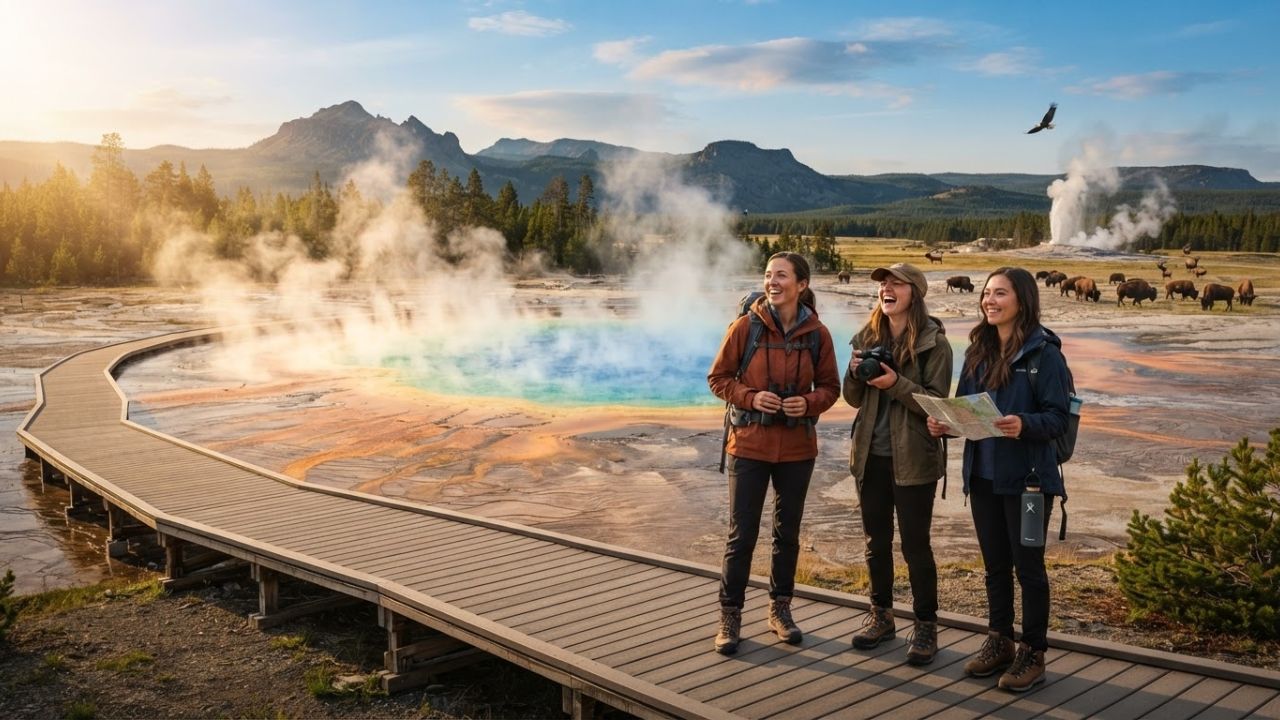
Image generated by AI
Yellowstone National Park experiences record-setting ecotourism demand, drawing over four million annual visits to witness its geothermal basins and wild bison herds.
The global demand for nature-based tourism has driven a significant visitation surge at America's first national park. Yellowstone National Park, situated primarily in Wyoming and extending into Montana and Idaho, continues to rank among the world's most popular outdoor destinations. Established in 1872, the historic reserve attracts over four million visits annually, generating substantial economic revenue for surrounding gateway communities.
The park's unique geothermal features, including predictable eruptions from Old Faithful and the micro-organism-rich colors of the Grand Prismatic Spring, represent a primary draw for international travelers seeking authentic wilderness experiences.
Yellowstone Park Specifications and Regional Access Corridors
Navigating the sprawling park geography requires planning transit routes through specific entrances. The following table provides the operational specifications, highlight features, and preservation policies for key park sectors.
| Park Segment / Valley | Primary Scenic Attraction | Core Wildlife Viewing | Primary Access Road / Route | Ecotourism Preservation Policy |
|---|---|---|---|---|
| Upper Geyser Basin | Old Faithful Geyser | Elk and bison herds | Grand Loop Road / West Entrance | Strict boardwalk-only pedestrian rules |
| Lamar Valley | Rolling glacier valleys | Wolves, grizzly bears, bison | US-212 / Northeast Entrance | Wildlife distance safety enforcement |
| Grand Canyon of Yellowstone | Grand Canyon waterfalls | Osprey and raptor nests | Canyon Village access route | Restricted trail corridors |
| West Yellowstone Gateway | Historic town depot | Local transit connections | US-20 / Montana entry point | Gateway community economic support |
Visitor statistics and resource management guidelines verified in coordination with the National Park Service (NPS).
Traveler Logistics and Regional Transit Guide
From a ground-level perspective, the best way to navigate this is to fly into Bozeman Yellowstone International Airport (BZN) and rent a four-wheel-drive vehicle, booking your car rental at least four months in advance due to peak summer demand along the Montana-Wyoming transit corridors. Winding mountain roads and seasonal construction projects require careful speed management.
To coordinate your Yellowstone travel itinerary:
- Gateway Entry Points: West Yellowstone in Montana and Cody in Wyoming serve as primary gateway cities, offering lodging, equipment rentals, and tour services near the park boundaries.
- Wildlife Observation Guidelines: The Lamar and Hayden Valleys are top locations for viewing wolves, bears, and the park's publicly managed bison herd. Maintain a distance of at least 100 yards from bears and wolves, and 25 yards from bison and elk.
- Boardwalk Safety: Stay on designated wooden boardwalks throughout the thermal basins, as thermal waters can exceed boiling temperatures and thin crusts pose severe hazards.
- Seasonal Access Restrictions: Many interior roads close to private vehicles from November to April, during which access to geothermal basins is restricted to guided snowcoach or snowmobile tours.
Infrastructure Capacity and Ecotourism Stewardship
The high volume of visitors creates operational challenges, putting pressure on road infrastructure, waste systems, and natural habitats. The NPS continues to balance public access with strict conservation rules, monitoring environmental impacts to protect the delicate volcanic caldera.
By encouraging travelers to follow Leave No Trace principles, support local gateway merchants, and choose guided, low-impact transport options, park administrators work to preserve Yellowstone's wilderness. Maintaining this balance ensures that future generations can experience the geothermal systems and wildlife herds that make the park a global icon.
Related Travel Guides
Where to Watch the 2026 Perseids Meteor Shower: The Ultimate Astrotourism and Commuter Guide
Ten Iconic Destinations Where Off-Season Travel Reveals Hidden Magic
Disclaimer
This article is for informational and educational purposes only. It does not constitute legal, financial, or professional advice. While we strive to provide accurate and up-to-date information, travel policies, regulations, and conditions change rapidly. Always verify information with official sources before making travel decisions. Nomad Lawyer makes no representations about the accuracy, reliability, completeness, or suitability of the information provided. Readers should consult qualified professionals for advice specific to their circumstances. The views expressed in this article are those of the author and do not necessarily reflect the views of Nomad Lawyer.
Kunal K Choudhary
Co-Founder & Contributor
A passionate traveller and tech enthusiast. Kunal contributes to the vision and growth of Nomad Lawyer, bringing fresh perspectives and driving the community forward.
Learn more about our team →