
Global Overtourism Report 2026: Mombasa, Canary Islands, Mexico City, and Fiumicino Tagged as Overcrowded
Industry experts identify Mombasa, the Canary Islands, Mexico City, and Fiumicino as critical overtourism hotspots in 2026, urging travelers to seek sustainable alternatives to mitigate infrastructure strain.

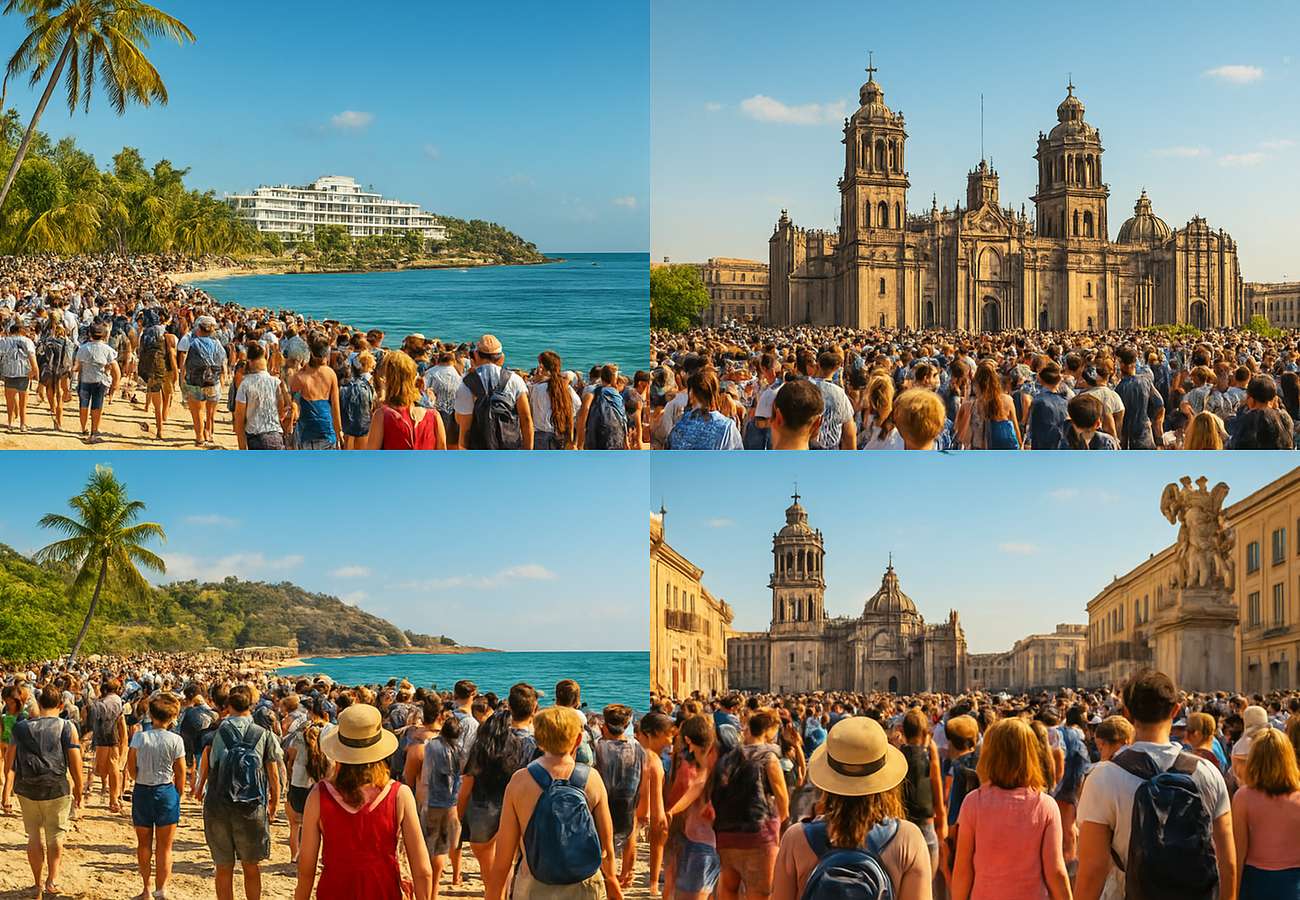
Image generated by AI
Quick Summary
- Mombasa Crisis: Kenya’s second-largest city exceeded 2 million tourist arrivals in 2024, leading to overwhelmed public services and infrastructure failure.
- Canary Islands Strain: Popular Atlantic islands are facing a resource crisis, particularly regarding water and waste management, causing significant social friction.
- Mexico City Protests: Social tensions erupted into anti-tourism protests in 2025, driven by rising housing costs and gentrification in the urban center.
- Fiumicino Overload: The coastal settlement of Isola Sacra near Rome’s main airport is struggling with an influx that has degraded local natural resources and inflated living costs.
- Sustainable Alternatives: Experts are recommending secondary destinations like Lamu Island, La Palma, Oaxaca, and Puglia to alleviate pressure on traditional hubs.
- Economic Tension: While tourism provides vital revenue, the 2026 trend shows that unchecked growth is now compromising the long-term viability of these destinations.
The global travel landscape of 2026 is defined by a growing rift between the desire for mass-market exploration and the physical limits of destination infrastructure. Overtourism has transitioned from a seasonal inconvenience to a structural threat in several major hotspots. In Mombasa, the coastal charm that once attracted millions is being eroded by the sheer volume of visitors, which has outpaced the city's ability to maintain public utilities. In the Canary Islands, the environmental cost of mass tourism has reached a breaking point, with local residents increasingly viewing visitors as competitors for scarce water resources. Mexico City has become a focal point for urban social activism, as gentrification fueled by short-term rentals displaces long-term residents. Even smaller settlements like Isola Sacra in Italy are feeling the "overflow effect" from neighboring Rome. As a result, 2026 is seeing a strategic shift toward "regenerative travel," with both governments and travelers seeking less crowded, more authentic alternatives that support local communities without overwhelming their fragile ecosystems.
Global Overtourism 2026: Impacted Hotspots and Recommended Alternatives
The following table summarizes the primary overtourism challenges in 2026 and the alternative destinations recommended by industry experts.
| Destination (Hotspot) | Primary Overtourism Challenge | Recommended 2026 Alternative |
|---|---|---|
| Mombasa, Kenya | Infrastructure strain & service overload | Lamu Island or Diani Beach |
| Canary Islands, Spain | Water shortages & waste management | La Palma or El Hierro |
| Mexico City, Mexico | Gentrification & social protests | Oaxaca or San Cristóbal |
| Fiumicino, Italy | Isola Sacra infrastructure overload | Puglia or Sicily |
| Venice, Italy | Day-tripper volume & sea-level impact | Chioggia or Trieste |
| Bali, Indonesia | Environmental degradation & traffic | Lombok or Sumba |
Mombasa, Kenya: 2 Million+ Arrivals Strain Coastal Infrastructure
Mombasa’s rapid growth has reached a critical threshold:
- Utility Failure: The city recorded over two million tourists in 2024, a volume that has led to frequent disruptions in water supply and overwhelmed sanitation systems.
- Beach Crowding: Iconic coastal areas are experiencing severe overcrowding, reducing the quality of the visitor experience and impacting local ecosystems.
- Alternative Hubs: Travelers are now being encouraged to visit Diani Beach or the UNESCO-listed Lamu Island, which offer similar cultural and coastal beauty with a more sustainable footprint.
Canary Islands, Spain: Water and Waste Management Crisis in the Atlantic
The environmental sustainability of the Canary Islands is under intense scrutiny:
- Resource Scarcity: The islands are struggling to provide enough fresh water for both their agricultural sectors and the millions of tourists who arrive annually.
- Social Friction: Rising tensions between residents and visitors have led to public demands for stricter limits on holiday rentals and cruise ship arrivals.
- Eco-Preservation: Destinations like La Palma and El Hierro are being highlighted as models for "slow tourism" that prioritize environmental preservation over sheer volume.
Mexico City: Social Tensions and Rising Costs Fuel Local Protests
The urban center of Mexico is facing a backlash against unregulated tourism:
- Housing Crisis: The surge in short-term rentals has inflated housing costs, leading to the displacement of locals from historic neighborhoods.
- 2025 Protests: Demonstrations against overtourism and gentrification became a major political issue in 2025, with residents calling for more balanced urban development.
- Cultural Alternatives: For those seeking a similar depth of history and cuisine, Oaxaca and San Cristóbal de las Casas offer authentic experiences in a more sustainable urban environment.
Fiumicino, Italy: Isola Sacra’s Struggle with Roman Tourism Overload
Fiumicino is no longer just a transit point; it is a hotspot in its own right:
- Isola Sacra Impact: This picturesque coastal settlement is facing an infrastructure overload as tourists overflow from Rome, seeking a quieter (but now overcrowded) seaside escape.
- Cost of Living: Local residents are reporting sharp increases in the cost of basic services and goods as the economy shifts almost exclusively to cater to international visitors.
- Wider Exploration: Travelers seeking the "Italian coast" are urged to explore Puglia or Sicily, where the tourism footprint is more broadly distributed across rural and maritime communities.
The Shift to Sustainability: Why Travelers are Choosing Secondary Destinations
The 2026 travel trend is moving toward "regenerative tourism":
- Mindful Choices: Travelers are increasingly aware of the impact their presence has on local communities and are proactively seeking spots that benefit from their spending.
- Authenticity Over Fame: There is a growing preference for destinations that offer genuine cultural immersion rather than "Instagrammable" but overcrowded landmarks.
- Government Policy: Several of the tagged hotspots are considering or have already implemented tourism taxes and cap systems to manage the 2026 influx.
Recommended Alternatives: Finding Authentic Experiences Away from the Crowds
Transitioning to less-traveled paths offers significant benefits for the 2026 traveler:
- Lower Costs: Secondary destinations often provide better value for money in terms of accommodation and local dining.
- Peace and Serenity: Avoiding the four hotspots listed above ensures a more relaxing holiday without the stress of navigating massive crowds.
- Direct Support: Spending in lesser-known regions like El Hierro or San Cristóbal directly supports local artisans and small businesses that are not yet part of the mass-market tourism machine.
Conclusion: Balancing Economic Benefit with Long-Term Destination Health
Ultimately, the overtourism report of 2026 serves as a wake-up call for the global travel industry. While Mombasa, the Canary Islands, Mexico City, and Fiumicino remain iconic, their current levels of visitation are no longer sustainable. To protect the natural beauty and social fabric of these regions, a shift toward decentralized tourism and sustainable alternatives is essential. By choosing wisely in 2026, travelers can help combat the negative effects of overtourism and ensure that the world's most beautiful destinations remain vibrant and accessible for future generations.
FAQ: Overtourism & Travel Hotspots 2026
Why was Mombasa added to the overtourism list in 2026? With over 2 million arrivals in 2024, the city's infrastructure (specifically water and sanitation) has been unable to keep pace, impacting both the local population and the visitor experience.
Are the Canary Islands still safe to visit? Yes, they are safe, but travelers should be aware of resource scarcity and potential social friction in the most crowded hubs. Visiting smaller islands like La Palma is recommended.
What happened during the 2025 protests in Mexico City? Local residents protested against the rising cost of housing and gentrification caused by the high volume of international tourists and digital nomads in central neighborhoods.
Related Travel & Sustainability Guides
Disclaimer
This article is for informational and educational purposes only. It does not constitute legal, financial, or professional advice. While we strive to provide accurate and up-to-date information, travel policies, regulations, and conditions change rapidly. Always verify information with official sources before making travel decisions. Nomad Lawyer makes no representations about the accuracy, reliability, completeness, or suitability of the information provided. Readers should consult qualified professionals for advice specific to their circumstances. The views expressed in this article are those of the author and do not necessarily reflect the views of Nomad Lawyer.
Kunal K Choudhary
Co-Founder & Contributor
A passionate traveller and tech enthusiast. Kunal contributes to the vision and growth of Nomad Lawyer, bringing fresh perspectives and driving the community forward.
Learn more about our team →