
Wyoming Records Highest US Workplace Fatality Rate in 2026 with 13.9 Deaths per 100,000 Workers
Wyoming has emerged as the most dangerous US state for employees, recording a workplace fatality rate more than four times the national average in 2024.

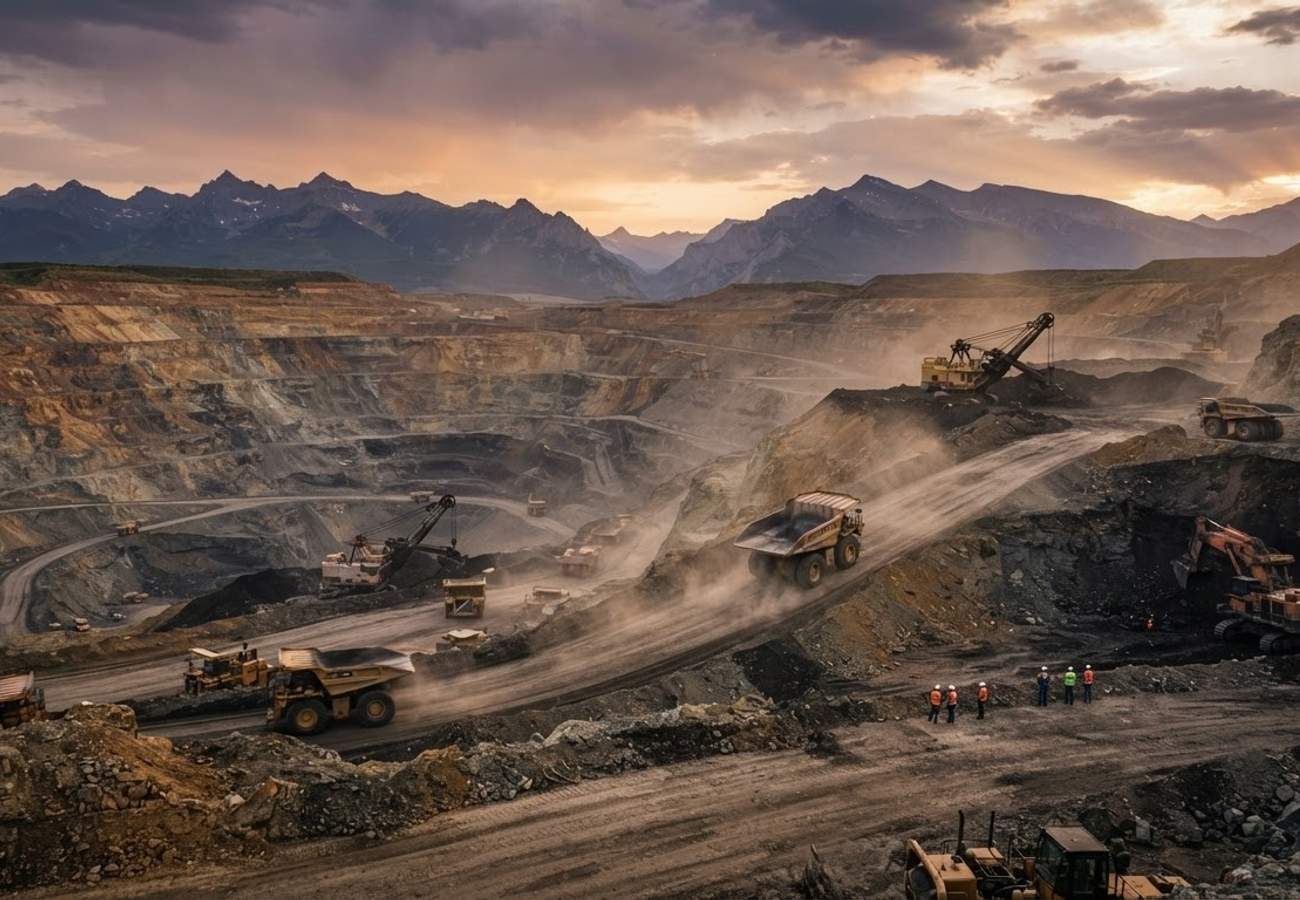
Image generated by AI
Wyoming has been identified as the most hazardous state for employees in the United States, reporting a workplace fatality rate that is more than four times the national average. According to the Worker Risk Index, the state's high concentration of high-risk industries has created a persistent safety crisis that outweighs temporary fluctuations in annual death tolls.
The data reveals a stark contrast between regional safety standards and national trends. While the United States as a whole has seen a slight decline in occupational deaths, Wyoming remains an outlier due to its heavy reliance on sectors like mining, agriculture, and heavy transportation. This disparity raises significant legal and logistical questions regarding worker protections in the American West.
Structural Hazards Drive Wyoming Worker Risk
The elevation of Wyoming to the top of the Worker Risk Index is not an anomaly of a single bad year, but rather a result of systemic industrial exposure. The state earned a risk score of 99.4, driven primarily by a 2024 fatality rate of 13.9 deaths per 100,000 workers. To put this in perspective, the U.S. Bureau of Labor Statistics (BLS) reported a national fatality rate of just 3.3 for the same period.
While the absolute number of deaths in Wyoming decreased from 45 in 2023 to 37 in 2024, the rate remains alarmingly high relative to the state's workforce size. This suggests that while specific incidents may fluctuate, the underlying environmental and occupational risks remain constant. The state's five-year average fatality rate of 13.20 is the highest among the top 10 most dangerous states, confirming a long-term trend of occupational danger.
Regional Disparities in US Occupational Safety
The Worker Risk Index highlights a clear geographic divide in worker safety. The most dangerous states are concentrated heavily in the West and South, while the Northeast is entirely absent from the top 10 list. This distribution suggests that states with economies rooted in extraction, large-scale farming, and long-haul logistics face significantly higher hurdles in maintaining worker safety.
The following data outlines the most hazardous states based on the index and 2024 BLS statistics:
| Rank | State | Risk Score | 2024 Fatalities | 2024 Rate | 5-Year Average |
|---|---|---|---|---|---|
| 1 | Wyoming | 99.4 | 37 | 13.9 | 13.20 |
| 2 | Mississippi | 89.8 | 94 | 8.0 | 5.78 |
| 3 | North Dakota | 84.7 | 28 | 6.8 | 7.98 |
| 4 | Arkansas | 84.5 | 79 | 6.2 | 6.20 |
| 5 | Montana | 84.5 | 31 | 5.8 | 6.34 |
| 6 | Alaska | 80.8 | 24 | 7.1 | 7.30 |
| 7 | Idaho | 80.6 | 45 | 5.0 | 4.44 |
| 8 | West Virginia | 79.6 | 40 | 5.8 | 6.54 |
| 9 | Iowa | 77.3 | 83 | 5.2 | 4.40 |
| 10 | South Dakota | 74.7 | 29 | 5.8 | 5.64 |
High-Risk Sectors Contributing to Fatalities
National data from the BLS provides a window into why these specific states struggle. Certain occupations are inherently more lethal. In 2024, transportation and material-moving roles accounted for 1,391 deaths nationwide. Construction and extraction followed closely with 1,032 fatal injuries.
However, the most dangerous sector by rate is farming, fishing, and forestry, which recorded a staggering 25.4 fatalities per 100,000 workers. In Wyoming, the danger is particularly tied to mobility; reports indicate that 51.4% of the state's workplace deaths in 2024 were caused by transportation incidents, including highway crashes.
Methodology of the Worker Risk Index
To avoid the pitfalls of relying on a single year of data, the Worker Risk Score utilizes a weighted multi-factor formula. The index prevents a one-time catastrophe from skewing a state's ranking by balancing five different metrics:
- Current Fatality Rate: Weighted at 40%
- Persistent Fatality Rate: Weighted at 20%
- Occupational Mix: Weighted at 20%
- Recent Trends: Weighted at 10%
- Self-Employment Levels: Weighted at 10%
Each component is scaled from 0 to 100 before the weights are applied, allowing the index to distinguish between structural risks (like those in Wyoming) and temporary spikes in fatalities.
National Safety Trends vs. State Realities
On a macro level, the United States is becoming a safer place to work. Total fatal work injuries dropped by 4% between 2023 and 2024, falling from 5,283 to 5,070 deaths. The national rate also saw a slight dip from 3.5 to 3.3 per 100,000 workers.
The fact that Wyoming's rate (13.9) is more than four times the national average highlights a failure of localized safety interventions. When national averages improve while a specific state remains stagnant or worsens, it points to a need for targeted state-level policy changes rather than broad federal guidelines.
Why This Matters: The Legal and Logistical Reality
For the professional traveler, digital nomad, or business owner, these statistics are not merely academic; they represent a significant operational risk. From a legal standpoint, operating a business in a high-risk state like Wyoming requires a much more aggressive approach to workers' compensation insurance and safety compliance to avoid catastrophic liability.
For the traveler, this data should not be mistaken for a warning against visiting Wyoming's national parks or cities. Instead, it serves as a reminder of the invisible infrastructure that supports tourism. The transport networks, hospitality construction, and remote logistics that make Wyoming a destination are managed by a workforce facing extreme risks.
From a logistical perspective, the high rate of transportation-related deaths (over 50% of the state's total) suggests that road safety and infrastructure in the region are critical pain points. Businesses relying on freight or employee commuting in this region must prioritize vehicle safety and emergency response training to mitigate these documented dangers.
The gap between Wyoming's safety record and the national average underscores a critical need for industrial reform in the American West.
Related Travel Guides
Disclaimer
This article is for informational and educational purposes only. It does not constitute legal, financial, or professional advice. While we strive to provide accurate and up-to-date information, travel policies, regulations, and conditions change rapidly. Always verify information with official sources before making travel decisions. Nomad Lawyer makes no representations about the accuracy, reliability, completeness, or suitability of the information provided. Readers should consult qualified professionals for advice specific to their circumstances. The views expressed in this article are those of the author and do not necessarily reflect the views of Nomad Lawyer.
Raushan Kumar
Founder & Lead Developer
Full-stack developer with 11+ years of experience and a passionate traveller. Raushan built Nomad Lawyer from the ground up with a vision to create the best travel and law experience on the web.
Learn more about our team →