
Jackson Wyoming Emerges as April's Ultimate Quiet Mountain Escape
Jackson, Wyoming emerges as a serene spring destination in April 2026, offering digital nomads and leisure travelers a rare window of solitude before summer crowds arrive. Ski resorts close while dramatic Teton scenery and migrating wildlife create ideal conditions for remote work and outdoor exploration.

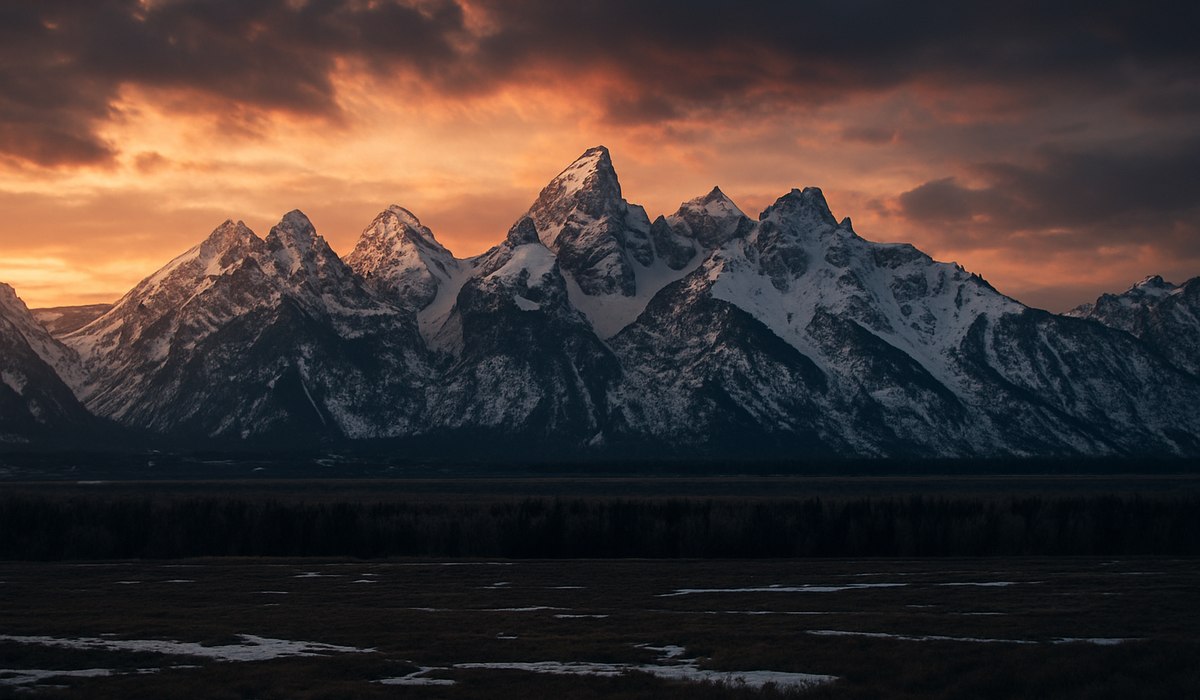
Image generated by AI
Jackson, Wyoming Emerges as April's Hidden Gem for Solitude Seekers
Jackson, Wyoming transforms into one of the American West's quietest destinations each April as ski resorts close and summer tourism remains weeks away. This shoulder season creates a rare convergence of favorable conditions: dramatic Teton scenery, active wildlife viewing, competitive lodging rates, and minimal crowds. The window typically spans from mid-April through early May, offering remote workers, photographers, and travelers seeking tranquility an ideal escape that rarely appears on mainstream travel radar. Digital nomads increasingly recognize April as peak productivity season in Jackson, where reliable internet infrastructure meets alpine beauty and affordable accommodations.
Spring Shoulder Season Brings Quieter Streets and Big Scenery
April represents the intersection between winter's final chapter and summer's commercial rush in Jackson Hole. Jackson Hole Mountain Resort typically closes mid-April, releasing infrastructure and services to pivot toward warmer-season operations. During this lull, the town experiences measurably fewer vehicles, shorter restaurant wait times, and genuine parking availability—conditions that vanish by late June.
The surrounding landscape amplifies April's appeal. Snow still adorns Teton peaks above 10,000 feet, while lower elevations reveal patches of exposed ground and emerging vegetation. This transitional light creates exceptional conditions for landscape photographers, offering the soft, directional sun of spring without the harsh midday glare of summer or the crisp blue skies that dominate winter postcards.
Many lodging properties reduce rates 30-50% compared with peak seasons, making extended stays economically feasible for remote workers. Local restaurants and tour operators maintain reduced hours but remain operational, requiring visitors to plan meal times and activities around seasonal schedules. For travelers prioritizing elbow room over maximum convenience, April delivers an unhurried experience of the Rocky Mountain West's most photographed valleys. The National Park Service's Grand Teton website provides current road conditions and seasonal updates essential for planning April visits.
Wildlife on the Move Around Jackson and the National Elk Refuge
April triggers significant wildlife movement patterns throughout the Jackson ecosystem. As temperatures gradually warm, elk herds migrate northward off the National Elk Refuge toward summer ranges in Grand Teton National Park and adjacent public lands. This transition creates notable viewing opportunities from accessible pullouts on roads skirting the refuge's eastern boundary, where large herds traverse open sagebrush benches.
Concurrent with elk migration, mule deer, moose, and bison become increasingly visible at lower elevations as they follow emerging vegetation. Bighorn sheep descend from wind-exposed ridges to mid-elevation slopes where fresh plant growth provides crucial forage after prolonged winter dormancy. Jackson's position within critical wildlife corridors makes these sightings regular rather than exceptional during April.
Bear activity intensifies during this period. Both grizzly and black bears emerge from denning sites and travel valley floors seeking winter-killed carcasses and early spring plants. This natural cycle repeats annually with variations based on snowpack and temperature patterns. Wildlife managers consistently recommend carrying bear spray on all hikes, maintaining vigilant awareness near riparian zones and forest edges, and using designated pullouts rather than roadside stops when observing animals. The Greater Yellowstone Coalition provides seasonal wildlife safety guidance aligned with bear behavior patterns.
Scenic Roads and Trails Shift from Snow to Spring Access
Grand Teton National Park's seasonal road closure pattern creates unique recreational opportunities in April. Teton Park Road typically transitions to non-motorized recreation first—allowing cyclists and pedestrians access to scenic corridors weeks before vehicles are permitted. This pattern generates a distinctive window for quiet biking along roads offering expansive mountain views with minimal noise and traffic.
Higher elevation routes including Moose Wilson Road and park perimeter roads frequently remain partially snow-covered through mid-April, particularly in north-facing shaded sections. Hikers encounter variable conditions: dry patches alternating with ice sections and lingering drifts. Local outdoor retailers track conditions meticulously and recommend microspikes or traction devices, waterproof footwear, and conservative route selections suited to transitional spring terrain.
Lower elevation options near Jackson town limits, including community pathway systems and trails bordering the National Elk Refuge and Bridger-Teton National Forest, become accessible earlier than alpine routes. These corridors provide mountain views without requiring extensive elevation gain or specialized winter equipment. The Bridger-Teton National Forest website updates trail conditions regularly throughout spring transitions.
Lodging and Budget Advantages During April's Lull
Jackson's accommodation landscape shifts dramatically during shoulder season. Major hotel properties and vacation rental platforms typically offer 25-50% discounts compared with summer rates, while boutique lodges frequently provide multi-night packages tailored to spring visitors. Properties catering specifically to remote workers often include complimentary high-speed internet, dedicated workspace, and extended check-out arrangements.
Local property managers recognize April as an ideal month for extended stays, positioning the destination competitively against typical digital nomad hubs. A month-long rental that commands $8,000-12,000 in July costs $3,500-6,000 in April, fundamentally altering travel economics. This pricing structure has created measurable interest among location-independent professionals seeking mountain environments without peak-season price tags.
Budget-conscious travelers benefit from reduced operational capacity translating to negotiable rates at local restaurants, guided services, and activity providers. Seasonal closures create gaps requiring advance research, but flexible visitors find abundant options within realistic budgets. Outdoor recreation remains substantially free—national park access, hiking, wildlife viewing, and photography involve minimal direct costs beyond park entrance fees.
Planning Your Visit: What to Know About Limited Services
April visitation requires proactive research due to inconsistent business hours and seasonal closures. While major lodging and dining establishments remain open, restaurants may operate reduced hours (typically 5 PM onward), and some specialty shops close entirely until May. Fuel availability near Jackson rarely presents challenges, but accessing services in remote areas requires advance confirmation.
Weather remains genuinely unpredictable throughout April. Early-month temperatures frequently dip below freezing overnight, while midday highs may reach 50°F, creating conditions requiring layered clothing and weather flexibility. Snow can arrive unexpectedly at elevation even in late April, necessitating well-maintained vehicles and emergency supplies for mountain travel.
Internet reliability remains consistently strong throughout Jackson town limits and established lodging properties, making remote work entirely feasible. However, connectivity diminishes beyond town boundaries, requiring nomadic workers to establish base operations within cellular and broadband service areas. Most commercial properties now provide suitable infrastructure for video conferencing and digital work requirements.
National park entrance requires advance reservation confirmation, particularly if visiting via Grand Teton National Park's primary access routes. Staffing limitations during shoulder season occasionally affect visitor center hours and ranger-led program availability. The recreation.gov website handles campground and facility reservations reflecting real-time availability during transitional seasons.
Key Data: Jackson, Wyoming April Travel Snapshot
| Factor | April Details | Peak Season Comparison |
|---|---|---|
| Average Temperature | 35-55°F daytime; 15-25°F nighttime | 55-80°F (summer) |
| Visitor Volume | 40-60% below average | Baseline metric |
| Average Lodging Cost | $120-180/night | $250-450/night |
| Jackson Hole Mountain Resort Status | Closed mid-April | Closed completely |
| Teton Park Road Access | Pedestrian/cycling only (partial) | Vehicle access full |
| Wildlife Visibility | Peak migration season | Variable/lower |
| Precipitation Risk | Moderate (snow/rain possible) | Minimal ( |
Disclaimer
This article is for informational and educational purposes only. It does not constitute legal, financial, or professional advice. While we strive to provide accurate and up-to-date information, travel policies, regulations, and conditions change rapidly. Always verify information with official sources before making travel decisions. Nomad Lawyer makes no representations about the accuracy, reliability, completeness, or suitability of the information provided. Readers should consult qualified professionals for advice specific to their circumstances. The views expressed in this article are those of the author and do not necessarily reflect the views of Nomad Lawyer.
Kunal K Choudhary
Co-Founder & Contributor
A passionate traveller and tech enthusiast. Kunal contributes to the vision and growth of Nomad Lawyer, bringing fresh perspectives and driving the community forward.
Learn more about our team →