
Ohio State Camping: Hidden Park Between Columbus and Lexington in 2026
A secluded Ohio state camping destination positioned between Columbus and Lexington offers remote workers exceptional fishing, boating, and hiking opportunities in 2026.

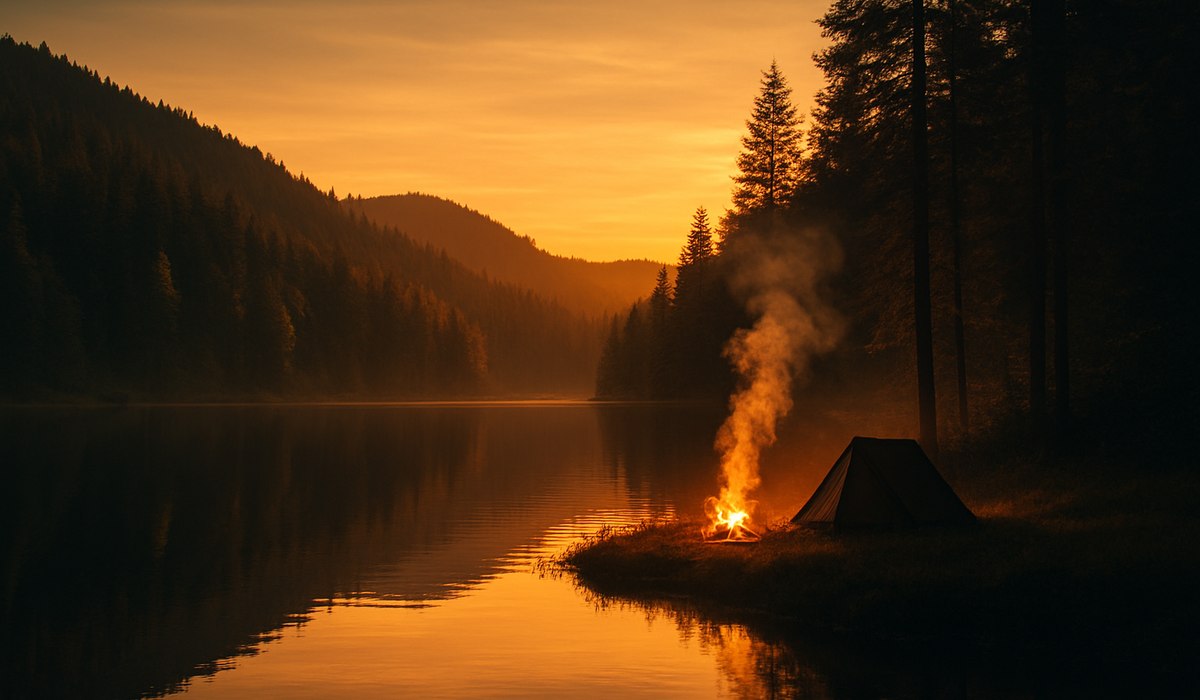
Image generated by AI
Remote Workers Discover Ohio's Best-Kept Camping Secret
A lesser-known Ohio state park positioned strategically between Columbus and Lexington is emerging as the ideal basecamp for digital nomads and outdoor enthusiasts seeking the perfect balance of connectivity and wilderness. Located just 90 minutes from Ohio's capital, this destination combines comprehensive camping infrastructure with pristine recreational opportunities—making it an unexpected haven for nomadic adventurers unwilling to compromise on reliable internet access or outdoor adventure.
The park's convenient geographic positioning addresses a growing travel trend: remote workers increasingly demand destinations offering both outdoor recreation and digital infrastructure. This Ohio state camping destination delivers on both fronts, featuring a scenic lake system ideal for fishing and boating, extensive hiking networks, and modern campground amenities supporting extended stays.
Location and Accessibility
This hidden gem sits at the crossroads of major regional corridors, positioning it as an optimal waypoint for travelers navigating between major Midwest hubs. The park's strategic location—sandwiched between Columbus's urban amenities and Lexington's cultural offerings—makes it particularly attractive for those planning multi-destination road trips or seeking temporary relocation bases.
The drive from Columbus requires approximately 90 minutes via primary highways, making weekend escapes feasible without extensive travel time. Lexington lies roughly three hours south, offering additional regional flexibility. Excellent road infrastructure means reliable vehicle access year-round, and the park's main entrance features clearly marked signage from all approach routes.
Proximity to both metropolitan areas provides crucial advantages for remote workers. Columbus offers multiple co-working spaces and high-speed internet infrastructure, while the park itself increasingly supports mobile connectivity through cellular coverage improvements and Wi-Fi availability at select facilities.
Camping and Lodging Options
The park operates a comprehensive campground system accommodating diverse preferences and stay lengths. Standard tent camping sites feature level ground, established fire rings, and convenient water access. RV-friendly loop areas include full hookups—electricity, water, and sewage connections—making extended seasonal stays comfortable for digital nomads.
Cabin rentals provide weatherproof alternatives to tent camping, featuring beds, heating, and basic climate control. These accommodations appeal particularly to remote workers requiring reliable indoor workspaces during inclement weather. Reservation systems operate year-round, though spring through fall represents peak demand periods.
The campground's recent infrastructure upgrades include improved cell tower coverage and hardwired internet access at select pavilions and office areas. These enhancements specifically address remote worker requirements, acknowledging the growing demographic of location-independent professionals seeking outdoor basecamp destinations.
Water Activities and Fishing
The park's centerpiece—a pristine lake system—supports world-class fishing opportunities alongside recreational boating and swimming. Largemouth and smallmouth bass populations provide excellent sport fishing prospects, attracting experienced anglers and casual recreational fishers alike. Catfish and panfish species ensure consistent catch rates throughout the year.
Boat launch facilities accommodate both personal watercraft and rentals available through park concessionaires. No specialized permits beyond standard Ohio fishing licenses are required, simplifying logistics for visiting anglers. Swimming areas feature designated beaches with seasonal lifeguard coverage during summer months.
The lake's clean water quality and established fishery management protocols make it an accessible destination for those seeking authentic outdoor recreation experiences. Educational fishing programs occasionally feature expert-led demonstrations covering local species, seasonal patterns, and sustainable catch practices.
Hiking Trails and Land-Based Recreation
Beyond water-based activities, the park's terrain supports an impressive network of hiking trails ranging from gentle nature walks to moderately challenging backcountry routes. Well-maintained pathways wind through mixed deciduous forest, offering seasonal wildflower displays and wildlife observation opportunities.
Trail conditions receive regular maintenance, with marked junctions and distance indicators helping hikers navigate confidently. The diverse topography provides elevation variation without extreme climbing demands, making routes accessible to varying fitness levels. Forest canopy coverage offers welcome shade during warm months while autumn color displays attract significant visitor traffic.
Secondary recreational opportunities include picnicking areas, nature photography locations, and bird-watching sites. The park's habitat diversity supports songbird communities and occasional sightings of larger fauna including deer and occasional turkeys.
Best Time to Visit
Spring and fall present optimal conditions for Ohio state camping, combining comfortable temperatures with lower humidity and reduced insect pressure. April through May features emerging vegetation, mild temperatures ranging from 55–70°F, and manageable rainfall. Autumn (September–October) delivers crisp mornings, vibrant foliage, and reliable clear skies.
Summer camping peaks with June through August representing peak visitor periods. Water temperatures warm sufficiently for comfortable swimming, fish activity increases, and trail conditions remain excellent. However, expect crowded campgrounds and higher reservation competition.
Winter camping appeals to hardy adventurers, with December through February offering solitude and unique landscape aesthetics. Campground operations continue year-round, though some facilities reduce seasonal hours. Cold weather hiking presents safety considerations requiring appropriate preparation.
How to Get There
From Columbus: Exit I-71 southbound toward the regional highway network. Follow directional signage approximately 90 minutes through mixed rural and semi-urban terrain. The park entrance features clearly marked access points from primary approach routes.
From Lexington: North-bound travelers navigate approximately three hours via interstate corridors toward the park's southern access points. Highway infrastructure supports reliable travel regardless of seasonal conditions.
GPS Coordinates: Navigation systems and mapping applications provide precise routing. Search "Ohio state camping park" within your preferred navigation platform for turn-by-turn directions.
Public Transportation: Limited public transit serves this rural destination. Personal vehicle ownership represents the practical requirement for access. Ride-sharing services operate inconsistently in surrounding areas.
| Feature | Details | Best For |
|---|---|---|
| Distance from Columbus | 90 minutes via highway | Urban professionals seeking quick escapes |
| Lake Size | 500+ acres (approximate) | Fishing, boating, water recreation |
| Camping Options | Tent sites, RV hookups, cabins | Extended stays, diverse preferences |
| Fishing Species | Bass, catfish, panfish | Recreational and sport fishing |
| Hiking Trail Miles | 15+ miles of maintained trails | Hikers of varying abilities |
| Seasonal Operations | Year-round facility access | Flexible travel scheduling |
What This Means for Travelers
This emerging destination addresses a specific gap in Midwest outdoor recreation offerings. Digital nomads increasingly seek basecamp locations supporting both professional connectivity and recreational immersion. This Ohio state camping park delivers on both requirements.
Actionable takeaways for your visit:
-
Reserve accommodations six weeks ahead during peak seasons (April–May and September–October) to secure preferred campground locations with optimal cellular coverage.
-
Download offline maps and trail guides before arrival, as cellular coverage remains inconsistent in backcountry areas despite recent infrastructure improvements.
-
Verify fishing license requirements through Ohio Department of Natural Resources before packing rods, as regulations differ for resident versus non-resident anglers.
-
Test internet connectivity at specific campground areas during your initial day, identifying optimal work locations for video conferencing and deadline-critical tasks.
-
Plan multi-day stay itineraries combining morning work sessions with afternoon recreational activities, maximizing the park's unique advantages for location-independent professionals.
FAQ
Can remote workers maintain reliable internet connectivity for video calls? Recent infrastructure upgrades enhanced cellular coverage throughout the park. Select campground facilities offer hardwired internet access, though connectivity quality varies by location. Test your workspace during the first day to identify optimal setup zones.
What fishing licenses do out-of-state visitors require? Non-resident anglers must obtain Ohio fishing licenses through the Ohio Department of Natural Resources online system before fishing. Daily and seasonal permits accommodate various visit durations. Specific regulations govern catch limits and species restrictions.
**Are dogs and pets
Disclaimer
This article is for informational and educational purposes only. It does not constitute legal, financial, or professional advice. While we strive to provide accurate and up-to-date information, travel policies, regulations, and conditions change rapidly. Always verify information with official sources before making travel decisions. Nomad Lawyer makes no representations about the accuracy, reliability, completeness, or suitability of the information provided. Readers should consult qualified professionals for advice specific to their circumstances. The views expressed in this article are those of the author and do not necessarily reflect the views of Nomad Lawyer.
Preeti Gunjan
Contributor & Community Manager
A passionate traveller and community builder. Preeti helps grow the Nomad Lawyer community, fostering engagement and bringing the reader experience to life.
Learn more about our team →