
Yellowstone Grand Teton Wyoming: Which Park for Your 2026 First Visit
Planning your first Wyoming national park trip in 2026? Compare Yellowstone's geothermal wonders with Grand Teton's alpine peaks to choose your perfect destination.

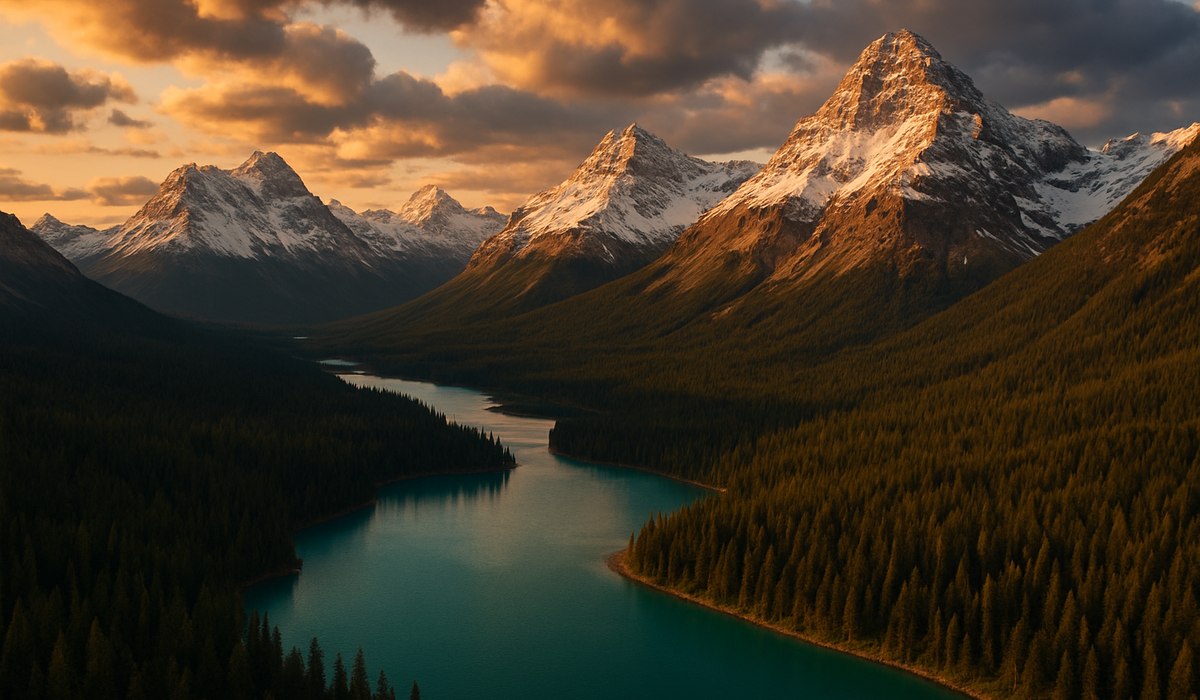
Image generated by AI
Planning Your Wyoming National Park Debut: Yellowstone and Grand Teton Draw Record First-Time Visitors in 2026
Yellowstone and Grand Teton continue attracting thousands of inaugural visitors to Wyoming this year, each offering dramatically different natural attractions. The choice between these two iconic parks hinges on whether you prioritize geothermal phenomena and wildlife viewing or alpine scenery and mountaineering adventures. Both parks remain open year-round, though peak visitation seasons influence your experience and accessibility.
This comparison guide helps first-time visitors navigate the distinct characteristics of Yellowstone Grand Teton Wyoming, ensuring your inaugural experience matches your travel style and physical capabilities.
Yellowstone's Unique Geothermal Features and Wildlife
Yellowstone stands as the world's first national park, established in 1872, and maintains unparalleled geothermal activity. Old Faithful geyser erupts approximately every 90 minutes, shooting water 180 feet skyward—a phenomenon accessible via paved boardwalks requiring minimal exertion. The Grand Prismatic Spring, North America's largest hot spring, displays mesmerizing turquoise waters contrasting with orange mineral deposits.
Wildlife viewing remains exceptional throughout Yellowstone's 3,472 square miles. Bison herds graze meadowlands, grizzly bears roam wilderness areas, and wolves inhabit the Lamar Valley. The park's lower elevations and extensive road network accommodate diverse fitness levels. Most major attractions connect via the Grand Loop Road, a 142-mile scenic drive completing a figure-eight circuit.
Thermal features concentrate in the Upper and Lower Geyser Basins, where hundreds of hot springs bubble beneath yellow-hued bacterial mats. Visit the official Yellowstone National Park website for current geyser predictions and wildlife alerts before planning your route.
Grand Teton's Alpine Scenery and Adventure Activities
Grand Teton National Park showcases dramatic peaks rising 6,000 feet from valley floors, creating some of North America's most photogenic landscapes. Unlike Yellowstone, Grand Teton emphasizes backcountry exploration and technical mountaineering. The Teton Range's jagged summits appeal to experienced hikers, climbers, and wildlife photographers seeking solitude beyond crowded roadways.
Jenny Lake and Jackson Lake provide pristine alpine water for kayaking and fishing enthusiasts. The park encompasses 310,000 acres of pristine wilderness, with approximately 200 miles of maintained hiking trails ranging from leisurely lakeside strolls to strenuous summit attempts. Colter Bay and Oxbow Bend offer exceptional photography opportunities, particularly during golden hour when backlighting transforms peak reflections into liquid gold.
Wildlife encounters differ subtly from Yellowstone. Moose frequent willow wetlands, particularly around oxbows. Pronghorn antelope and mule deer inhabit sagebrush flats. The park experiences fewer bear encounters due to remoteness, though grizzlies inhabit higher elevations.
How to Decide: Best For Your Travel Style
Your ideal park selection depends on several personal factors. Choose Yellowstone if you prioritize accessible geothermal wonders, prefer driving-based exploration, or travel with family members of varying mobility levels. The park's extensive boardwalk system and paved overlooks minimize physical demands while maximizing natural wonder exposure.
Select Grand Teton if you're an experienced hiker, mountain enthusiast, or photographer seeking dramatic alpine landscapes. This park rewards active exploration and technical mountaineering skills. Solitude-seeking visitors prefer Grand Teton's smaller crowds and wilderness atmosphere compared to Yellowstone's summer congestion.
Consider hybrid travel if you possess 4-5 days. These parks sit merely 45 miles apart, connected via the scenic Teton Park Road. Many visitors allocate two days exploring Yellowstone's highlights, then venture into Grand Teton's backcountry for technical adventures.
Visiting Both Parks: Logistics and Timing
Yellowstone Grand Teton Wyoming region benefits from strategic logistical planning. Jackson, Wyoming serves as the primary gateway for both parks, offering accommodations, restaurants, and outfitter services. South Entrance Yellowstone and Grand Teton's scenic corridor create efficient routing for dual-park visitors.
Lodging inside parks fills quickly during peak season. Yellowstone operated at approximately 82% occupancy rates throughout summer 2025, prompting advance reservations for 2026 visitors. Grand Teton's limited in-park accommodations demand similar planning. Consider Jackson as your base, allowing day-trip flexibility to both destinations.
Road closures affect access timing. Yellowstone's northern passages occasionally close during winter weather, while Grand Teton remains accessible year-round via Jackson entrances. Spring snowmelt (April-May) creates temporary muddy conditions on Grand Teton trails.
Best Time to Visit
June through September represents peak visitation, offering reliable weather and full trail access. June brings wildflower blooms across Grand Teton meadows and active wildlife movements. July and August deliver warmest temperatures but maximum crowds—Yellowstone saw over 850,000 visitors in August 2025.
September offers ideal conditions: mild temperatures, diminishing crowds, and vibrant wildlife activity as creatures prepare for winter. Wildlife photographers favor September's golden light and increased predator-prey interactions along Lamar Valley.
May and October provide shoulder-season advantages: solitude, reasonable weather, and lower accommodation prices. However, higher elevation Grand Teton trails may contain snow patches into June.
Winter transforms both parks dramatically. Yellowstone becomes a frozen wonderland accessible via snowcoach tours and cross-country skiing. Grand Teton's high passes close, limiting access to lower elevation trails. Road conditions require four-wheel drive or tire chains.
How to Get There
Jackson Hole Airport (JAC) provides the primary commercial gateway, located 12 miles north of Jackson. Major carriers including Delta, United, and Southwest operate daily flights from major metropolitan areas. Ground transportation options include rental cars, shuttle services, and ride-sharing applications.
Driving access points vary by season. South Entrance connects to Gardiner-Mammoth Hot Springs Highway (US-191). West Yellowstone offers direct western access via US-191. Grand Teton becomes accessible via US-26/287 from Dubois or scenic Teton Pass from Jackson.
Distance calculations: Jackson to Yellowstone's South Entrance spans 60 miles (90 minutes). Jackson to Grand Teton Visitor Center measures only 12 miles (20 minutes). Gardiner, Montana presents a northern Yellowstone alternative, situated 30 miles from park entrances.
Visit the Wyoming Tourism Board website for current road conditions, seasonal closures, and travel permits before departure.
Essential Visitor Comparison Table
| Feature | Yellowstone | Grand Teton |
|---|---|---|
| Size | 3,472 sq miles | 310,000 acres (484 sq miles) |
| Elevation Range | 5,282–11,358 feet | 6,312–13,775 feet |
| Primary Attractions | Geysers, hot springs, wildlife | Alpine peaks, glacial lakes, canyons |
| Main Road | Grand Loop (142 miles) | Teton Park Road (43 miles) |
| Best For | Families, geology enthusiasts | Hikers, mountaineers, photographers |
| Peak Season | July–August | June–September |
| Wildlife Density | High throughout park | Concentrated in valleys |
| Accessibility | Extensive paved paths | Limited boardwalks, hiking required |
Disclaimer
This article is for informational and educational purposes only. It does not constitute legal, financial, or professional advice. While we strive to provide accurate and up-to-date information, travel policies, regulations, and conditions change rapidly. Always verify information with official sources before making travel decisions. Nomad Lawyer makes no representations about the accuracy, reliability, completeness, or suitability of the information provided. Readers should consult qualified professionals for advice specific to their circumstances. The views expressed in this article are those of the author and do not necessarily reflect the views of Nomad Lawyer.
Preeti Gunjan
Contributor & Community Manager
A passionate traveller and community builder. Preeti helps grow the Nomad Lawyer community, fostering engagement and bringing the reader experience to life.
Learn more about our team →