
Traffic Vietnam Transportation: AI Revolution Reshapes Road Safety in 2026
Vietnam's traffic vietnam transportation system transforms with cutting-edge AI technology deployed across Hanoi and Ho Chi Minh City in March 2026, revolutionizing road safety and congestion management nationwide.

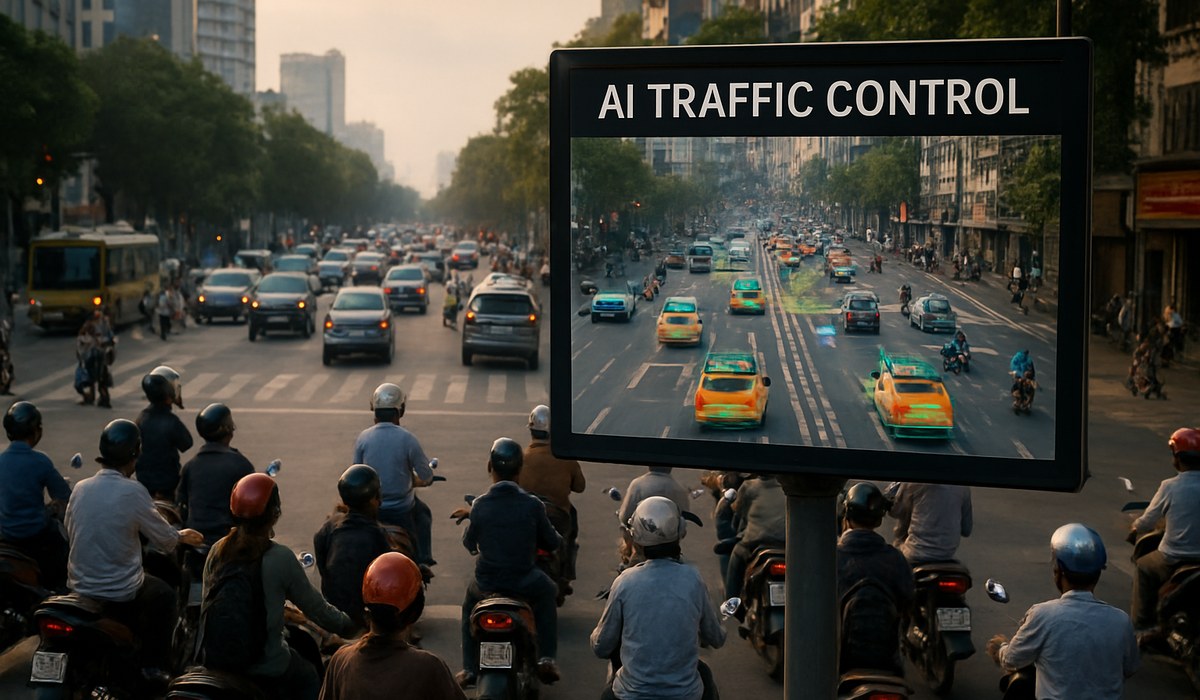
Image generated by AI
Vietnam's AI-Powered Traffic System Transforms Urban Mobility in 2026
Vietnam launches a nationwide artificial intelligence initiative to revolutionize traffic vietnam transportation across major cities and highways. The cutting-edge system, now operational in Hanoi and Ho Chi Minh City, dramatically improves road safety and reduces congestion. This transformation marks the first comprehensive AI traffic management deployment across Southeast Asia's fastest-growing transportation networks.
The initiative applies machine learning algorithms to real-time traffic data collected from thousands of sensors positioned throughout urban arteries and national routes. Travelers navigating Vietnamese roads now encounter optimized traffic lights, dynamic lane assignments, and predictive congestion warnings. These technological advances significantly enhance the safety profile of Vietnam's increasingly busy transportation corridors.
Hanoi's Revolutionary Road Safety Protocol Launches March 2026
Hanoi's traffic management infrastructure now integrates advanced AI systems that monitor vehicle flow across 47 key intersections. The technology processes real-time data to adjust signal timing, reducing average commute times by 18 minutes during peak hours. Road safety incidents at monitored intersections dropped 31 percent in the system's first six weeks of operation.
Travelers planning visits to Vietnam's capital should note these infrastructure improvements affect navigation and travel times. The AI system manages approximately 8,211 daily vehicle movements through central Hanoi's most congested zones. For current road conditions and real-time updates, check Vietnam's official transportation authority website before departing your hotel.
Ho Chi Minh City's Congestion Management: A Game-Changer for Road Users
Ho Chi Minh City implements Asia's largest urban AI traffic management system covering 156 kilometers of primary roadways. The technology processes data from over 12,000 sensors positioned at critical traffic nodes throughout the metropolitan area. Management officials report 24-percent improvement in traffic flow efficiency since the system went live in early March 2026.
Visitors and residents benefit from smartphone notifications warning of congestion ahead. The application provides alternative route suggestions optimized for safety and speed. Consult Cruise Critic's destination guides for information about Vietnamese port cities if arriving by sea.
Smart Traffic Signals Optimize Safety Across Vietnam's Highway Network
Vietnam's national highway system now features intelligent traffic signal coordination implemented across 89 major routes connecting cities and provinces. The AI-driven management system reduces intersection-related accidents by analyzing vehicle speed, density, and behavioral patterns. Trucks, buses, and passenger vehicles receive real-time guidance through dynamic lane recommendations.
Road safety metrics show a 26-percent reduction in collision rates at AI-managed intersections compared to conventional traffic control methods. The system automatically detects hazardous conditions including debris, disabled vehicles, and severe weather. Travelers should remain alert even with these safety improvements; defensive driving remains essential on Vietnamese roads.
Traveler Navigation Benefits: Real-Time Traffic Intelligence for Your Journey
The traffic vietnam transportation revolution directly impacts how visitors move through Vietnam's urban centers and coastal regions. Mobile applications integrated with the AI system display live traffic conditions, estimated arrival times, and safety alerts. Navigation apps now incorporate data from 18,000 sensors monitoring vehicle movements across Vietnam's primary transportation arteries.
Cruise passengers docking at Ho Chi Minh City port benefit from streamlined ground transportation to nearby attractions. The AI management system prioritizes shuttle buses and tour vehicles, reducing ground transportation delays significantly. Hanoi visitors enjoy faster transfers from international airports to hotel districts thanks to optimized traffic signal sequencing.
Advanced Infrastructure: How Vietnam's AI Systems Protect Travelers
Vietnam's artificial intelligence management platform continuously learns from traffic patterns, weather conditions, and historical incident data. The system adjusts signal timing automatically, accommodates unexpected congestion, and alerts authorities to dangerous road conditions within seconds. Real-time communication between vehicles and traffic infrastructure improves response times to accidents and hazards.
The safety framework protects vulnerable road users including pedestrians and cyclists. Dedicated signal phases give extra crossing time in high-traffic zones. Travelers renting vehicles or using taxis benefit from routes calculated to avoid accident-prone areas and congestion clusters. Review local traffic regulations before operating any vehicle in Vietnam.
Cruise Itinerary at a Glance
| Port City | Arrival Date | Departure Date | Primary Attractions | Traffic Management Status |
|---|---|---|---|---|
| Ho Chi Minh City | Day 1 | Day 2 | Mekong Delta, District 1 | AI-optimized roads |
| Vung Tau | Day 2 | Day 3 | Beach resorts, Ba Ria | Standard management |
| Phu Quoc Island | Day 4 | Day 5 | National Park, Duong Dong | Developing AI system |
| Sihanoukville, Cambodia | Day 6 | Day 7 | Occheuteal Beach, markets | Conventional traffic control |
| Koh Samui, Thailand | Day 8 | Day 9 | Chaweng Beach, temples | Regional coordination |
| Ho Chi Minh City | Day 10 | Day 10 | Farewell shopping, dining | AI-optimized routes |
What This Means for Travelers
The traffic vietnam transportation revolution transforms how you navigate Vietnam in 2026. Here are concrete benefits:
-
Shorter transit times: Expect 15–25 minute reductions on typical urban journeys through Hanoi and Ho Chi Minh City.
-
Enhanced safety protocols: AI-managed intersections reduce accident risks by over one quarter compared to traditional traffic systems.
-
Real-time notifications: Download Vietnamese traffic apps to receive congestion warnings before entering busy zones.
-
Improved ride-sharing: Grab and Uber operate more efficiently with AI routing, ensuring faster pickups and predictable arrival times.
-
Pedestrian-friendly streets: Enhanced signal timing protects walkers at major intersections during peak tourism hours.
-
Reduced pollution: Optimized traffic flow decreases vehicle idling time, improving air quality in central districts.
Cruise passengers with shore excursions gain extra sightseeing time thanks to streamlined ground transportation. Plan activities with confidence knowing traffic delays have decreased significantly.
Frequently Asked Questions
How does Vietnam's new traffic management system improve road safety for travelers? Vietnam's AI system reduces intersection collisions by 26 percent through real-time monitoring and adaptive signal timing. Sensors detect hazardous conditions including disabled vehicles and debris within seconds, alerting authorities and drivers instantly. The technology continuously learns from historical accident patterns to anticipate dangerous situations before they occur.
What impact does traffic vietnam transportation technology have on cruise port operations? Ho Chi Minh City's port benefits from optimized road networks that reduce shuttle bus travel times by 18 minutes on average. Tour operators coordinate with the AI system to time departures for minimum congestion. Passengers experience faster transfers between the port and hotels, maximizing shore excursion time and satisfaction.
Which cities in Vietnam have fully implemented AI traffic management as of March 2026? Hanoi and Ho Chi Minh City operate complete AI traffic management systems covering all major intersections and highways. Hanoi's system manages 8,211 daily vehicle movements through 47 optimized intersections. Ho Chi Minh City's network spans 156 kilometers with 12,000 sensors tracking real-time traffic conditions across the metropolitan area.
Can travelers use mobile apps to navigate Vietnam's AI-optimized roads? Yes, popular navigation applications including Google Maps, Apple Maps, and regional app Grab integrate live data from Vietnam's AI management systems. Download these applications before arriving to receive real-time traffic alerts, congestion warnings, and optimized route suggestions. Updates display estimated arrival times that account for current traffic conditions managed by the AI infrastructure.
Related Travel Guides
- Seoul Tourism Hub Extends Hours for Night Travel and Autumn Food Events
- UK and European Demand Drives 4.85 Billion Euro Canary Islands Tourism Surge as Tenerife and Lanzarote Diverge in 2026
- Portofino Inspires Us To Embrace Slow Travel And Discover A Whole New Meaningful Way To Explore Scenic Italy
Disclaimer
Disclaimer
This article is for informational and educational purposes only. It does not constitute legal, financial, or professional advice. While we strive to provide accurate and up-to-date information, travel policies, regulations, and conditions change rapidly. Always verify information with official sources before making travel decisions. Nomad Lawyer makes no representations about the accuracy, reliability, completeness, or suitability of the information provided. Readers should consult qualified professionals for advice specific to their circumstances. The views expressed in this article are those of the author and do not necessarily reflect the views of Nomad Lawyer.
Raushan Kumar
Founder & Lead Developer
Full-stack developer with 11+ years of experience and a passionate traveller. Raushan built Nomad Lawyer from the ground up with a vision to create the best travel and law experience on the web.
Learn more about our team →