
From Royal Palaces to Street Stalls: Wonderful Indonesia Gastronomy 2026 Redefines Archipelagic Cuisine
Wonderful Indonesia Gastronomy 2026 launches across Solo and Yogyakarta, shifting national culinary focus from luxury dining to grassroots warungs and royal recipes.

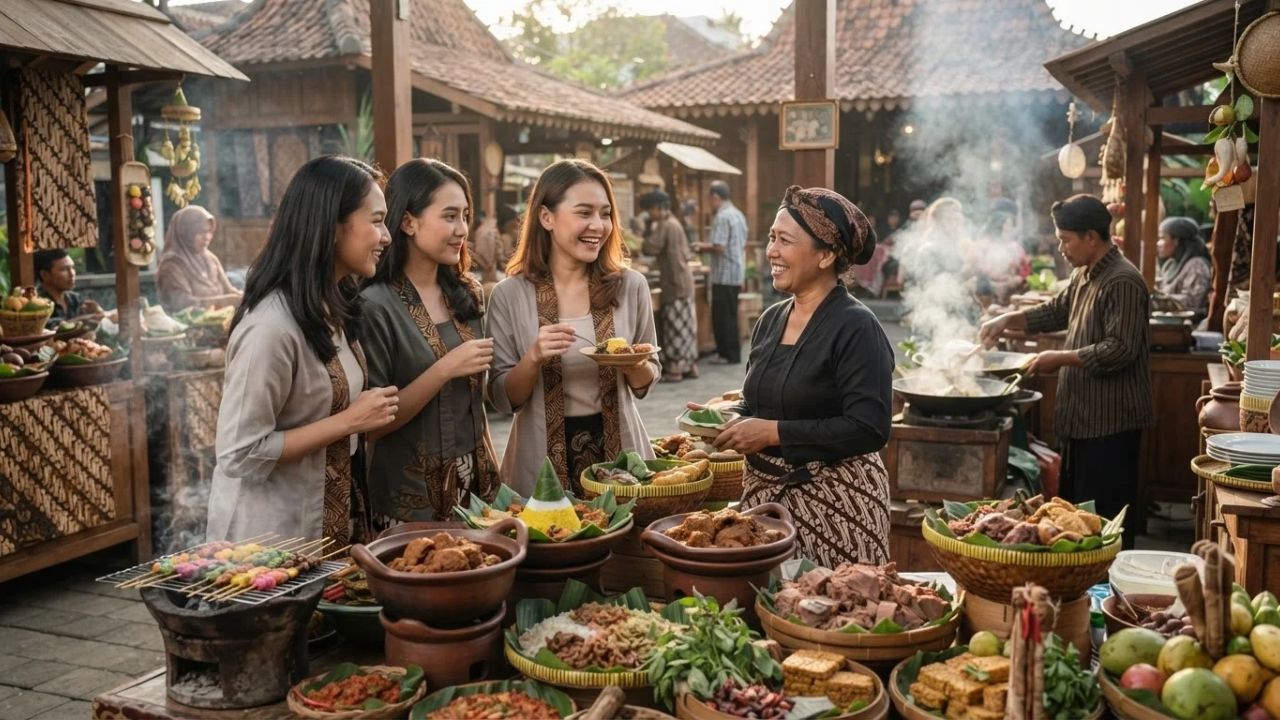
Image generated by AI
While international travelers often assume Indonesian cooking begins and ends with Bali beachfront cafes or Jakarta high-rise hotels, the nation's most intricate culinary philosophies were cultivated inside the centuries-old royal courts of Central Java—where dining was practiced as spiritual medicine, court diplomacy, and ancestral art. On September 16, 2026, Minister of Tourism Widiyanti Putri Wardhana gathered cultural stakeholders at the Balairung Soesilo Sudarman office in Jakarta to launch Wonderful Indonesia Gastronomy 2026, marking a deliberate national pivot. Jointly spearheaded by the Ministry of Tourism and the Indonesia Gastronomy Network under the banner "From Local Roots to Global Recognition," the initiative expands beyond past campaigns that catered almost exclusively to elite fine-dining establishments. By casting an intentional spotlight on grassroots street vendors, family-run roadside warungs, regional farming origins, and domestic cooking philosophies, the multi-month celebration transforms the historic twin royal capitals of Solo and Yogyakarta into the heart of global culinary exploration from September 26 through October 4, 2026, with rolling nationwide events extending through the final weeks of December 2026.
The Grassroots Awakening: Wonderful Indonesia Gastronomy 2026 Moves Beyond Fine Dining
The nationwide initiative officially commences its event calendar on September 26, 2026, with an opening ceremony staged inside the 18th-century royal palace of Pura Mangkunegaran in Solo. By launching inside this historic court, organizers establish a living connection between royal palace feasts and everyday provincial cooking. The opening is preceded by intensive culinary masterclasses on September 25 at the Politeknik Pariwisata Bali and followed on September 29 at the Politeknik Pariwisata Medan, conducted in cross-cultural partnership with the Institut Français d’Indonésie (IFI) to advance professional technique and kitchen education.
Between October 2 and October 4, 2026, the focus shifts to Yogyakarta, where the Artisan Market convenes at the Grand Hotel De Djokja. Thirteen distinct collaborators will guide interactive cooking workshops and curated tasting sessions engineered to welcome upwards of 1,300 public participants, allowing travelers to engage directly with master cooks, spice blenders, and traditional food artisans. Parallel to consumer tastings, hospitality leaders will gather for the WIG Talks professional seminars, bringing 22 expert speakers across five distinct seminar blocks and a dedicated book review session to inspire 300 industry delegates.
The initiative also introduces two foundational publications: the Indonesia Gourmet Guide and the Indonesia Local Eateries directory, designed to give modest street stalls and neighborhood warungs equal visibility alongside celebrated restaurants. From October 7 through November 1, 2026, the expansive Culinary Festival, organized alongside the Asosiasi Pengelola Pusat Belanja Indonesia (APPBI), activates across 32 shopping centers in fourteen cities: Jakarta, Bogor, Tangerang, Tangerang Selatan, Bekasi, Surakarta, Sukoharjo, Bandung, Semarang, Magelang, Pontianak, Palembang, Denpasar, and Kendari. Rounding out the year, the Indonesia Restaurant Months campaign, themed "Beyond the Plate," runs from October 7 through December 31, 2026, in collaboration with Priceless by Mastercard to deliver curated dining promotions across the country.
What Makes Central Java’s Royal Kitchens and Street Stalls Unique
To understand why Solo and Yogyakarta form the twin anchors of this national festival, one must understand their historic position as the cultural heart of Java. When the Mataram Sultanate fractured in 1755, it gave rise to two rival cultural poles: Surakarta (widely known as Solo), centered around the Kasunanan and Mangkunegaran palaces, and Yogyakarta, centered around its walled Kraton. The royal courts competed not through warfare, but through music, dance, textile refinement, and kitchen sophistication.
Javanese palace cooking represents a celebration of slow craft. Dishes simmer for hours over tamarind wood or coconut-shell charcoal to meld sweet palm sugar with pungent galangal, kencur, candlenut, and aromatic lemongrass. In Solo, street corners and morning stalls serve nasi liwet, aromatic rice cooked in seasoned coconut milk and bay leaves, served on banana leaves with chayote squash stew, shredded braised chicken, and a dollop of rich coconut cream foam called areh. Other Surakarta specialties include timlo Solo, a clear chicken broth filled with fried egg rolls, chicken liver, and glass noodles, as well as tengkleng, a goat bone soup that originated during colonial times when palace servants creatively stewed bone cuts discarded by aristocrats into an aromatic broth.
In Yogyakarta, culinary life revolves around gudeg, an iconic young jackfruit stew braised for up to twelve hours with palm sugar, coriander, and teak leaves, which impart a deep mahogany tint. Served alongside spicy cattle skin stew (sambal krecek), braised tofu, and hard-boiled duck eggs, gudeg captures the gentle sweetness central to Yogya palate traditions. After sunset, the city embraces lesehan dining, where diners sit cross-legged on woven straw mats spread along sidewalks, sharing sweet ginger tea and fried tempeh while street troubadours play acoustic melodies.
Visitor Insider Tips: Navigating Warungs, Royal Courtyards, and Flavor Hubs
Experiencing the archipelago's food culture like a seasoned local requires learning daily neighborhood rhythms. Official travel insights from Wonderful Indonesia encourage visitors to look beyond hotel menus and explore community food hubs.
- Time Your Visits to Morning Wet Markets: The best flavors emerge at sunrise. In Solo, walk into Pasar Gede Hardjonagoro by 6:30 AM to try dawet telasih, a chilled bowl of coconut milk, sweet palm nectar, basil seeds, and green rice flour droplets. In Yogyakarta, explore Pasar Kranggan early for traditional jajan pasar, vibrant sweet rice flour cakes coated in freshly grated coconut.
- Master Lesehan Etiquette: When dining lesehan style on woven floor mats or eating at street warungs, remember that local tradition favors eating with your right hand. Keep your left hand resting in your lap, as it is considered impolite for handling food. When an eating stall provides a small bowl of water with lime slices (kobokan), use it exclusively for rinsing your fingertips before and after your meal, never as a drinking cup.
- Take the Electric Commuter Rail Between Hubs: Skip crowded intercity road traffic between Solo and Yogyakarta by boarding the modern electric commuter train operated by Kereta Api Indonesia. The train links Yogyakarta Station to Solo Balapan in approximately twenty minutes for 8,000 Indonesian Rupiah, making it effortless to attend morning sessions in Solo and evening tastings in Yogya.
- Base Yourself in Walking-Friendly Heritage Quarters: In Yogyakarta, book accommodation in the historic Prawirotaman quarter or the silver-crafting enclave of Kotagede, where quiet alleys offer family-run warungs and peaceful coffee roasters. In Solo, stay near the Mangkunegaran district or Ngarsopuro, where antique markets and evening satay vendors are easily reachable on foot.
- Seek Out Local Eateries Listed in New Directories: Consult the newly released Indonesia Local Eateries directory to locate authentic stalls run by multi-generational families who still hand-grind spice bumbus on heavy volcanic stone mortars (cobek).
Cultural and Environmental Context: Sustainable Foodways and Heritage Stewardship
The intentional elevation of everyday warungs reflects a broader movement toward cultural preservation and sustainable tourism across Java. Yogyakarta's historic center lies along the Cosmological Axis of Yogyakarta, a cultural landmark inscribed by the UNESCO World Heritage Centre that traces a straight line connecting Mount Merapi to the Southern Ocean, embodying the traditional balance between humanity, nature, and ancestral belief. Food in this region is deeply entwined with this cosmic harmony; festive harvest feasts and communal meals (selamatan) serve as rituals to maintain equilibrium within the community.
From an environmental standpoint, traditional Indonesian foodways are intrinsically zero-waste and plant-forward. Long before modern sustainability concepts entered commercial travel, Central Javanese cooks wrapped sticky rice, steamed fish, and sweet cakes in biodegradable banana leaves or woven palm containers called besek. The festival actively promotes these ancestral packaging methods to reduce single-use plastic waste across urban night markets.
Furthermore, supporting grassroots warungs ensures that traveler spending directly benefits smallholder farmers and neighborhood cooks rather than multinational hospitality chains. The spices, shallots, and palm sugars used in Solo's street food are cultivated on small family plots in the highlands of Mount Lawu and Kulon Progo. By welcoming 1,300 public participants to artisan workshops and directing dining crowds toward local markets, Wonderful Indonesia Gastronomy 2026 safeguards living heritage while providing genuine economic support to local communities.
FAQ: Experiencing Indonesian Gastronomy in 2026
What is the core focus of Wonderful Indonesia Gastronomy 2026? The initiative expands Indonesia's culinary promotion from upscale dining to everyday warungs, traditional home recipes, royal court cuisine, and foundational local ingredients across the archipelago.
Where do the primary festival activities take place? The main heritage events occur in Solo at Pura Mangkunegaran and in Yogyakarta at the Grand Hotel De Djokja between September 26 and October 4, 2026.
How do travelers reach Solo and Yogyakarta from Jakarta? Travelers can take direct one-hour domestic flights from Jakarta or board comfortable express trains from Gambir Station, arriving in Central Java in under eight hours.
Are street food warungs safe for international travelers to visit? Yes. Choose busy warungs with high turnover where food is cooked fresh to order over high heat, and wash hands with clean bottled water before eating.
In the quiet courtyards of Central Java, real luxury is not found on silver platters, but inside a steaming banana leaf scented with lemongrass, coconut, and eight centuries of memory.
Related Travel Guides
Disclaimer
This article is for informational and educational purposes only. It does not constitute legal, financial, or professional advice. While we strive to provide accurate and up-to-date information, travel policies, regulations, and conditions change rapidly. Always verify information with official sources before making travel decisions. Nomad Lawyer makes no representations about the accuracy, reliability, completeness, or suitability of the information provided. Readers should consult qualified professionals for advice specific to their circumstances. The views expressed in this article are those of the author and do not necessarily reflect the views of Nomad Lawyer.
Raushan Kumar
Founder & Lead Developer
Full-stack developer with 11+ years of experience and a passionate traveller. Raushan built Nomad Lawyer from the ground up with a vision to create the best travel and law experience on the web.
Learn more about our team →