
Kyushu Luxury Train Travel Joins Hokkaido and Kyoto: Japan's Golden Age of Premium Rail Expansion in 2026
Japan's Ministry of Land, Infrastructure, Transport and Tourism launches Kyushu as a premier luxury train destination, drawing wealthy international travelers away from overcrowded cities into immersive regional rail experiences.

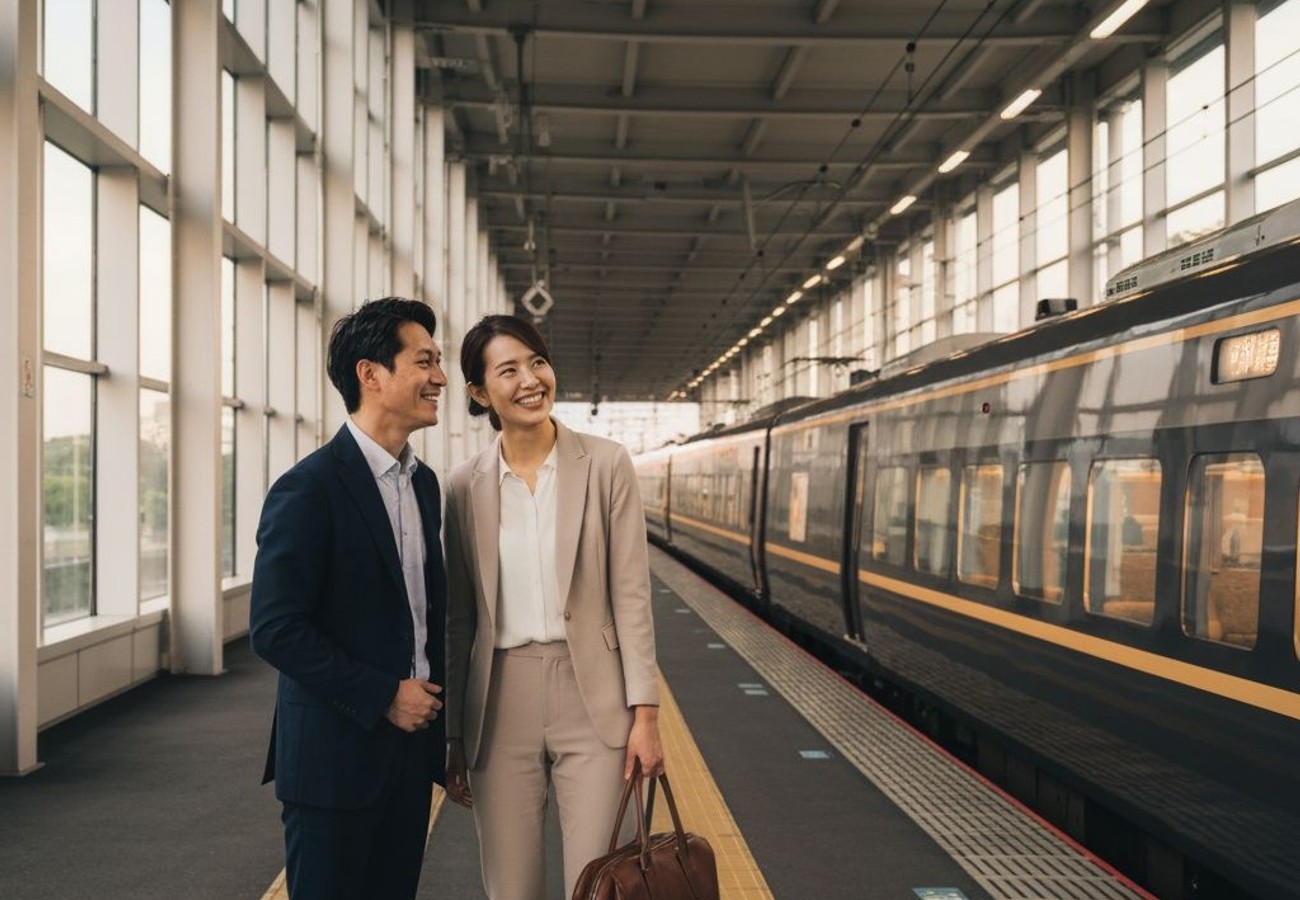
Image generated by AI
Japan's Regional Rail Revolution: The Moment Kyushu Became a Global Luxury Destination
The moment I learned about Japan's Ministry of Land, Infrastructure, Transport and Tourism (MLIT) partnering with the Japan Tourism Agency (JTA) to expand premium rail networks beyond Hokkaido and Kyoto, I understood something seismic was happening. Kyushu—the country's overlooked southern island—had just joined the pantheon of the world's most exclusive train travel destinations.
This isn't routine infrastructure development. This is a calculated pivot away from mass tourism toward what wealthy travelers crave: genuine cultural immersion delivered at glacial, intentional speed.
The Quiet Revolution: How Luxury Rail Is Redefining Japan Tourism
High-net-worth travelers are abandoning the Tokyo-Kyoto-Osaka treadmill. They're boarding multi-day journeys into mountain villages, thermal springs, and heritage pottery towns instead. The shift is dramatic enough that local rail operators have already launched three brand-new summer itineraries from Hakata Station in Fukuoka.
Reddit: "I spent 15 days on Japanese trains last year. The moment I booked a sleeper suite over a hotel, I understood why everyone's talking about this." — r/JapanTravel
The Takachiho route—a four-day corridor into mythical, sacred landscapes—sells out months in advance. Travelers visit the ancient Amano Iwato Shrine and witness generational nighttime rituals performed by local performers. The Unzen route cuts through volcanic mountain terrain toward luxury hot spring resorts. For those with less time, the two-day Kuju journey traverses highland plateaus at a pace designed for contemplation, not checkbox tourism.
Small groups of just twenty passengers per train eliminate the cruise-ship suffocation that plagues conventional tourism. Each journey features private coaches that transport guests directly to historic kiln towns where they purchase centuries-old Arita porcelain directly from artisan families.
The Architecture of Luxury: What These Trains Actually Deliver
Step inside a Kyushu luxury suite and you're entering a floating ryokan (traditional inn). Pearwood and rosewood walls frame interiors where every detail—including bathroom sinks—are handcrafted from stunning Arita porcelain by local master craftsmen.
The dining experience operates at a different altitude entirely. Top-tier culinary chefs plate multi-course regional delicacies using seasonally fresh ingredients sourced from nearby farms. Passengers relax on silk sofas listening to live piano performances while watching mountain passes blur past panoramic windows.
This is slow travel Japan luxury at its operational core: the journey becomes the destination.
The Premium Japan Luxury Sleeper Train Cost: Breaking Down the Numbers
Here's where prospective travelers ask hard questions: What does this actually cost?
Entry-level packages begin around 400,000 Japanese Yen (approximately $2,700 USD). Top-tier deluxe suites with full-width panoramic rear windows exceed 1.5 million Yen ($10,000+ USD). At first glance, these figures seem astronomical.
But examine the structure closely. According to pricing models shared by premium travel clubs, every figure is comprehensively all-inclusive: five-star accommodation, multi-course dining, premium beverages, all private regional excursions, and a remarkable three-to-one staff-to-passenger ratio that ensures unparalleled personal service.
Travel agencies have eliminated old lottery systems for booking slots. High-net-worth clients now secure direct, first-come reservations, allowing confident multi-month advance planning.
Financial transparency matters: wealthy demographics are willing to spend aggressively when value justifies expense. These trains deliver it.
The Economic Ripple Effect: Rural Communities Win
This expansion generates consequences far beyond tourism marketing. According to recent data from the Ministry of Land, Infrastructure, Transport and Tourism, luxury train networks directly combat metropolitan overtourism by routing wealthy travelers into depressed rural regions.
Local craft workshops report record-breaking summer revenues. Historic thermal ryokans experience booking surges. This equitable wealth redistribution protects fragile heritage arts facing rural depopulation. The Japan Tourism Agency (JTA) documents how premium rail successfully bridges global capital with countryside communities that conventional tourism ignores.
It's economic preservation masquerading as luxury travel.
Global Blueprint: What the World Is Learning from Japan
The long-term trajectory is unmistakable. National rail operators are investing in sustainable infrastructure—planning hybrid-electric luxury engines that protect pristine national parks. Japan's premium train expansion serves as a global blueprint for scaling tourism without destroying what makes destinations worth visiting.
The contrast with traditional tourism models is stark: conventional mass-market trains extract wealth and concentrate it in metropolitan centers. Premium regional rail distributes it strategically into communities that desperately need it.
The Moment Everything Changed
Kyushu's emergence as a world-class luxury train destination wasn't inevitable. It required governmental coordination, massive capital investment, and a philosophical shift toward slow tourism as a premium product category.
For wealthy travelers exhausted by Instagram tourism and airport hotel repetition, these Kyushu routes represent something rarer than luxury: authenticity delivered with impeccable service and meaningful cultural exchange.
The secret, as it turns out, wasn't really a secret anymore. It was simply waiting for the right infrastructure to arrive.
Japan's premium rail revolution proves that true luxury isn't about speed—it's about what you notice when you finally slow down.
Related Travel Guides
Disclaimer
This article is for informational and educational purposes only. It does not constitute legal, financial, or professional advice. While we strive to provide accurate and up-to-date information, travel policies, regulations, and conditions change rapidly. Always verify information with official sources before making travel decisions. Nomad Lawyer makes no representations about the accuracy, reliability, completeness, or suitability of the information provided. Readers should consult qualified professionals for advice specific to their circumstances. The views expressed in this article are those of the author and do not necessarily reflect the views of Nomad Lawyer.
Preeti Gunjan
Contributor & Community Manager
A passionate traveller and community builder. Preeti helps grow the Nomad Lawyer community, fostering engagement and bringing the reader experience to life.
Learn more about our team →