
Laos Teams Up With Sri Lanka and More as New Visa Rules Transform Indian Travel Plans in 2026
Laos Teams Up With Sri Lanka and More as New Visa Rules Transform Indian Travel Plans in 2026

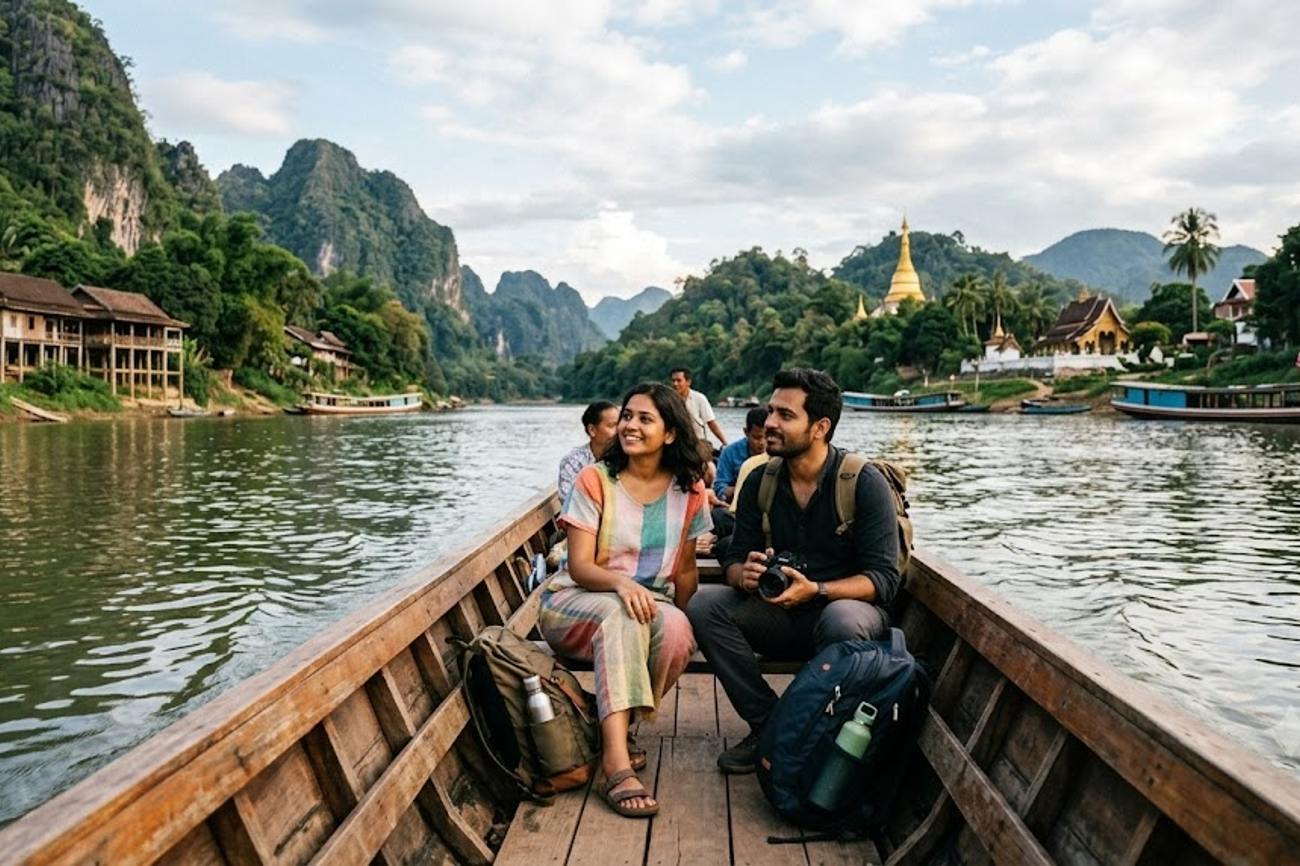
Image generated by AI
Indian passport holders can now enter Sri Lanka using a free 30-day tourist Electronic Travel Authorisation (ETA), a significant shift that removes the traditional financial barrier for short-term visits. This move is part of a broader global pivot toward digital borders, where the era of queuing at consulates with stacks of paper is being replaced by instant online approvals.
The Digital Border Shift for Indian Travelers
The landscape of international mobility is undergoing a fundamental transformation as we move toward 2026. For Indian nationals, the traditional friction of visa procurement is dissolving, replaced by electronic travel authorizations and e-visas. This is not merely a convenience; it is a strategic opening of borders. From the highlands of Laos to the coastlines of Chile, nations are recognizing the immense value of the Indian traveler and are updating their infrastructure to accommodate them.
The shift is most evident in the Asia-Pacific region. Laos has integrated an electronic visa system specifically to streamline entry for Indian citizens, moving away from the cumbersome paper-based applications of the past. Similarly, Sri Lanka has optimized its ETA system to offer a double-entry facility within a 30-day window, allowing travelers to potentially use the island as a hub for regional exploration. This trend extends far beyond Asia; Chile, Ghana, and Venezuela have all modernized their portals, ensuring that the application process happens on a screen rather than in a waiting room.
However, this digital transition requires a new kind of traveler diligence. The "visa on arrival" gamble is disappearing. In destinations like Iran, the e-visa is a mandatory prerequisite; arriving without a pre-approved digital permit is no longer a viable option. The burden of accuracy has shifted to the traveler, who must now ensure that their digital footprint matches their physical documents exactly to avoid being turned away at the gate.
What Makes These Destinations Unique
Each of these opening borders offers a distinct cultural immersion that defies the standard tourist circuit. Laos, for instance, provides a slower pace of life that is rare in Southeast Asia. While most visitors stick to Luang Prabang, the e-visa allows Indian travelers to venture deeper into the provinces, exploring the Mekong River's rhythms and the spiritual serenity of its countless wats. The country is a masterclass in Buddhist minimalism and colonial French influence, where the morning alms giving remains a living tradition rather than a performance for cameras.
Sri Lanka offers a sensory overload of tea plantations, ancient ruins, and wildlife. The ability to enter for free for 30 days makes it an ideal spot for those looking to blend luxury with rugged exploration. From the colonial charm of Galle Fort to the misty peaks of Ella, the island is a condensed version of a continent. The double-entry provision is particularly useful for those who might want to dip into a neighboring territory and return to the island to conclude their journey.
Further afield, Chile provides a gateway to the extremes of the earth. From the arid heights of the Atacama Desert to the glacial fjords of Patagonia, the new digital visa services make the Southern Cone accessible. Similarly, Ghana and Venezuela offer deep dives into African heritage and South American biodiversity, respectively. These are not "easy" destinations in the sense of being sanitized for tourism; they are raw, authentic, and culturally dense locations that reward the adventurous spirit.
Visitor Insider Tips
Navigating these new digital systems requires more than just an internet connection; it requires local strategy.
Laos Logistics: The e-visa is not a universal key. It is only accepted at specific border checkpoints and approved entry points. Before you book a bus or a flight, verify that your exact point of entry supports the electronic system. If you are crossing a land border from Thailand or Vietnam, double-check the current status of that specific crossing, as some smaller checkpoints still demand paper visas.
Sri Lanka Timing: To avoid the humidity and the crowds, aim for the "shoulder" seasons. While the free ETA makes it tempting to visit anytime, the cultural heart of the island is best experienced when the rains have just ceased. When using your double-entry permit, ensure your second entry falls strictly within the validity period granted after your first arrival to avoid immigration disputes.
Iran Etiquette: Since the e-visa is mandatory and processed in advance, use that time to research local customs. Iran is a place of extreme hospitality (Taarof), but it is also a place of strict social codes. Always carry a printed copy of your approved e-visa; while the system is digital, local officials at checkpoints often prefer a physical backup for their records.
Chilean Planning: When applying through the official Chilean consular channels, be meticulous with your financial documentation. Digital systems are efficient, but they are also rigid. Any discrepancy in your proof of funds or passport validity can lead to an automatic system rejection without a human reviewer to explain the nuance.
General Transport Hack: For those visiting multiple regions, use a dedicated secure folder (like Google Drive or Dropbox) to store PDFs of your e-visas, passport scans, and insurance. In regions like Ghana or Venezuela, internet connectivity can be spotty upon arrival; having offline access to your digital permits is the difference between a smooth entry and a stressful afternoon at customs.
Cultural and Environmental Context
The rapid digitization of visas is more than a technical upgrade; it is a tool for managing the impact of tourism on local communities. In Laos and Sri Lanka, the move toward e-visas allows governments to better track visitor flows and distribute tourists away from over-saturated hubs. By knowing who is entering and where they are likely to go, these nations can implement better conservation strategies for their UNESCO World Heritage sites, such as the ancient city of Sigiriya in Sri Lanka or the temples of Luang Prabang in Laos.
However, this increased accessibility brings challenges. The "democratization" of travel means more foot traffic in fragile ecosystems. In Chile's national parks or the rainforests of Venezuela, the influx of new visitors puts pressure on waste management and wildlife preservation. Travelers are encouraged to move beyond the "checklist" style of tourism and engage in slow travel—staying longer in one place and supporting local artisans rather than international hotel chains.
In Ghana and Iran, tourism serves as a vital bridge for cultural diplomacy. By lowering the barriers to entry for Indian citizens, these countries are inviting a demographic known for deep familial ties and a preference for authentic cultural exchange. This interaction helps dismantle stereotypes and fosters a more nuanced understanding of the Global South, moving the narrative away from political headlines and toward human connection.
FAQ: Visiting These Destinations 2026
What is the best time to visit Sri Lanka? The best time depends on the coast. Visit the southwest (Colombo, Galle) from December to March, and the east coast (Trincomalee) from May to September. The central highlands are generally pleasant year-round but can be chilly from November to February.
Do I need a visa for Laos as an Indian citizen? Yes, but you can now use the e-visa system to apply online before your trip. Ensure your passport is valid for at least six months and verify that your specific entry point accepts electronic visas before traveling.
How do I get to Chile from India? There are no direct flights. Most travelers fly via the US (requiring a transit visa), Europe (via Madrid or Paris), or through Brazil. Book your flights only after your digital visa application is officially approved.
Is it safe for solo travelers to visit Iran? Yes, Iran is generally safe for solo travelers and is famous for its hospitality. However, it is essential to have your e-visa processed in advance and to stay updated on current travel advisories from official government sources.
The world is shrinking, and for the Indian traveler, the digital key to the globe is finally turning.
Tags: Laos-Travel-2026, Sri-Lanka-ETA, India-Global-Mobility, Chile-Digital-Visa, Ghana-Tourism-2026, Iran-Evisa-Guide
Related Travel Guides
- Uganda Targets Swiss Travellers With Zurich Tram And Rail Campaign To Boost Gorilla Tourism Growth
- Georgia Tops The List Followed By Texas and More With the Strongest Air Travel Markets as US Reach $9.8 Billion Air Ticket Sales
- Switzerland Follows Many More as Namibia Strengthens Noordoewer Border Training for Global Tourist Growth
Disclaimer
This article is for informational and educational purposes only. It does not constitute legal, financial, or professional advice. While we strive to provide accurate and up-to-date information, travel policies, regulations, and conditions change rapidly. Always verify information with official sources before making travel decisions. Nomad Lawyer makes no representations about the accuracy, reliability, completeness, or suitability of the information provided. Readers should consult qualified professionals for advice specific to their circumstances. The views expressed in this article are those of the author and do not necessarily reflect the views of Nomad Lawyer.
Kunal K Choudhary
Co-Founder & Contributor
A passionate traveller and tech enthusiast. Kunal contributes to the vision and growth of Nomad Lawyer, bringing fresh perspectives and driving the community forward.
Learn more about our team →