
Brazil Shakes Up Global Wellness Travel By Creating The Perfect Sanctuary Deep Within Chapada Diamantina, Here’s The Latest Update
Brazil Shakes Up Global Wellness Travel By Creating The Perfect Sanctuary Deep Within Chapada Diamantina, Here’s The Latest Update

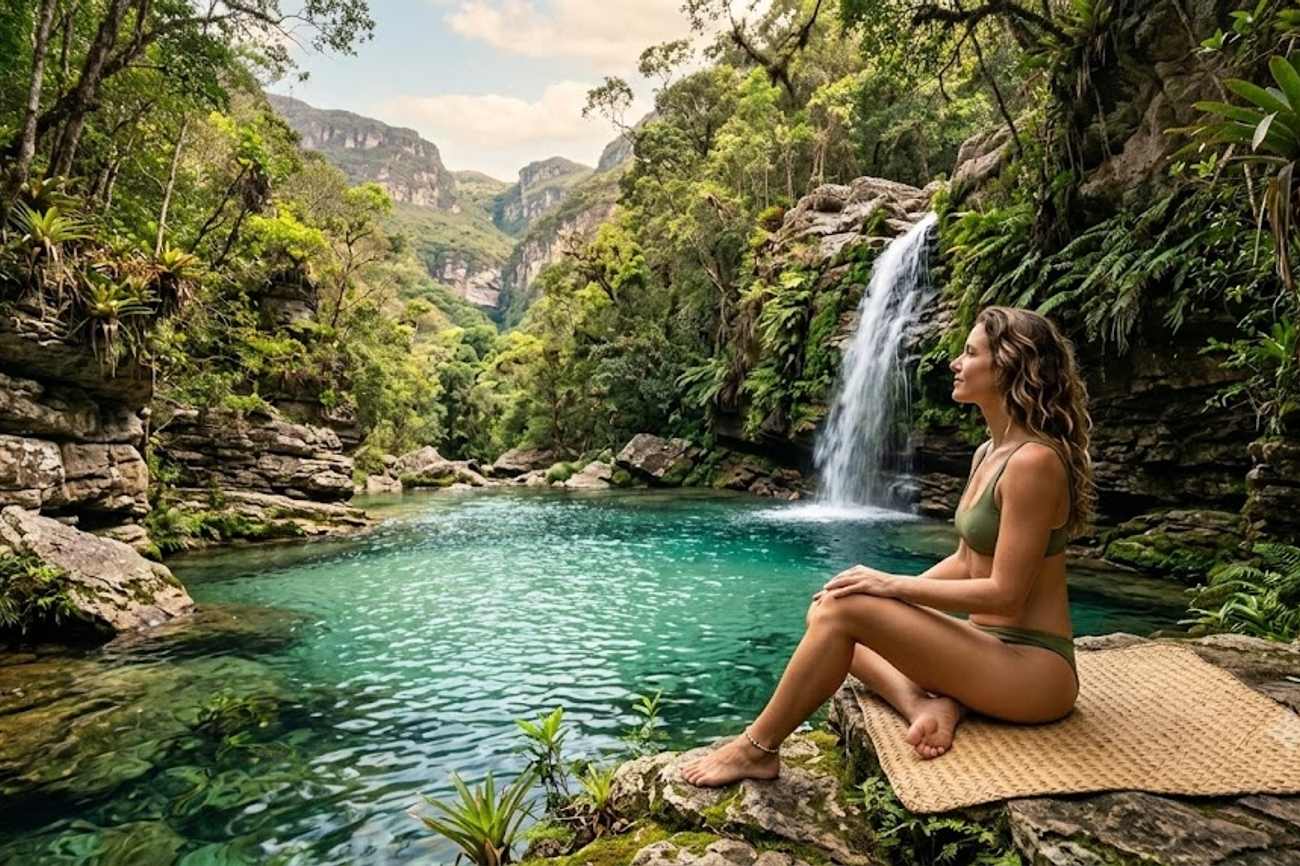
Image generated by AI
[Bahia, October 2023] — The global wellness tourism sector has surged into a $1.06 trillion market, driving a strategic shift toward "conscious tourism" in previously overlooked regions of Brazil. This economic expansion is currently fueling the development of high-impact retreats like Eden Sanctuary in Chapada Diamantina, Bahia, which aim to divert international traffic away from saturated wellness hubs in Costa Rica, Colombia, and Peru.
The movement represents a fundamental pivot in South American travel patterns. While international visitors historically clustered in coastal urban centers, a new wave of high-spending travelers is now penetrating the interior of Bahia. This shift is powered by a compound annual growth rate of approximately 9.7% within the holistic health sector, as travelers seek "healing practices" and spiritual reconnection over traditional leisure vacations.
The Shift to Chapada Diamantina
The establishment of Eden Sanctuary in the Chapada Diamantina region is a calculated response to the overcrowding of traditional wellness corridors. By positioning high-end healing centers in the heart of Bahia, operators are redistributing the global travel footprint to support regional eco-tourism economies and rural conservation.
This strategic relocation serves two primary purposes:
- Environmental Mitigation: Reducing the ecological strain on over-visited South American destinations.
- Economic Diversification: Moving the primary driver of regional tourism from seasonal mass leisure to high-yield, long-term conscious travel.
Market Impact and Passenger Profiles
The financial profile of the "conscious traveler" differs significantly from the standard tourist. Data indicates that these visitors possess substantially higher spending power, prioritizing impact-driven journeys over budget-friendly leisure.
| Metric | Standard Leisure Traveler | Wellness/Conscious Traveler |
|---|---|---|
| Average Spend per Stay | Baseline | $1,600 – $2,500 |
| Spending Increase | 0% | +41% over standard leisure |
| Stay Duration | Short-term/Seasonal | Extended/Immersive |
| Primary Spend Areas | Hotels, Sightseeing | Organic Gastronomy, Therapeutic Care, Local Guides |
What This Means for Travelers
For those booking travel to Brazil, this shift translates into a move away from "resort bubbles" and toward integrated, human-centered hospitality. Travelers should expect a transition from transactional hotel services to a model of personalized care.
Logistics and Transit: Navigating the interior of Brazil is becoming more accessible via the Brazilian Ministry of Tourism and an extensive domestic flight network. Travelers landing at major international hubs can now seamlessly connect to regional airports serving Bahia. To mitigate language barriers and transit complexity, wellness operators are increasingly providing end-to-end concierge services, including personal assistance from the moment of arrival.
Cultural Immersion: Visitors are no longer encountering staged performances but are instead entering a "living spiritual ecosystem." In Bahia, this includes the integration of:
- Indigenous Ethnobotanicals: Ancient forest medicine and botanical lineages.
- African Spiritualism: The influence of Candomblé and Umbanda.
- Syncretic Traditions: The intersection of Christian customs and Ayahuasca-centered churches such as Santo Daime.
Sustainability Requirements: Environmental standards are now a primary booking driver. More than 65% of global retreat participants now demand verified zero-waste or carbon-neutral accommodations. Travelers should verify the biodiversity stewardship credentials of their chosen sanctuary to ensure alignment with these global standards.
The Future of Conscious Tourism in Brazil
The growth of the $1.06 trillion wellness market suggests that the "Brazil model" of conscious tourism will likely expand beyond Bahia. As international capital flows into rural regions, the focus is shifting toward the protection of untouched ecosystems as a prerequisite for long-term commercial success.
The integration of local culture—specifically through communal activities like Forró and Samba—is being used to build cross-cultural bridges, moving the industry away from isolated luxury and toward authentic human connection. Future developments are expected to prioritize carbon-neutral infrastructure and deeper partnerships with Indigenous communities to preserve the ethnobotanical knowledge that makes the region a destination for healing.
Travelers planning visits to the region are encouraged to coordinate with the Bahia State Government or local tourism boards to ensure their travel supports regional conservation efforts and authentic local economies.
FAQ: Brazil Wellness Travel 2023
How do I get to remote retreats in Chapada Diamantina? Travelers typically fly into major Brazilian international hubs and then utilize the domestic flight network to reach Bahia. Most high-end sanctuaries provide personal hosts to manage ground transportation and logistics from the airport to the retreat.
What is the typical cost of a conscious tourism retreat in Brazil? While prices vary, international wellness seekers currently spend between $1,600 and $2,500 per stay. This is approximately 41% higher than standard leisure travel spending due to the inclusion of specialized therapeutic care and organic gastronomy.
Are these retreats environmentally sustainable? There is a strong industry push toward carbon neutrality. Over 65% of participants now seek zero-waste or carbon-neutral lodging. Many new sanctuaries in Bahia are designed specifically for biodiversity stewardship and ecological protection.
What cultural experiences can I expect in Bahia? Visitors experience a blend of Indigenous botanical medicine, African spiritual traditions (Candomblé and Umbanda), and local customs. Activities often include communal meals, traditional Portuguese songs, and dances such as Forró and Samba.
The era of the passive vacation is ending; the era of the transformative journey has arrived.
#BrazilWellness #ChapadaDiamantina #ConsciousTourism2023 #BahiaTravel #WellnessEconomy #EcoTourismBrazil
Related Travel Guides
- 9 Viral Upstate New York Escapes from Watkins Glen and Boldt Castle to Howe Caverns and Cooperstown That Travelers Cannot Ignore in 2026
- Canada Tourists Warned to Secure Travel Insurance Before Winter Trips as Medical Bills, Flight Delays and Snowstorms Threaten Holiday Budgets
- Melbourne Ignites a New Billion Transport Revolution as Giant Surprise Redraw Australia’s Future of Travel
Disclaimer
This article is for informational and educational purposes only. It does not constitute legal, financial, or professional advice. While we strive to provide accurate and up-to-date information, travel policies, regulations, and conditions change rapidly. Always verify information with official sources before making travel decisions. Nomad Lawyer makes no representations about the accuracy, reliability, completeness, or suitability of the information provided. Readers should consult qualified professionals for advice specific to their circumstances. The views expressed in this article are those of the author and do not necessarily reflect the views of Nomad Lawyer.
Naina Thakur
Contributor & Travel Specialist
Travel enthusiast and legal writer covering visa regulations, responsible tourism, and cultural journeys across global destinations.
Learn more about our team →