
Airbus Reimagines First Class for the A350-1000 as Airlines Recalibrate Ultra-Premium Travel Strategy
Breaking airline news and aviation industry updates for 2026.

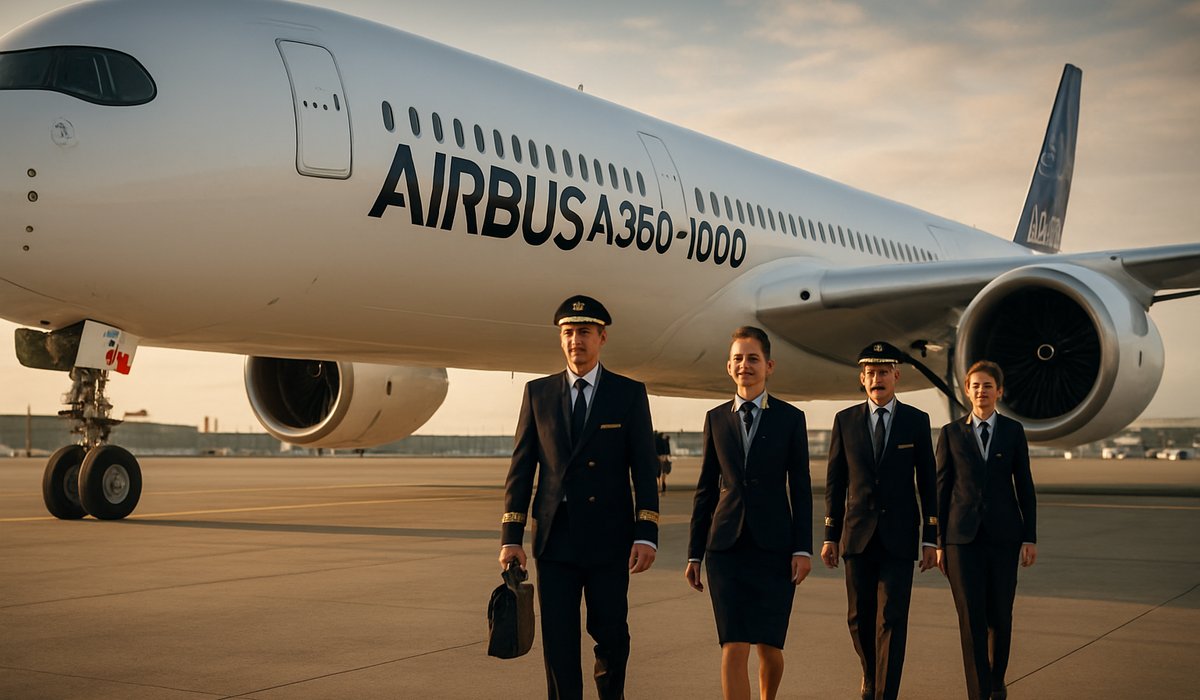
Image generated by AI
Airbus Reimagines First Class for the A350-1000 as Airlines Recalibrate Ultra-Premium Travel Strategy
The aircraft manufacturer unveils a revolutionary cabin concept designed to restore first class relevance in an era where business class has blurred traditional luxury boundaries
The First Class Paradox: Why Airlines Are Rethinking Premium Cabins
The aviation industry faces a critical inflection point. Two decades after British Airways pioneered the lie-flat business class seat in 2000, the commercial aviation landscape has fundamentally shifted—and first class cabins are caught in the crossfire.
The competitive luxury squeeze has forced a strategic reckoning across global carriers. As business class products have evolved into increasingly sophisticated offerings featuring fully flat beds, gourmet dining, and premium amenities, the traditional gap between first and business class has narrowed dramatically. Simultaneously, the expansion of premium economy seating has compressed cabin hierarchies further, leaving first class operators scrambling to justify premium pricing to cost-conscious travelers.
This market pressure has prompted divergent industry responses. Some carriers—recognizing diminished demand for ultra-premium cabins—have eliminated first class entirely, redirecting aircraft configurations toward higher-capacity business and premium economy sections. Others, however, are doubling down on first class innovation, recognizing that wealthy travelers still value exclusive experiences.
Airbus Steps In: The A350-1000 First Class Redesign
Airbus, the world's leading commercial aircraft manufacturer, has positioned itself at the forefront of this cabin redesign movement. The European aerospace giant unveiled an ambitious new first class cabin concept for its flagship A350-1000 wide-body jet at the Aircraft Interiors Expo 2025 in April, signaling manufacturer recognition that premium cabin strategy remains commercially critical.
The concept represents a deliberate effort to restore first class differentiation and recapture market demand among ultra-high-net-worth travelers. By reimagining the entire first class experience—rather than simply incremental seat upgrades—Airbus aims to provide airlines with a competitive tool to justify premium fares and rebuild the psychological separation between first and business class cabins.
Industry Implications: The Future of Ultra-Premium Travel
This development carries significant implications for the global aviation sector. Airlines operating large international fleets increasingly depend on premium cabin revenue to offset thin margins on economy services. A revitalized first class product could unlock substantial additional revenue streams, particularly on ultra-long-haul routes where wealthy business travelers and luxury leisure passengers converge.
The A350-1000, Airbus's stretched variant of the successful A350 family, represents an ideal platform for this innovation. Operating on premium routes between major financial hubs and luxury leisure destinations, the aircraft's extended range and increased capacity make it an attractive proposition for carriers seeking to balance profitability with premium service delivery.
FAQ: First Class, Premium Cabins, and Aviation's Luxury Future
Q: Why are airlines removing first class cabins entirely? A: As business class seats have become increasingly luxurious with lie-flat configurations and premium amenities, demand for dedicated first class cabins has declined. Airlines are reallocating space to higher-margin business and premium economy seats, which appeal to broader passenger demographics.
Q: How does the A350-1000 compare to competitors in premium cabin capacity? A: The A350-1000's extended fuselage allows airlines flexibility in configuring first, business, and premium economy sections while maintaining substantial economy capacity—providing carriers options that competing aircraft cannot match.
Q: What amenities differentiate modern first class from business class? A: Modern first class concepts feature private suites, exclusive dining experiences, dedicated concierge services, and architectural design elements that create psychological separation from business class—justifying premium pricing.
Q: Are wealthy travelers willing to pay for first class if it's genuinely differentiated? A: Industry data suggests strong demand exists among ultra-high-net-worth travelers for exclusive, differentiated experiences. The key is meaningful innovation rather than incremental improvements over business class.
Q: Which airlines are investing in premium cabin innovation? A: Leading international carriers including Singapore Airlines, Emirates, Lufthansa, and others are actively developing next-generation premium cabin products to maintain competitive positioning on premium routes.
Related Travel Guides
Flight Delay Compensation Guide 2026
Understanding Airline Route Changes
Airport Security Process Updated (2026)
External Resources
Disclaimer
This article is for informational and educational purposes only. It does not constitute legal, financial, or professional advice. While we strive to provide accurate and up-to-date information, travel policies, regulations, and conditions change rapidly. Always verify information with official sources before making travel decisions. Nomad Lawyer makes no representations about the accuracy, reliability, completeness, or suitability of the information provided. Readers should consult qualified professionals for advice specific to their circumstances. The views expressed in this article are those of the author and do not necessarily reflect the views of Nomad Lawyer.
Kunal K Choudhary
Co-Founder & Contributor
A passionate traveller and tech enthusiast. Kunal contributes to the vision and growth of Nomad Lawyer, bringing fresh perspectives and driving the community forward.
Learn more about our team →