
Premium Business Class on Short-Haul Routes: How Airlines Are Redefining the Sub-Five-Hour Flight Experience
Breaking airline news and aviation industry updates for 2026.

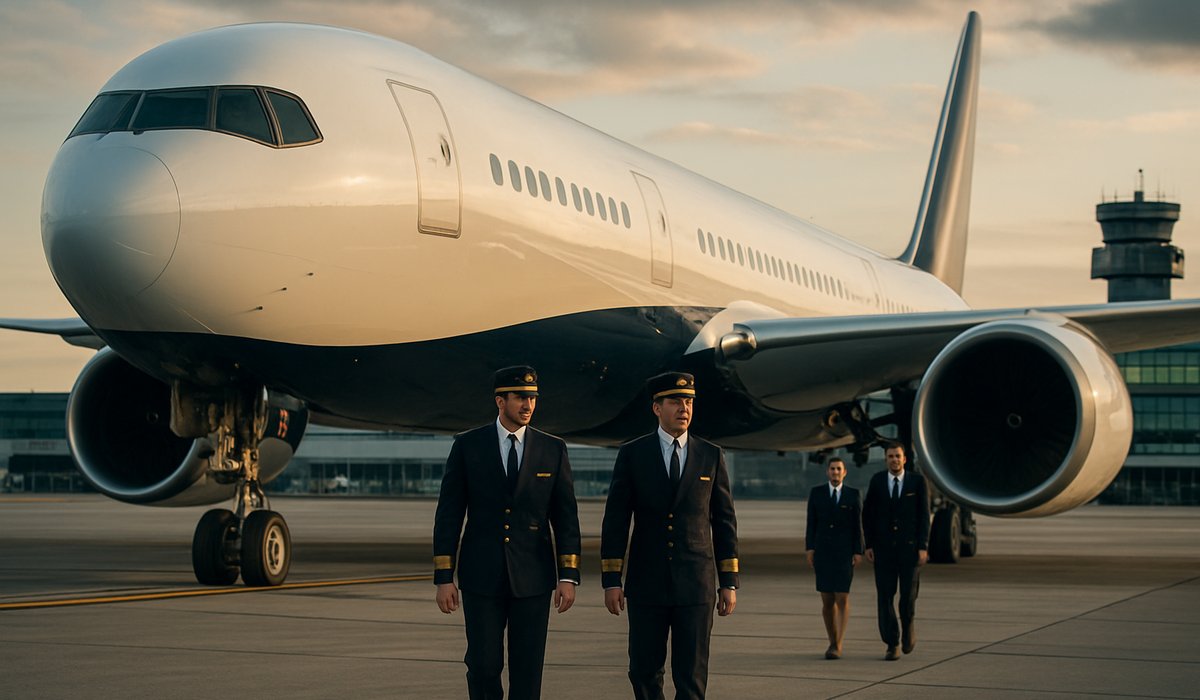
Image generated by AI
Premium Business Class on Short-Haul Routes: How Airlines Are Redefining the Sub-Five-Hour Flight Experience
Asia and Middle East carriers invest heavily in widebody cabins for regional networks, signaling a fundamental shift in aviation's competitive landscape
The Quiet Revolution in Regional Aviation
A seismic shift is underway in short-haul aviation that challenges decades of industry convention. Across Asia and the Middle Eastern corridors, where flight times rarely exceed five hours, major carriers are deploying wide-body aircraft equipped with premium business-class cabins that rival—and in some cases surpass—long-haul offerings. This strategic pivot represents far more than cabin refurbishment; it signals how airlines are fundamentally reshaping revenue models and competitive positioning in high-density, high-value regional markets.
The trend reflects escalating pressure on carriers to differentiate themselves in markets saturated with budget competitors and legacy operators. Unlike the transatlantic or transpacific routes where business class has long been standard, regional Asia-Pacific networks have traditionally relied on narrowbody aircraft with single-deck configurations. The emergence of widebody deployments on routes spanning Japan-Singapore, Doha-London, or Dubai-Mumbai corridors marks a watershed moment in aviation strategy.
What's Driving the Business Class Boom on Short Routes
Several factors are converging to make this market expansion viable. First, robust corporate travel demand across Asia's booming financial hubs generates consistent premium cabin fill rates. Second, the profitability of business-class fares—which can command 8-12 times the economy rate on identical routes—creates powerful incentive structures for fleet optimization.
Airlines deploying these widebody aircraft are installing fully-flat bed configurations, direct aisle access seating, and premium catering experiences traditionally reserved for intercontinental flights. These enhancements directly compete for lucrative corporate contracts and frequent flyer loyalty programs that historically funneled passengers toward established carriers on longer routes.
Strategic Implications for the Aviation Industry
This development carries broader implications for aviation economics. The deployment of widebody aircraft on five-hour routes increases operational costs, yet carriers are betting that premium cabin revenue offsets higher fuel consumption and maintenance expenses. Industry analysts note that this strategy works primarily in markets with sufficient premium passenger density—typically Asia's major business corridors and Gulf-based hubs.
The competitive dynamics have also triggered investment cycles across the sector. Airlines unable to match these offerings risk losing high-margin business-class contracts to competitors offering superior onboard experiences, even on short-haul routes. This has accelerated cabin modernization spending industry-wide and influenced aircraft procurement decisions among regional carriers.
The shift underscores how geography, wealth concentration, and route economics continue reshaping aviation's competitive terrain, moving away from traditional long-haul dominance toward premium regional networks.
FAQ: Short-Haul Business Class and Aviation Industry Changes
What are short-haul widebody flights? Short-haul widebody operations deploy large, two-deck aircraft (typically Boeing 777 or Airbus A350 family) on regional routes under five hours, traditionally served by narrowbody jets. This allows airlines to offer premium business-class cabins on regional corridors.
Why are airlines deploying widebody aircraft on short routes? High-demand corporate travel in Asia and the Middle East justifies premium cabin investment. Business-class fares generate 8-12 times economy revenue, making short, dense routes highly profitable despite increased fuel costs.
Which airline has the best short-haul business class in 2026? Multiple carriers across Asia and the Gulf region compete for this distinction, each offering fully-flat beds, direct aisle access, and refined finishes on regional routes.
How does this affect travel costs for passengers? While premium cabin fares remain high, increased competition may drive innovation and service improvements. Economy passengers see minimal immediate impact, though airline capacity allocation shifts toward premium seating.
Is this trend sustainable long-term? The model depends on sustained premium passenger demand in high-density markets. Economic downturns, fuel price volatility, and emerging competitors could reshape deployment strategies within 2-3 years.
Related Travel Guides
Flight Delay Compensation Guide 2026
Understanding Airline Route Changes
Airport Security Process Updated (2026)
External Resources
Disclaimer
This article is for informational and educational purposes only. It does not constitute legal, financial, or professional advice. While we strive to provide accurate and up-to-date information, travel policies, regulations, and conditions change rapidly. Always verify information with official sources before making travel decisions. Nomad Lawyer makes no representations about the accuracy, reliability, completeness, or suitability of the information provided. Readers should consult qualified professionals for advice specific to their circumstances. The views expressed in this article are those of the author and do not necessarily reflect the views of Nomad Lawyer.
Raushan Kumar
Founder & Lead Developer
Full-stack developer with 11+ years of experience and a passionate traveller. Raushan built Nomad Lawyer from the ground up with a vision to create the best travel and law experience on the web.
Learn more about our team →