
The Global Aviation Workforce: Which Major Carrier Employs the Most Flight Attendants Worldwide?
Breaking airline news and aviation industry updates for 2026.

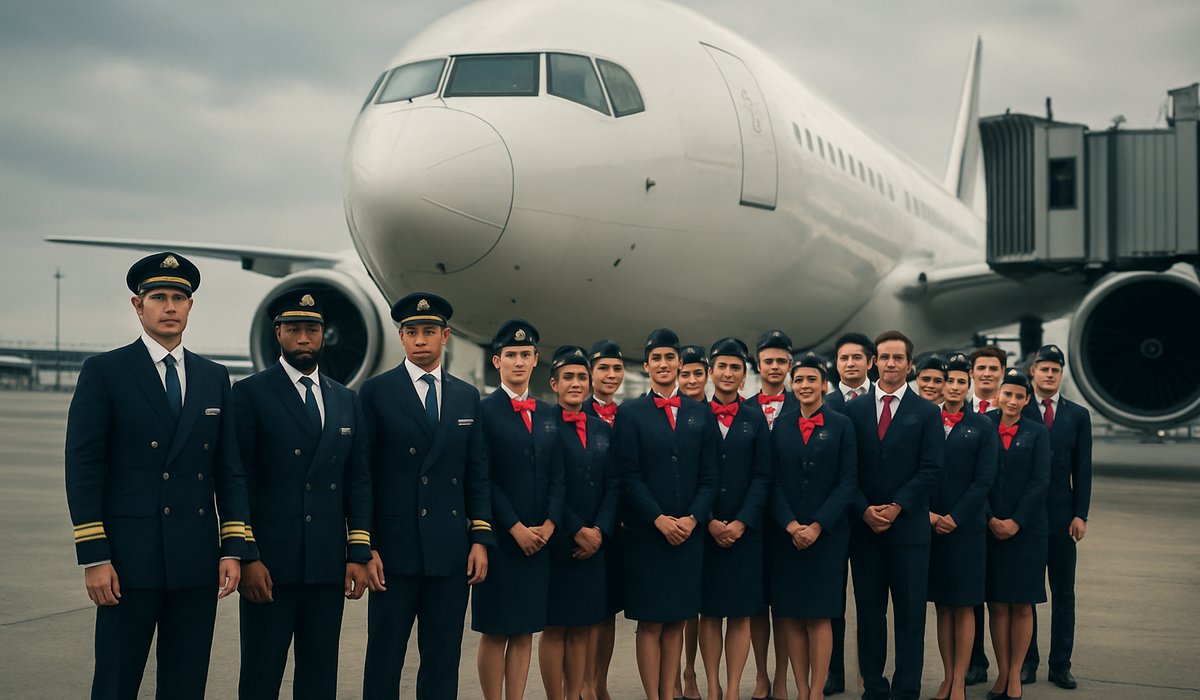
Image generated by AI
The Global Aviation Workforce: Which Major Carrier Employs the Most Flight Attendants Worldwide?
Commercial aviation's operational backbone relies on millions of workers as global air travel demand reaches unprecedented levels
The Massive Workforce Behind Global Air Travel
The commercial aviation industry stands as one of the world's largest employers, with millions of workers keeping aircraft in the sky and passengers moving across continents daily. As international air travel continues its post-pandemic recovery and expansion, airlines are scrambling to recruit and retain massive workforces—particularly cabin crew—to maintain flight schedules and service standards across an increasingly complex global network.
The scale of this employment challenge has become one of the aviation industry's most pressing operational issues, reshaping hiring practices and labor negotiations across major carriers worldwide.
Meeting Surging Demand Through Massive Hiring
Commercial aviation's economic significance cannot be overstated. The sector generates trillions of dollars annually and supports jobs across the entire supply chain—from pilots and flight attendants to mechanics, ground handlers, and operations coordinators. With global air travel demand climbing steadily, carriers face mounting pressure to expand their workforces substantially.
Flight attendants represent one of the most critical personnel categories for any airline operation. These crew members provide essential safety functions, passenger service, and operational continuity on every commercial flight. As airlines add aircraft to their fleets and increase flight frequencies, the competition for trained cabin crew has intensified dramatically.
The Industry's Staffing Expansion Challenge
Major international carriers now employ hundreds of thousands of workers collectively, with cabin crew representing one of the largest employment segments. The post-pandemic recovery period saw unprecedented hiring across the industry, as airlines rushed to restore service levels and capitalize on resurgent travel demand.
This expansion has created unique challenges: recruiting qualified personnel, maintaining rigorous safety standards during rapid growth, managing labor relations in a competitive environment, and ensuring adequate training programs keep pace with fleet expansion.
The aviation industry recognizes that operational excellence depends directly on workforce quality and size. From international hub carriers maintaining massive crew bases to regional airlines building their operations, flight attendant employment levels serve as a key metric of airline scale and operational capacity.
Frequently Asked Questions
Which airline operates the largest flight attendant workforce globally? Major international carriers like American Airlines, Delta Air Lines, United Airlines, and Lufthansa employ tens of thousands of flight attendants each, making them among the world's largest cabin crew employers.
Why do airlines need such large numbers of flight attendants? Flight attendants provide critical safety functions, conduct pre-flight checks, manage emergency procedures, and deliver passenger service. International carriers operating hundreds of daily flights require proportionally massive crews.
How has the aviation workforce changed since 2020? The pandemic triggered massive layoffs, followed by aggressive rehiring as travel demand recovered. Airlines now face ongoing recruitment challenges and competitive wage pressures.
What qualifications do airlines require for flight attendants? Candidates typically need high school diplomas, pass background checks, medical certifications, and complete intensive safety training before flying commercially.
How does the global economic outlook affect airline hiring? Economic uncertainty, fuel prices, and travel demand directly impact airline profitability and hiring decisions, creating cyclical workforce expansion and contraction.
Related Travel Guides
Flight Delay Compensation Guide 2026
Understanding Airline Route Changes
Airport Security Process Updated (2026)
External Resources
Disclaimer
This article is for informational and educational purposes only. It does not constitute legal, financial, or professional advice. While we strive to provide accurate and up-to-date information, travel policies, regulations, and conditions change rapidly. Always verify information with official sources before making travel decisions. Nomad Lawyer makes no representations about the accuracy, reliability, completeness, or suitability of the information provided. Readers should consult qualified professionals for advice specific to their circumstances. The views expressed in this article are those of the author and do not necessarily reflect the views of Nomad Lawyer.
Kunal K Choudhary
Co-Founder & Contributor
A passionate traveller and tech enthusiast. Kunal contributes to the vision and growth of Nomad Lawyer, bringing fresh perspectives and driving the community forward.
Learn more about our team →