
Fatal Fire at Viva Wyndham Dominicus Beach Triggers Mass Evacuation in Bayahibe
A catastrophic blaze at a prominent Dominican Republic resort has resulted in the death of an Italian national and the e

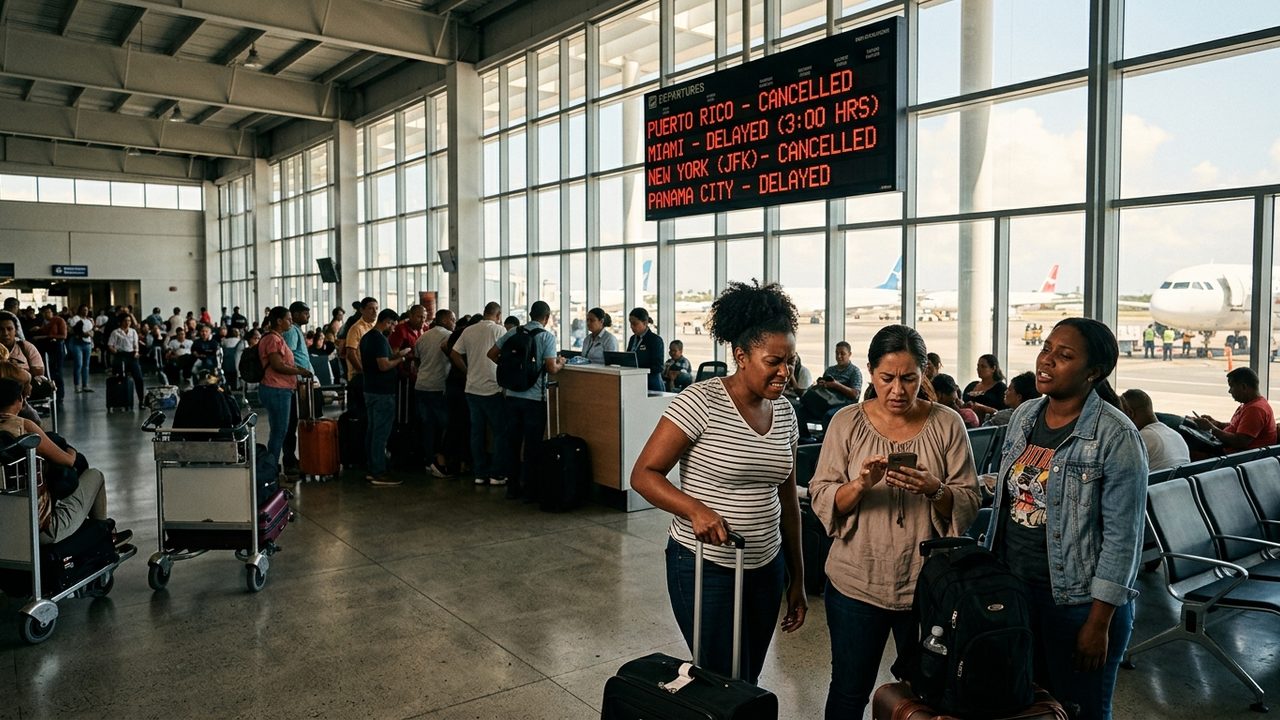
Image generated by AI
Emergency Response and Casualties in Bayahibe
A severe fire broke out at the Viva Wyndham Dominicus Beach resort in Bayahibe, leading to a large-scale emergency operation. Authorities have confirmed that one Italian tourist died from smoke inhalation during the incident.
In addition to the fatality, nine other individuals sustained injuries. Emergency medical teams and local hospitals were placed on high alert to treat those affected as the evacuation unfolded.
Large-Scale Evacuation and Guest Displacement
The intensity of the blaze forced the evacuation of approximately 1,690 guests. Resort staff and local emergency services coordinated the movement of visitors to designated assembly points before relocating them outside the resort perimeter.
The sudden nature of the exit caused significant logistical distress:
- Many guests were unable to retrieve personal belongings.
- Critical travel documents, including passports, were lost or destroyed.
- International embassies have been engaged to assist citizens with emergency documentation and flight rearrangements.
Displaced tourists were moved to neighboring hotels within the Bayahibe region to ensure temporary accommodation.
Factors Contributing to Fire Acceleration
A technical committee is currently investigating the origin of the fire. While a final report is pending, preliminary assessments suggest a combination of environmental and structural vulnerabilities accelerated the spread.
Investigators are focusing on two primary catalysts:
- High Winds: Strong coastal winds likely pushed flames across multiple resort sections rapidly.
- Roofing Materials: The use of traditional palm-thatched roofing, which is highly flammable, is believed to have fueled the intensity of the blaze.
Regional Impact and Safety Implications
Despite the scale of the disaster, a neighboring hotel remained unaffected and operational, preventing a total shutdown of the local tourism corridor. However, the event has ignited a broader debate regarding safety protocols in tropical resorts.
Industry experts suggest that the intersection of high occupancy rates, dense architectural layouts, and flammable traditional materials creates a high-risk environment. There are now urgent calls for more rigorous safety audits and updated emergency response training across the Caribbean hospitality sector.
Incident Summary Data
| Detail | Information |
|---|---|
| Location | Viva Wyndham Dominicus Beach, Bayahibe, Dominican Republic |
| Total Evacuated | Approximately 1,690 guests |
| Fatalities | 1 (Italian National) |
| Injuries | 9 individuals |
| Primary Cause of Death | Smoke inhalation |
| Suspected Accelerants | Strong coastal winds and palm-thatched roofing |
Key Takeaways
- Critical Loss: The fire resulted in one death and nine injuries, marking it as one of the region's most serious recent resort emergencies.
- Logistical Chaos: Nearly 1,700 people were displaced, with many losing essential travel documents.
- Structural Risks: The investigation highlights the danger of combining flammable traditional roofing with high-wind coastal environments.
- Systemic Review: The incident is prompting a wider industry discussion on fire safety standards for large-scale Caribbean resorts.
FAQ
Which resort was affected by the fire? The fire occurred at the Viva Wyndham Dominicus Beach resort located in Bayahibe, Dominican Republic.
How many people were evacuated? Approximately 1,690 guests were evacuated from the property.
What caused the fire to spread so quickly? Preliminary findings point to strong coastal winds and the use of flammable palm-thatched roofing materials.
Are other hotels in Bayahibe affected? No. Reports confirm that neighboring hotels remained fully operational and were not impacted by the blaze.
Related Travel Guides
Disclaimer
This article is for informational and educational purposes only. It does not constitute legal, financial, or professional advice. While we strive to provide accurate and up-to-date information, travel policies, regulations, and conditions change rapidly. Always verify information with official sources before making travel decisions. Nomad Lawyer makes no representations about the accuracy, reliability, completeness, or suitability of the information provided. Readers should consult qualified professionals for advice specific to their circumstances. The views expressed in this article are those of the author and do not necessarily reflect the views of Nomad Lawyer.
Kunal K Choudhary
Co-Founder & Contributor
A passionate traveller and tech enthusiast. Kunal contributes to the vision and growth of Nomad Lawyer, bringing fresh perspectives and driving the community forward.
Learn more about our team →