Singapore Airlines and Global Carriers Accelerate Multi-Billion-Dollar Premium Cabin Investments Ahead of 2027 Rollout

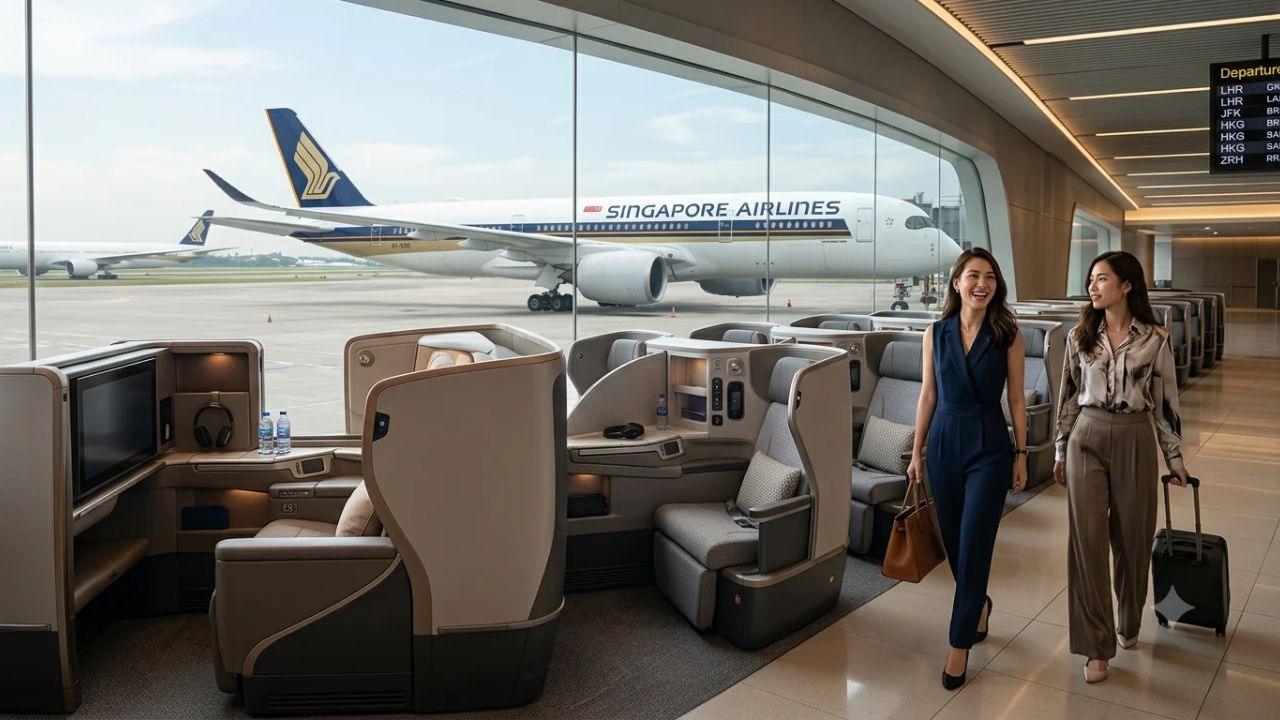
Global airlines are fundamentally re-engineering long-haul passenger cabins ahead of 2027, led by Singapore Airlines’ announcement of a multi-billion-dollar retrofit programme alongside sweeping premium expansions by legacy and boutique carriers across North America, Europe, and the Indian Ocean.
The international commercial aviation sector is undergoing a profound structural pivot away from pure volume growth toward high-yield seat monetization. Faced with persistent jet fuel volatility, aircraft delivery delays, and rising labor expenses, carriers worldwide are reallocating valuable cabin floor space to premium economy, business class, and ultra-luxury private suites. Rather than competing in low-margin price wars for economy passengers, airlines are prioritizing products that command pricing power and attract corporate travellers, affluent leisure vacationers, and remote workers seeking greater personal space, privacy, and flat-bed sleeping comfort on long-haul routes.
At the forefront of this industry-wide transformation is Singapore Airlines, which has committed more than S$2 billion (approximately USD 1.5 billion) to overhaul its long-haul passenger experience across dozens of widebody airframes. Parallel investments by American Airlines, Delta Air Lines, United Airlines, British Airways, La Compagnie, and Maldives-based BeOnd confirm that the demand for elevated in-flight comfort is reshaping fleet planning, revenue management, and destination tourism economics for the remainder of the decade.
The Economic Drivers Behind Global Premium Cabin Investments
The aggressive reallocation of cabin floor space toward premium seating is directly linked to underlying airline financial performance. While post-pandemic passenger traffic volumes have largely recovered to pre-2019 levels, profitability across the global airline industry remains remarkably thin.
Projections published by the International Air Transport Association (IATA) in June 2026 highlighted the precarious balance between airline revenue and operational expenses. While total commercial airline revenues were forecast to reach an all-time high of USD 1.165 trillion for the year, aggregate industry net profit was projected at just USD 23 billion. This translates to an average industry-wide net profit margin of approximately 2%, leaving carriers highly vulnerable to external disruptions, macroeconomic headwinds, and spikes in refined kerosene costs.
| Global Aviation Metric | IATA June 2026 Forecast Value | Operational Context and Significance |
|---|---|---|
| Total Airline Industry Revenue | USD 1.165 trillion | Record-setting commercial passenger and cargo receipts |
| Global Airline Net Profit | USD 23 billion | Modest financial buffer against global economic shocks |
| Net Profit Margin | 2.0% | Thin return necessitating higher-yield seating products |
| Passenger Ticket Revenue | USD 839 billion | Primary source of operating cash flow across all carriers |
| Ancillary and Non-Ticket Revenue | USD 165 billion | Seating assignments, baggage fees, and branded extras |
Under a 2% net margin environment, standard economy class tickets often struggle to cover the total marginal cost of flight operations once passenger service fees, catering, weight-based fuel burn, and ground handling are factored in. Premium cabins—spanning premium economy, lie-flat business class, and enclosed first-class suites—generate disproportionate profit margins. By commanding fares three to eight times higher than standard economy while occupying only two to three times the physical footprint, premium seating provides airlines with essential financial stability.
The commercial case is further bolstered by changing passenger demographics. The rapid growth of "blended travel"—where business executives combine corporate trips with remote work vacations—has expanded the addressable market for premium seats beyond traditional corporate expense accounts. High-net-worth leisure travellers increasingly view premium cabin products not merely as transit, but as an integral part of their overall holiday itinerary.
Singapore Airlines Commits S$2 Billion to Flagship Fleet Transformation
Singapore Airlines has established a global benchmark for premium passenger service, and its latest capital deployment underscores a determination to maintain leadership in long-haul aviation. The Singapore flag carrier announced an investment exceeding S$2 billion dedicated entirely to designing, manufacturing, and installing next-generation cabin interiors.
The extensive retrofit programme will be introduced progressively starting in the second half of 2027. The project encompasses 41 existing Airbus A350-900 aircraft, alongside factory-fresh installations on the carrier's incoming fleet of Boeing 777-9 aircraft. By targeting its twin-aisle long-haul workhorses, Singapore Airlines ensures consistent product delivery across premier intercontinental routes linking Singapore Changi Airport (SIN) with London, New York, Tokyo, Sydney, Frankfurt, and Paris.
| Singapore Airlines Fleet Metric | Programme Specification | Confirmed Passenger Enhancement |
|---|---|---|
| Total Capital Investment | Exceeding S$2 billion | Multi-year engineering, cabin design, and hardware overhaul |
| Core Long-Haul Aircraft | Airbus A350-900 & Boeing 777-9 | Dual-fleet deployment covering 41 retrofits plus new deliveries |
| Airbus Retrofit Programme | 41 Airbus A350-900 aircraft | Standard long-haul and ultra-long-range (ULR) variants |
| Entry into Commercial Service | Second half of 2027 | Progressive line rollout across global route networks |
| Primary Passenger Enhancements | Privacy suites, double beds, 4K IFE | Enhanced ergonomics, wireless charging, high-bandwidth connectivity |
First Class Suites and Convertible Double Beds
On equipped aircraft, Singapore Airlines’ new first-class cabin will showcase fully enclosed private suites designed to maximize personal space and acoustic isolation. Building upon its iconic Airbus A380 Suites, the new design features adjoining center suites that can be combined to create a seamless double bed for couples travelling together. Suites will incorporate customizable ambient lighting, bespoke wardrobe storage, companion dining capabilities, and ultra-high-definition 4K inflight entertainment displays.
Next-Generation Business Class
In the business-class cabin, Singapore Airlines is introducing enhanced privacy architectures, including sliding privacy doors and higher shell partitions. The seating architecture emphasizes versatile ergonomic configurations, allowing passengers to switch seamlessly between upright productivity modes, relaxed lounge postures, and 78-inch fully flat sleeping surfaces. Direct aisle access is preserved across a 1-2-1 layout, accompanied by universal fast-charging ports, active noise-cancelling headphone integration, and intuitive seat controls.
Upgraded Premium Economy and Economy Cabins
The S$2 billion investment extends beyond front-cabin luxury. Recognizing that premium economy serves as an essential bridge for aspiring leisure travellers, Singapore Airlines is introducing redesigned seating geometry that provides improved calf and footrest support, additional personal stowage, and expanded video monitors. Standard economy cabins will receive slimline seats engineered to maximize usable knee clearance, accompanied by high-efficiency personal ventilation, larger high-definition touchscreens, and fleet-wide high-speed satellite Wi-Fi connectivity.
United States Airlines Reconfigure Long-Haul Cabins and Revenue Models
North American carriers are aggressively expanding premium capacity to capitalize on strong domestic and international passenger spending. American carriers have recorded unprecedented financial returns from premium seating tiers, prompting fundamental adjustments to aircraft interior layouts.
American Airlines provided clear evidence of this commercial reality during the third quarter of 2026. The Fort Worth-based carrier reported that premium cabin products generated approximately 50% of its total passenger ticket revenue, despite accounting for only about 30% of total seat capacity across its operating fleet. Across the same period, American recorded an 18.5% year-on-year increase in premium passenger unit revenue, validating its multi-year strategy to eliminate standard economy rows in favor of expanded Flagship Suite and Premium Economy seating on Boeing 777 and 787 fleets.
| US Airline Operator | Strategic Premium Initiative | Core Travel and Commercial Benefit |
|---|---|---|
| United Airlines | Relax Row & Enhanced Economy Plus | Convertible multi-seat sleeping options and dedicated workspace |
| American Airlines | Flagship Suite & Premium Expansion | Premium products generate 50% of revenue from 30% of seats |
| Delta Air Lines | Next-Generation Delta One Suites | All-suite business class debuting on Airbus A350-1000 in 2027 |
| JetBlue Airways | BlueFirst Domestic First Class | Premium domestic product launching December 2026 |
| Southwest Airlines | Assigned Seating & Extra Legroom | Structural departure from open seating to capture business yields |
United Airlines: Relax Row and the A321XLR Experience
United Airlines is exploring innovative intermediate comfort solutions. Scheduled for commercial launch in 2027, United’s "Relax Row" introduces convertible seating concepts within the main cabin, allowing passengers to purchase adjacent empty seats equipped with fold-out mattress pads to create lie-flat resting spaces on long-haul routes.
Simultaneously, United’s newly delivered Airbus A321XLR aircraft—deployed on transatlantic city pairs from Newark and Washington Dulles—feature an enhanced Economy Plus configuration where the middle seat remains permanently unoccupied and is replaced by a shared center console table. This arrangement provides executive travelers with dedicated working space and shoulder room without the full expense of a business-class lie-flat ticket.
Delta Air Lines and JetBlue Expanding Premium Footprints
Delta Air Lines continues to position itself as a premium network carrier. The airline confirmed plans to debut next-generation Delta One enclosed suites aboard incoming Airbus A350-1000 aircraft starting in 2027. These suites will feature taller privacy doors, upgraded breathable memory-foam cushions, customizable lighting environments, and expanded personal stowage compartments tailored for international executive transit.
In the domestic arena, JetBlue is launching "BlueFirst" in December 2026. Designed as a traditional domestic first-class product for transcontinental and regional trunk routes, BlueFirst bridges the gap between standard economy and the carrier's acclaimed transatlantic Mint suites, expanding Jet2-style comfort across domestic business routes. Even low-cost pioneer Southwest Airlines has abandoned its historic open-seating model, announcing assigned seating and dedicated extra-legroom sections across its Boeing 737 fleet to capture yield-sensitive travelers.
United Kingdom Operators: British Airways Superjumbos and Jet2 VIP Charters
Aviation operators in the United Kingdom are deploying contrasting strategies to capture high-value passenger segments across scheduled intercontinental routes and bespoke charter operations.
British Airways is executing a comprehensive interior overhaul across its flagship fleet of 12 Airbus A380 superjumbos. The multi-million-pound refurbishment focuses heavily on the double-decker aircraft's premium spaces. The upper deck will be entirely configured with British Airways’ Club World Suites, featuring sliding privacy doors, direct aisle access, and generous lie-flat bed lengths. The airline is also designing a completely new, bespoke First Class cabin located on the main deck, intended to rival Middle Eastern and Asian luxury carriers on key routes between London Heathrow (LHR) and North America, South Africa, and Asia. Economy and World Traveller Plus cabins will receive refreshed seat upholstery, modernized in-seat power delivery, and high-speed inflight entertainment hardware.
| UK Carrier / Service | Aircraft Platform | Confirmed Premium Specification |
|---|---|---|
| British Airways First Class | Airbus A380 (Main Deck) | Completely redesigned ultra-luxury flagship suites |
| British Airways Club World | Airbus A380 (Upper Deck) | Enclosed Club Suite layout with direct aisle access |
| British Airways World Traveller | Airbus A380 (Both Decks) | Ergonomic seating, upgraded power outlets, 4K IFE displays |
| Jet2 VIP Charter Fleet | Boeing 737-800NG | Dedicated 76-seat all-business configuration |
| Jet2 Charter Passenger Experience | Boeing 737-800NG | Minimum 43-inch seat pitch, tailored executive catering |
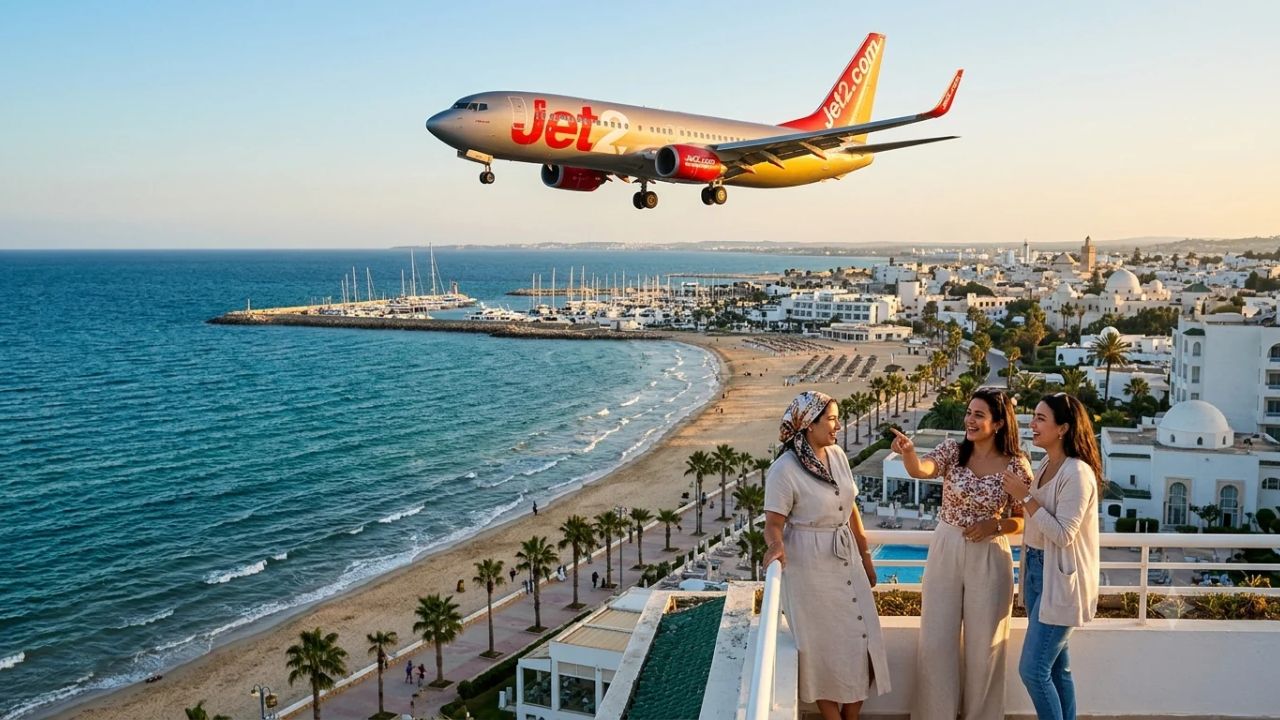
In the leisure and corporate charter market, leisure specialist Jet2 has introduced a uniquely configured Boeing 737-800NG aircraft designed exclusively for private group charters. While a standard commercial Jet2 737-800NG accommodates 189 economy passengers, this dedicated VIP airframe features only 76 business-class seats arranged in a spacious 2-2 configuration.
The aircraft provides passengers with a minimum seat pitch of 43 inches, generous recline, and specialized catering capabilities. Operating independently from Jet2's scheduled Mediterranean holiday network, the aircraft targets professional sports organizations, corporate delegations, music tour productions, and high-end incentive travel groups requiring personalized departures, generous baggage allowances, and elevated in-flight service across regional UK airports.
European and Indian Ocean Boutique Airlines: Specialized Luxury Models
Beyond large legacy alliances, boutique airlines are demonstrating the commercial viability of dedicated all-premium business models on transatlantic and leisure corridors.
France: La Compagnie’s Transatlantic Business Model
French carrier La Compagnie operates an exclusively all-business-class model that bypasses conventional multi-tier cabins entirely. Utilizing a dedicated fleet of Airbus A321neo aircraft, La Compagnie connects Newark Liberty International Airport (EWR) with Paris Orly (ORY), Nice Côte d'Azur (NCE), and Milan Malpensa (MXP).
Each A321neo is fitted with just 76 lie-flat seats arranged in a two-by-two layout. Every seat extends into a fully horizontal bed measuring approximately 192 centimeters (75.6 inches) in length, equipped with thick mattress toppers, anti-allergy pillows, and individual entertainment screens. By operating single-cabin aircraft, La Compagnie minimizes boarding delays, eliminates boarding class friction, and delivers consistent premium dining curated by French chefs. The airline is planning further route network expansions across North America and Southern Europe as traveler demand for dedicated business-class transit accelerates.
| Boutique Airline | Operating Base | Aircraft Type | Cabin Configuration | Signature Features & Key Routes |
|---|---|---|---|---|
| La Compagnie | Paris, France | Airbus A321neo | 76 Seats (100% Business) | 192 cm lie-flat beds; Newark to Paris, Nice, and Milan |
| BeOnd | Malé, Maldives | Airbus A319 / A321 | 44–68 Seats (All-Premium) | Lie-flat luxury leisure; Zurich, Munich, Milan to Malé |
Maldives: BeOnd Connects European Luxury Tourism
In the Indian Ocean, luxury airline BeOnd demonstrates how premium aviation directly supports high-end island tourism. Associated with the Maldives, BeOnd operates specially fitted narrowbody Airbus aircraft featuring all-flat-bed seating designed exclusively for leisure vacationers bound for five-star private island resorts.
Following seasonal schedule updates in October 2026, BeOnd announced the resumption of its European flight corridors connecting Zurich, Munich, and Milan to Velana International Airport (MLE) in Malé:
- Zurich (ZRH) to Malé: Resumed service on 2 October 2026, operating twice weekly.
- Munich (MUC) to Malé: Resumed service on 25 October 2026, operating twice weekly.
- Milan Malpensa (MXP) to Malé: Scheduled to begin service on 11 November 2026, operating twice weekly.
Unlike nonstop widebody flights operated by Gulf or European legacy carriers, BeOnd’s narrowbody aircraft operate with a short scheduled technical stop for refueling along the route. However, the carrier offsets this transit with an uncrowded cabin environment, bespoke dining menus, and dedicated resort transfers upon landing in Malé, catering directly to affluent travelers who prioritize comfort over mass-market flight itineraries.
Long-Term Tourism Impacts Across Key Passenger Demographics
The rapid expansion of premium airline seating throughout 2026 and heading into 2027 carries direct consequences for the global travel ecosystem. Aircraft cabin real estate is finite; allocating more square footage to wide-pitch seats and private suites inevitably reduces the total seat count available on widebody aircraft. This dynamic shifts pricing, availability, and packaging strategies across multiple tourism sectors.
| Travel Sector | Direct Operational Impact | Strategic Consequence for Travellers |
|---|---|---|
| Long-Haul Leisure Holidays | Expanded premium economy availability | Reduced travel fatigue, increased willingness to fly 10+ hours |
| Family Vacation Travel | Convertible rows and multi-seat beds | Increased comfort for young children on overnight intercontinental flights |
| Luxury Resort Packaging | Bundled high-end flight and hotel packages | Five-star resorts integrating private cabin transit into booking rates |
| Corporate & Bleisure Transit | Enclosed suites with direct aisle access | Higher in-flight productivity, mobile workspace, and Wi-Fi connectivity |
| Budget & Backpacker Tourism | Constricted standard economy cabin footprints | Tighter economy pitch and potential upward pressure on basic economy fares |
Premium Economy as the New Battleground
The most significant volume shift is occurring in premium economy. For decades, the gap between cramped standard economy seats and multi-thousand-dollar business-class beds was vast. By expanding premium economy cabins, airlines offer an accessible middle tier that provides 38 inches of pitch, dedicated check-in, priority boarding, and upgraded dining without corporate-level price tags. For travelers heading on once-in-a-lifetime holidays to Japan, Southeast Asia, Australia, or South Africa, upgrading to premium economy has become an increasingly standard travel expense.
The Squeeze on Economy Cabins
Conversely, the expansion of luxury cabins introduces financial pressure for budget-conscious vacationers. As airlines remove standard economy rows to install spacious suites, overall seat supply decreases. To maintain payload efficiency, carriers frequently adopt 10-abreast seating layouts (3-4-3) on Boeing 777 aircraft and tighten seat pitch in standard economy to 30 or 31 inches. Consequently, leisure travelers seeking the lowest possible fares face tighter quarters and must carefully compare baggage inclusions, seat selection fees, and fare rules before committing to reservations.
Frequently Asked Questions
What improvements is Singapore Airlines making to its cabins for 2027?
Singapore Airlines is investing over S$2 billion to retrofit 41 Airbus A350-900s and install new cabins on Boeing 777-9s. Upgrades include private First Class suites with double beds, enclosed Business Class suites, and upgraded Premium Economy and Economy seating.
Why are global airlines expanding premium cabins despite economic pressures?
With global airline net profit margins averaging just 2%, standard economy seats offer thin returns. High-margin premium seats generate approximately half of passenger revenue while occupying smaller fractions of aircraft space, providing reliable financial resilience.
Which United States airlines are introducing new premium seating?
American Airlines is expanding Flagship Suites and premium capacity, Delta is launching next-generation Delta One suites on A350-1000s, United is rolling out "Relax Row" convertible seating in 2027, and JetBlue is introducing BlueFirst domestic first-class in December 2026.
How does La Compagnie differ from traditional international airlines?
La Compagnie operates an entirely all-business-class model using Airbus A321neo aircraft configured with only 76 lie-flat seats. The airline operates exclusively on transatlantic corridors linking New York with Paris, Nice, and Milan.
Related Travel Guides
This article is for informational purposes. Flight routes, passenger regulations, visa rules, and transit advisories are subject to change by airlines and aviation authorities. Readers are advised to verify schedules and travel documentation with relevant carriers and border agencies before departure.
Related Stories
Emirates Sweeps Singapore Travel Awards 2026: Cabin Innovations and Changi Travel Guide

Emirates Brings Airbus A380 Business Class to Milan’s San Siro: Dubai–Italy Luxury Travel Guide 2026